
Plunger Pump Self Priming: Suction Lift and Flooded Suction
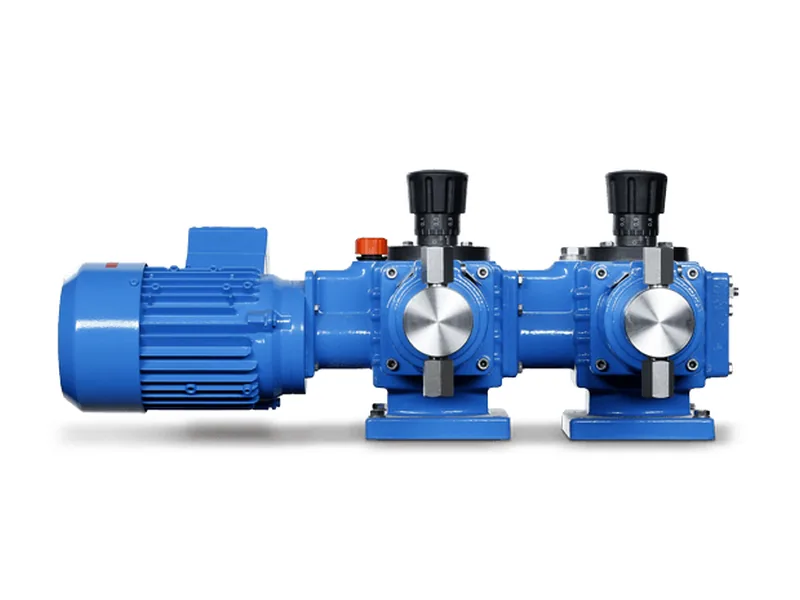
Plunger pump self priming works better than many engineers expect. The plunger moves the liquid directly, there is no diaphragm flex, and the dead volume in the pump head is small. Once the head and suction line are full of liquid, a plunger metering pump can usually lift chemical from a tank below the pump. The limit is real, though. Viscous, hot or volatile liquids cut the usable suction lift sharply. The safest design is still a flooded suction, with the tank level above the pump inlet.
Self priming here means the pump creates enough vacuum in the suction line to pull liquid up into the chamber. A dry pump head is full of air, and air compresses. The plunger just squeezes and expands it, and the discharge check valve may never open. That is why almost every plunger pump manual asks you to prime before the first start. This guide is for design engineers and commissioning technicians deciding when suction lift is acceptable and when it is not.
Is Plunger Pump Self Priming Reliable?
It depends on whether the pump head is wet or dry.
With a wet head, plunger pump self priming is strong. Each suction stroke frees a fixed volume that liquid has to fill, and tight valve seats hold the vacuum. A tank set some distance below the pump works fine in this state.
With a dry head and an empty suction line, performance drops a lot. The pump runs, the motor turns, and nothing comes out. Prime it first.
What Limits Suction Lift
Static lift and line losses
Higher lift, longer pipe, smaller bore and extra elbows all lower the pressure inside the chamber. When it approaches the vapor pressure of the liquid, the liquid flashes and cavitation starts. Keep the suction line at least the size of the pump inlet, as short as possible, with few bends.
Fluid properties and NPSH
Viscous liquids flow into the chamber slowly and cannot keep up at high stroke rates, so the pump under-delivers. Hot or volatile liquids have a high vapor pressure and less available NPSH (net positive suction head, the margin above vapor pressure at the inlet). Dense liquids need more vacuum for the same height. Cold weather thickens many chemicals, and a system that primed easily in summer may struggle in winter. Plenty of sites miss this.
Stroke rate
Higher stroke frequency leaves less time for liquid to enter. For viscous fluids or larger lifts, choose a bigger plunger at a lower stroke rate rather than a small plunger running fast.
Valve sealing
Worn or fouled valve balls let liquid slip back from the discharge side during the suction stroke, and the vacuum never builds. When plunger pump self priming suddenly gets worse, open the valves first.
How to Prime a Dry Plunger Pump
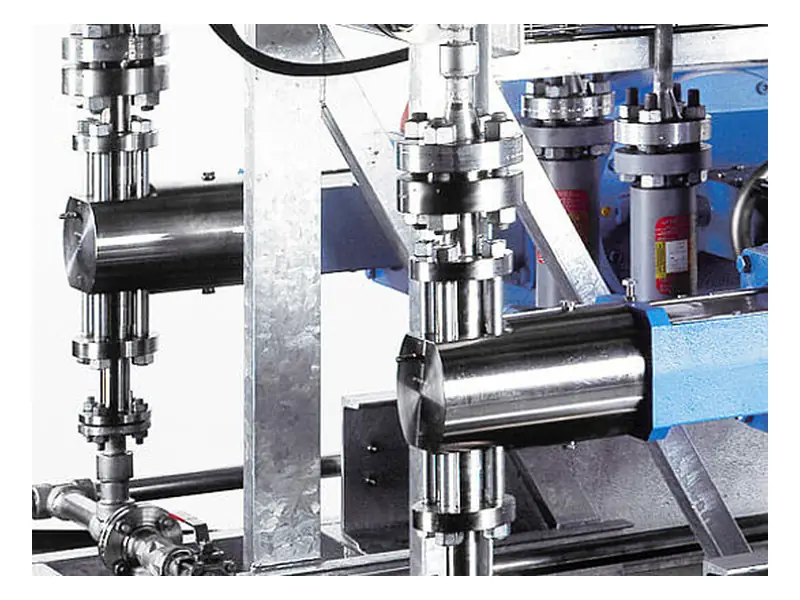
Figure 1: LEWA 力华 ecoflow pump heads with pressure gauges. Image source: LEWA 力华 official website
- Open the discharge valve and make sure the discharge line is clear.
- Open the vent or loosen the fitting above the discharge check valve and fill the head with the same chemical until it overflows.
- Fill the suction line too, or raise the tank level so liquid flows in by gravity.
- Set full stroke, jog at low speed, and wait for steady flow and a regular gauge swing before setting the working stroke.
Wear a face shield and gloves when priming with acids or caustic. More detail is in our guide to priming a metering pump at first start.
A Quick Field Test for Plunger Pump Self Priming
Before you blame the pump, run a simple test. Fill the head, close the suction isolation valve and run a few strokes while watching a vacuum gauge on the suction side. A vacuum that builds and holds means the valves seal and the pump is fine; the problem is in the suction line or the tank. A vacuum that bleeds away points to the valve seats or a leaking joint near the pump. This takes ten minutes and saves a lot of guesswork when plunger pump self priming is in question.
When to Design for Flooded Suction
Volatile, hot or viscous chemicals, high flow rates and high stroke rates all point to a flooded suction. So do continuous duties where a loss of prime is not acceptable. If you fit a suction strainer, size it generously and clean it on a schedule.
LEWA lists suction capability as one of the features of its ecoflow range, but the achievable lift is still calculated case by case from fluid data and piping. One number does not fit every installation, and plunger pump self priming should never be assumed from a brochure alone.
Troubleshooting a Plunger Pump That Will Not Prime
Check, in this order: tank level and foot valve; air leaks on the suction line, which show up as bubbles under soapy water at joints; a blocked strainer; worn, reversed or stuck valve balls; and a stroke rate that is too high. If the pump primes but delivers nothing at the discharge, that is a different fault, covered in plunger metering pump no output.
Conclusion
Plunger pump self priming is better than a solenoid diaphragm pump, and a wet pump head can lift liquid from below. Suction lift still depends heavily on viscosity, temperature, vapor pressure and the suction piping, and a dry head always needs priming. For volatile, viscous, high-flow or no-interruption duties, design a flooded suction. Compare options on our plunger metering pump page and the LEWA product range, or contact our engineers to check your suction conditions.
FAQ
How high can a plunger metering pump lift?
There is no single number. It depends on the fluid, the piping and the stroke rate. Use the figure the manufacturer calculates for your duty and keep a margin.
Is plunger pump self priming better than a diaphragm pump?
Generally better than a solenoid diaphragm pump and similar to a hydraulic diaphragm pump. Both still need priming from dry.
Does plunger pump self priming need repeating after every stop?
Not if the foot valve and pump valves seal well. Losing prime soon after stopping points to a leaking foot valve or an air leak in the suction line.
Why does plunger pump self priming fail in winter?
The chemical probably thickened. Insulate and heat-trace the tank and suction line, or reduce the stroke rate.
Can I use a hose on the suction side?
Yes, if it is reinforced against collapse under vacuum and compatible with the chemical.