
Plunger Pump Gas Lock: Entrained Gas, Cavitation and Fixes
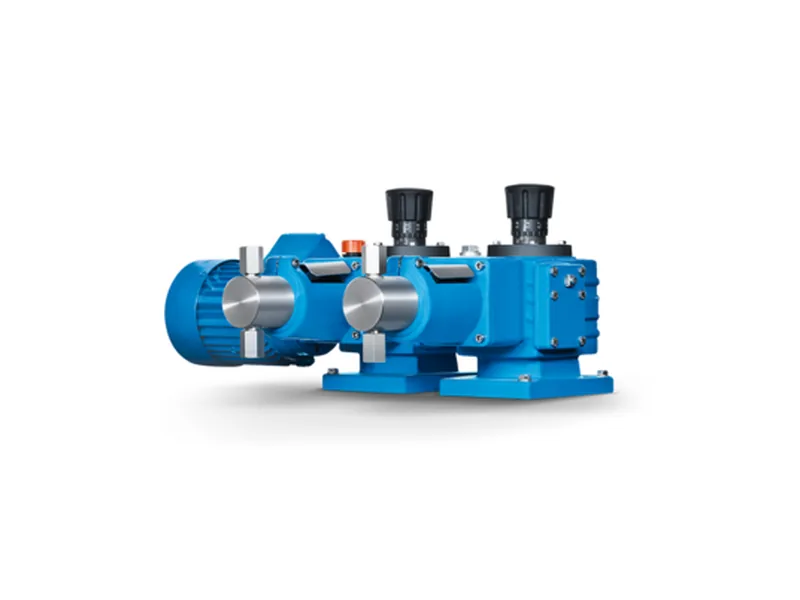
Plunger pump gas lock is what happens when a metering pump chamber holds so much gas that the plunger only compresses and expands it, and the discharge valve never opens. The short answer to "can a plunger pump handle gassy liquid?" is: a little dissolved gas is fine, visible bubbles ruin accuracy, and enough gas stops delivery completely. A plunger pump meters by swept volume, which assumes the chamber is full of incompressible liquid. Each bubble has to be squeezed up to discharge pressure before any liquid leaves.
This article is for process and operations engineers dealing with chemicals that carry or release gas. It covers where the gas comes from, how to tell plunger pump gas lock from cavitation, and how to fix the system rather than fight the symptom. Priming and suction lift are covered in a separate guide.
Can a Plunger Metering Pump Handle Gas and Liquid?
Do not treat a plunger metering pump as a multiphase pump. It tolerates small amounts of dissolved gas and the residual air you vent at startup. Liquids that continuously carry free gas are a different story: sodium hypochlorite that decomposes and releases oxygen, hydrogen peroxide, foaming polymer solutions, or liquid that flashes after leaving a pressurized vessel. Pump those directly and the flow will be low and unstable, and sooner or later you will see plunger pump gas lock.
The cure is to separate the gas before the pump, or to use a pump head with venting, combined with sensible piping.
Where Entrained Gas Comes From
The chemical releases gas
Sodium hypochlorite breaks down with heat, light and metal ions. Hydrogen peroxide behaves similarly. In a slow suction line the bubbles collect at high points and in the pump head.
Air leaks on the suction side
The suction line runs under vacuum. Any loose union, flange or valve stem lets air in. It looks like gassy chemical but it is a piping fault. Soapy water or a clear pipe section makes the leak obvious.
Cavitation and vapor lock
With a high lift, a long thin suction line or warm liquid, chamber pressure during the suction stroke can fall below the vapor pressure. The liquid boils into vapor bubbles; this is cavitation. When the vapor fills the chamber and blocks flow, people call it vapor lock. Collapsing bubbles hammer the valve balls and seats and sound like gravel in the pump head.
Low tank level or aggressive mixing
A nearly empty tank pulls air through a vortex. A fast mixer or a suction pipe close to the impeller draws foam into the line.
Plunger Pump Gas Lock vs Cavitation on Site
With plunger pump gas lock, the pump runs but the stroke sounds light and hollow, the discharge gauge barely moves, and flow stops or comes and goes. Opening the vent valve releases gas, and delivery returns once it is clear.
With cavitation, you hear crackling in the head, the gauge needle jumps, flow is well below calibration, and after a while the valve balls show pitting. Lowering the stroke rate or raising the tank level reduces the noise.
Why Plunger Pump Gas Lock Hurts Accuracy Before It Stops Flow
Most sites only notice plunger pump gas lock when delivery stops, but the damage to dosing accuracy starts much earlier. A bubble that takes up a small part of the chamber still has to be compressed before the discharge valve opens, so every stroke delivers a little less than the calibration says. The controller sees a low residual and asks for more stroke, which pulls in more gas. Checking delivered flow with a calibration column every few weeks catches this drift long before the pump stops.
How to Fix It
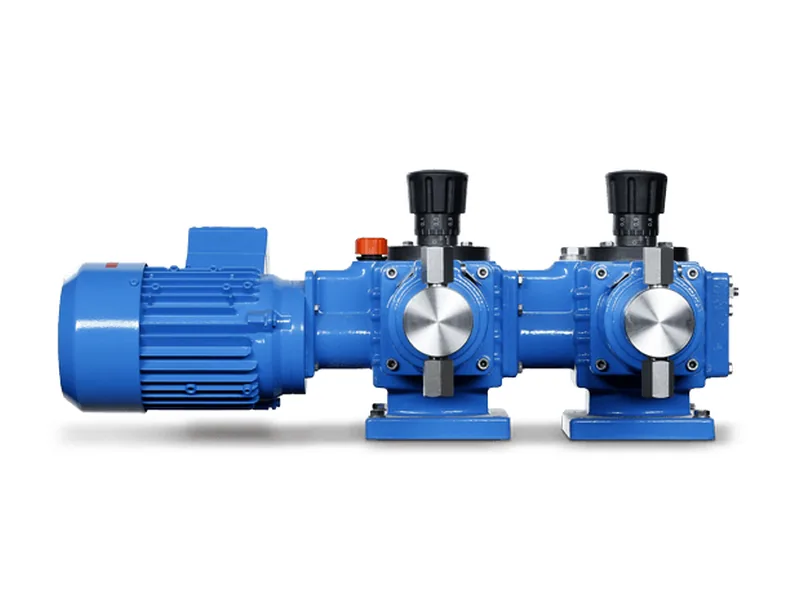
Figure 1: LEWA 力华 ecoflow packed plunger pump cutaway. Image source: LEWA 力华 official website
- Suction piping: shorter, larger, fewer bends, and no high points where gas can collect. Slope the line toward the pump or the tank.
- Flooded suction: raise the tank above the pump to keep suction pressure up.
- Degassing upstream: for chemicals that release gas, fit a degassing vessel or vent valve ahead of the pump.
- Venting at the head: choose a pump head with a vent valve or automatic venting, and vent on a routine.
- Lower stroke rate: a larger plunger at lower speed gives liquid more time to fill the chamber.
- Tank management: low-level alarm, suction away from the mixer, anti-vortex plate.
For practical venting steps, see how to fix air in a dosing line. Route vent lines back to the tank, and wear a face shield and gloves around hypochlorite or acids.
Plan for Gas at the Selection Stage
If the chemical is known to release gas, tell the supplier when you request a quote. Valve type, plunger size, stroke rate and venting can then be chosen together. Industrial ranges such as the LEWA ecoflow packed plunger pump are configured around fluid properties, and it costs far less to design for gas than to re-pipe after start-up. If low output is the main complaint, also review plunger metering pump low output causes.
Conclusion
Plunger pump gas lock and cavitation both come from gas in the chamber: gas released by the chemical, air drawn through leaks, or vapor formed at low suction pressure. Find the source first, then apply flooded suction, degassing, venting, lower stroke rates and clean piping. A plunger pump gas lock that keeps coming back is a system design issue, not a pump defect. Compare options on our plunger metering pump page and the LEWA range, or contact our engineers with your fluid and piping details.
FAQ
Can a plunger metering pump move a gas-liquid mixture?
Not reliably. Small amounts of dissolved gas are fine, but free bubbles must be removed upstream or accuracy suffers.
How do I clear a plunger pump gas lock quickly?
Stop the pump, open the vent valve until liquid appears, confirm there is liquid on the suction side, then restart at a low stroke rate.
Is a plunger pump suitable for sodium hypochlorite?
Use caution. Hypochlorite releases gas, so venting and correct materials are essential. Many sites choose a diaphragm pump with a venting head instead.
Can cavitation damage the pump?
Yes. Long-term cavitation pits the valve balls and seats, sealing gets worse and flow keeps falling.
Will a longer stroke cure plunger pump gas lock?
Only a little. The gas is still there, so a longer stroke mostly compresses more gas.