
Milton Roy Metering Pump Repair: Liquid End, Valves and Drive
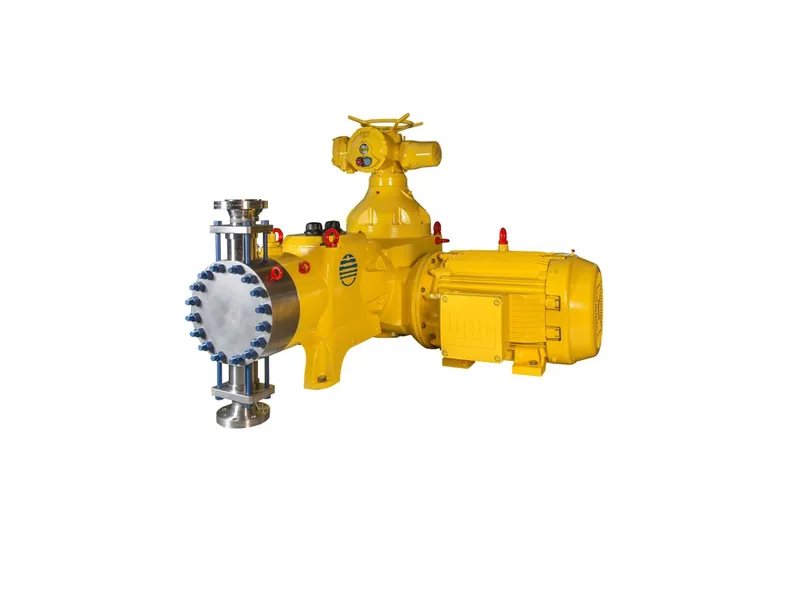
Milton Roy metering pump repair goes smoothly once you know three quirks: the refill and relief valves must be reset after any corrective work, contour plates have a top side, and the drive needs special tools. This guide covers the order of work and the details that trip people up, using the Milroyal manuals as the main reference.
It is not a troubleshooting article. If you are still working out what failed, start with our Milton Roy pump fault causes and come back once you know which part to open.
Before you start any Milton Roy metering pump repair
Three steps come before any wrench touches the pump.
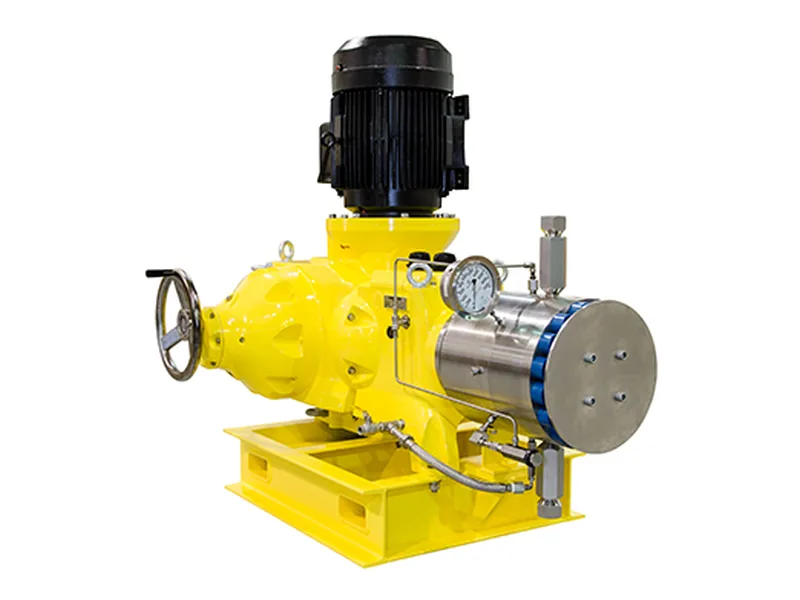
Figure 1: Milton Roy Primeroyal X metallic diaphragm liquid end. Image source: Milton Roy official website
- Depressurize the lines. The manual asks for suction and discharge to be depressurized before service to reduce the risk of chemical contact.
- Flush the liquid end. Clear process fluid with water or a compatible flush, and wear the right protection for hazardous chemicals.
- Record the nameplate. It shows product code, serial number, rated capacity and rated pressure. Parts orders and factory questions need the full model and serial number.
Lock out the motor too, and keep hands away from the reciprocating plunger and crosshead.
Check valves: clean before you dismantle
In most Milton Roy metering pump repair jobs the check valves come first. Milton Roy designs its check valve assemblies to be self-cleaning, so they seldom need service. When balls stick from scale or debris, the manual suggests pumping a hot detergent solution for about 15 minutes, then flushing with water. That often fixes it without opening anything.
If you do need to take them apart, the material matters:
- Metallic cartridges are serviced per the drive manual. Look for seat damage and ball deformation.
- Plastic cartridges are more fragile. Turn them into a plastic liquid end by hand, not with a wrench, and seal threads with pipe dope rather than tape.
Seats, balls and O-rings are the most common wear parts in Milton Roy metering pump repair. If one is worn, replace the set.
Diaphragm and contour plates
For a Milton Roy metering pump repair on a disc diaphragm liquid end, the manual lays out a clear sequence:
- Flush the process liquid and disconnect suction and discharge piping.
- Remove the diaphragm head bolts and lift the head off the displacement chamber. One or both contour plates may come away with it.
- As you remove the plates and diaphragm, note the top side of each plate. It is usually marked by closer hole spacing or a stamped arrow.
To reassemble, seat the oil-side contour plate in the same orientation, set the process-side plate into the head rabbet, lay the new diaphragm over it and bolt the head on. A thin, flat strip of metal such as a knife blade can hold the parts in place until the bolts start. Tighten evenly, test for leaks and then return to service.
Plastic diaphragm heads have the process-side contour plate built into the head plus a back-up plate, so do not overtighten them. A general walkthrough is in diaphragm replacement steps.
Refill and relief valves: reset after repair
This is the step most often skipped in Milton Roy metering pump repair. The manual says both valves must be adjusted to operating conditions after first installation and after any corrective maintenance.
Refill valve. Run at normal suction pressure, discharge pressure and capacity. For example, a 20 gph pump that will run at 12 gph should be set at 60% stroke. Adjust until the stem nut moves only slightly on each stroke, just enough to replace oil lost past the plunger and through the air bleed.
Relief valve. It is factory set slightly above maximum operating pressure, and the manual says not to set it any higher. To reset, fit a pressure gauge and a shut-off valve at the discharge, set stroke to 30%, close the valve and watch the gauge. Open the valve quickly if pressure goes past your target, and adjust until the peak reading matches the setting you want.
Air in the hydraulic system causes low output after a Milton Roy metering pump repair. Stop at the end of the suction stroke, remove the air bleed valve, let the air escape, top up with hydraulic oil and refit it.
Drive service and special tools
In a Milton Roy metering pump repair plan, drive work is typically rare compared with liquid end work. Routine service on the Milroyal C is an oil level check monthly, plus a gear oil change and magnetic filter cleaning every 6 months or 2500 hours, whichever comes first. The motor is usually lubricated once a year.
When the crosshead or gear housing has to come out:
- Disconnect power, drain the oil and remove the liquid end from the drive.
- Before removing the crosshead, set stroke to 20% and rotate the worm until the crank is horizontal.
- Use the special tool kit listed in the manual for the gear housing. Improvising risks damaged bearings and threads.
Follow the manual for shims, torque and thread-locker cure times. On high-pressure models such as the Primeroyal X, rated up to 1029 bar with a diaphragm liquid end, a Milton Roy metering pump repair on the drive is generally best left to the factory or an authorized service center.
Factory returns
When a Milton Roy metering pump repair is beyond site capability, send it back. Milton Roy will not accept a pump for repair without a Return Material Authorization (RMA). Flush the liquid end, label the unit with the liquid it pumped and include a Safety Data Sheet. That protects the repair staff and helps the factory diagnose the problem faster.
Conclusion
A sound Milton Roy metering pump repair comes down to a short list: depressurize, flush and record the nameplate; clean check valves before opening them and hand-tighten plastic parts; respect contour plate orientation; and reset the refill and relief valves under real operating conditions after every repair. Drive work is mostly oil changes, with special tools for anything deeper. For more detail see hydraulic diaphragm pump disassembly, the Primeroyal X page and our Milton Roy brand page. If you are unsure about a Milton Roy metering pump repair, contact us.
FAQ
Which wear parts should I stock for Milton Roy metering pump repair?
Diaphragms, check valve seats, balls, O-rings and crosshead oil seals are typical. Spare refill, relief and air bleed valve assemblies also cut downtime.
Output is too high after a diaphragm change. Why?
Low discharge pressure or a wrong refill setting is the usual cause. Confirm back pressure first, then reset the refill valve at operating conditions.
Can I raise the relief setting to stop it lifting?
No. The setting should stay slightly above maximum operating pressure. Frequent lifting points to a blocked line or a back pressure valve problem.
A plastic check valve leaks. Should I tighten it harder?
Do not use a wrench on plastic parts. Check the O-ring and sealing faces, use pipe dope on threads and hand-tighten.
What do I need for a factory return?
An RMA number comes first. Then flush the head, label the liquid pumped, include the Safety Data Sheet and quote the model and serial number.