
Metering Pump Vibration: Check the Base and the Pipe First
Metering pump vibration loosens anchor bolts, weeps at discharge fittings and makes nearby instruments bounce. The first reaction is often a new rubber pad, or a second pulsation damper. Those can help, but they are not always the root. Start by asking whether metering pump vibration is coming from the pump and the base, or from the pipe, and only then pick a fix. This note is for technicians who install and service chemical feed pumps.
Is the metering pump vibration in the pump, or in the pipe?
Put a hand on the base, the motor and the first length of discharge pipe. The feel is usually different. If the base and motor shake together, look at the anchors, the alignment and the running gear. If the pipe jumps harder than the pump, look at supports, a tight first elbow and discharge pulsation. Metering pump vibration often mixes both, but you should not blame the damper for every rattle.
A reciprocating pump always pulses at the discharge. That is the machine, not automatically a fault. It becomes a problem when the pipe slaps, supports loosen and the pressure gauge needle lashes. A failed damper has its own signs; see what a failed pulsation damper looks like. We will not repeat the working principle here.
Changing stroke or motor speed helps you sort the cause. If metering pump vibration rises sharply as you open the stroke, discharge pulsation is more likely. If the base shakes as soon as the motor starts, and the stroke barely changes the feel, check the anchors and the coupling first. On a variable-speed drive, stay off a speed where the pipe "sings." If a small speed change calms the line, you are probably looking at pipe resonance, not a broken pump.
Start with anchors, packing and alignment
When metering pump vibration comes up through the base, this order is usually the fastest:

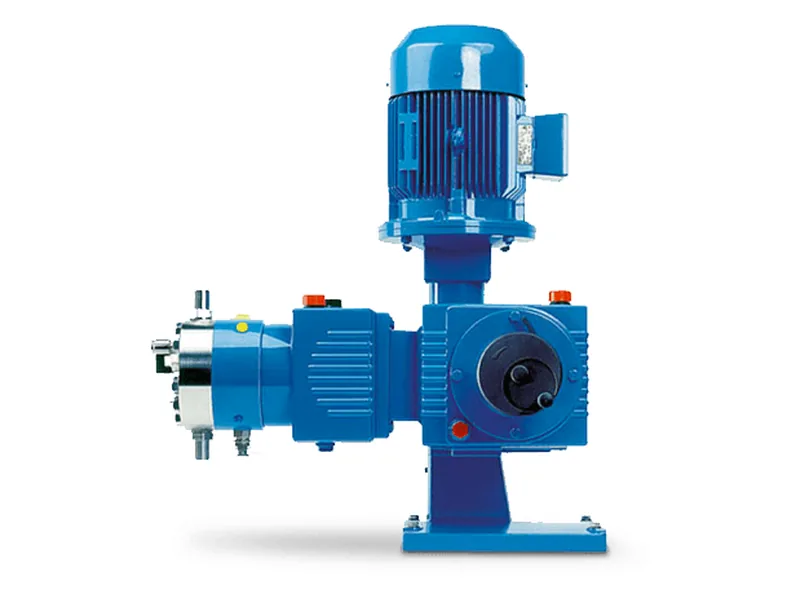
Figure 1: LEWA ecoflow hydraulic diaphragm metering pump. Image source: LEWA official website
- Check that the anchor bolts are tight, the shims are seated, and the concrete is not hollow or cracked.
- On a mechanical diaphragm or plunger pump, check coupling alignment. Do not pull a misaligned coupling straight by tightening the feet.
- Do not sit the pump on a crushed rubber sheet that is now too soft; the unit will rock.
- If the feet have slotted holes, the pipe must not drag the pump out of line after you tighten the bolts.
A flexible pad will not stiffen a weak frame. A pump on a poorly supported channel will send metering pump vibration a long way down the steel.
LEWA ecoflow hydraulic diaphragm pumps run relatively smoothly, but they still shake if the base is hollow. They are often chosen where a steady running feel matters, so the foundation and the anchors have to be right the first time. Do not expect the pump to absorb a poor install.
Then look at the pipe: supports, flex connectors and elbows
A jumping line is not always the pump's fault. An elbow too close to the discharge, wide support spacing, or using the pump as a pipe support will amplify metering pump vibration. If the suction pipe hangs from the suction port, the whole suction run sways and the foot valve seal suffers.
The usual corrections are simple. Leave a short spool or a union at the pump discharge before the first elbow. Support the pipe so the pump flanges do not carry the pipe weight. A short chemical-resistant hose or metal flex at the pump nozzle helps, but both ends of that flex still need anchors so the hose itself does not whip. Pipe clamps must land on the structure, not only on the tube. If discharge pulsation is obvious, check pre-charge and damper location; details are in how a pulsation damper works.
Sudden metering pump vibration during a normal run
If the unit used to be quiet and then started to shake, look first at fasteners and internal damage: loose anchors, a failed coupling insert, a broken valve ball, or a ruptured diaphragm that makes the head or the hydraulic end noisy. On a packed plunger pump, also check for over-tight packing. Do not only snug the pipe clamps.
Stop the pump and bar the shaft by hand, listening for a rub. Do not open the valve housings under pressure. Once you know what you are looking at, note the flow, pressure and chemical and contact our engineers if the pump type or speed was a poor match. You can also review the mechanical diaphragm pump range and dosing accessories to see whether the base or the discharge kit is incomplete.
Conclusion
Treat metering pump vibration as a pump problem or a pipe problem first, then work through anchors, alignment, supports, flex connectors and discharge pulsation. Do not start by swapping pads. The foundation must be solid, the pipe must not hang on the nozzles, and the damper only deals with pulsation. A sudden shake deserves a check for looseness and internal damage. Describe the feel clearly, and the fix comes faster.
FAQ
I added pads, but the metering pump vibration is still bad. What next?
Pads reduce what the pump sends into the foundation. They do not stop a pipe from slapping or an anchor from loosening. Decide whether the shake is in the base or the line, then tighten, support, or inspect the damper. A pad that is too soft can make the pump rock more, not less.
Will a pulsation damper stop the shake?
Not always. A damper only eases discharge pulsation. Poor alignment, a hollow base or a pipe hung on the pump will still shake after you fit one. Fit the damper when the process needs it, but do not use it as a substitute for mechanical installation.
Does a solenoid pump need the same checks?
Solenoid units are small, so foot problems are less common. A loose wall bracket and a long, unsecured discharge hose are more typical. The idea is the same: fix the pump, then the pipe, then pulsation, if metering pump vibration continues.
Why is the shake worse at night than in the day?
Sometimes night-time system pressure changes the back-pressure and the pulsation becomes clearer. Sometimes the anchors were already loose, and the plant is simply quieter after dark. Check the gauge and the feet together; do not only blame the pump.
Can metering pump vibration throw the flow accuracy off?
Yes. When the pipe jumps hard, valve balls do not seat cleanly and the flow wanders. Calm the metering pump vibration first, then calibrate, or the calibration will not last.