
Metering Pump Storage: Long-Term Shutdown and Recommissioning
Good metering pump storage comes down to five steps: flush and drain the pump head, keep chemical from drying on the diaphragm and valves, keep gearbox and hydraulic oil clean and topped up, protect the motor and controller from damp, and check everything before restarting and priming. This article covers preserving the pump itself, whether it is a solenoid, mechanical diaphragm or hydraulic diaphragm unit. It is written for seasonal plants, water works with long maintenance outages and sites that carry several standby pumps. Flushing the dosing pipework is a separate job and only gets a passing mention here.
Why metering pump storage needs a plan
While a pump is running, chemical in the head keeps moving and causes little trouble. Once it stops, the liquid sits in the head and valve cavities. Hypochlorite and PAC crystallize, lime slurry settles, and some organic products thicken. Months later the balls are stuck to their seats, the diaphragm is stuck to the head, and a hard start can tear it.
The environment causes the rest. In a humid pump room with big day-night swings, the gearbox breather draws in moist air and the oil emulsifies; damp motor windings and control boards trip on start. Many pumps that "died over the winter" were simply stopped with no preparation.
Metering pump storage step one: flush and drain the head
Before closing the isolation valves, switch the suction to clean water and run the pump long enough to displace chemical from the head, the valves and the line up to the discharge isolation valve. If the chemical reacts with water, concentrated sulfuric acid for example, use the flushing medium the chemical supplier recommends instead of water.
Then drain the head. In cold climates, water left in the head can freeze and crack it. Before removing a head or valve, stop and isolate the pump, close suction and discharge valves, relieve line pressure and wear goggles and gloves, since some chemical may remain.
Metering pump storage step two: diaphragm and valves
A diaphragm stored at mid-stroke is under the most even load, and some pumps allow you to set stroke length to zero before stopping; follow the manual. Inspect the cleaned balls and seats and replace any that are scratched or crusted while the pump is down. Hardened O-rings and seals should be changed now too, which is easier than stopping again for a leak after restart.
For very long metering pump storage periods, some users remove the valve assemblies, clean and dry them, bag them separately and blank off the head ports against dust and insects.
Gearbox and hydraulic oil during metering pump storage
Mechanical and hydraulic diaphragm pumps both have a gearbox, and hydraulic pumps add a hydraulic chamber. Before a long shutdown:
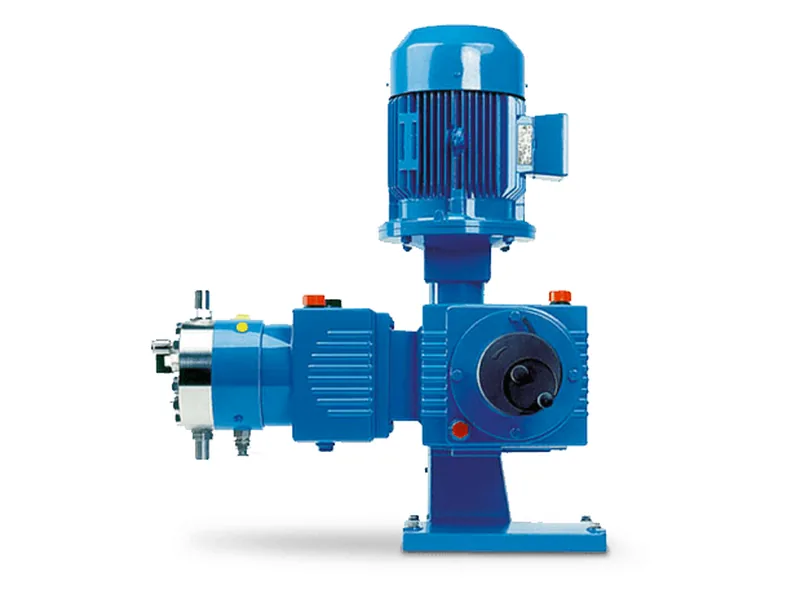
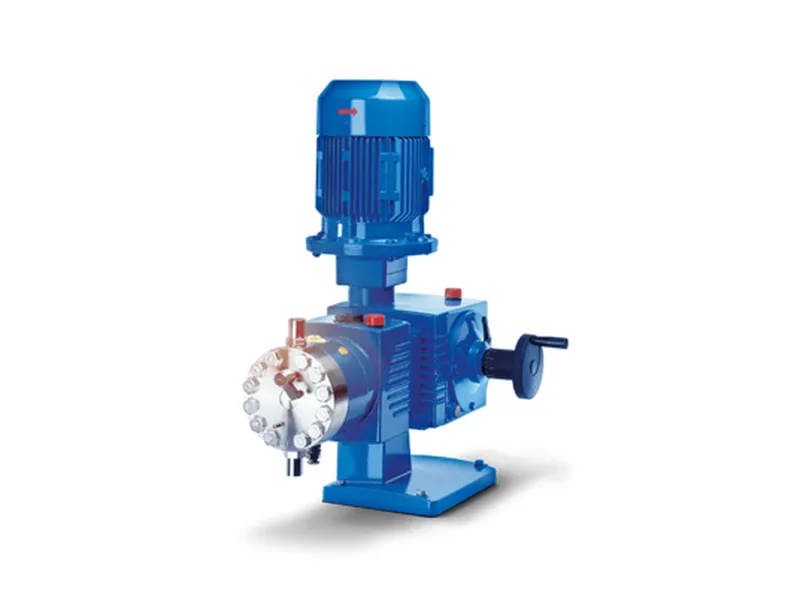
Figure 1: LEWA ecoflow hydraulic diaphragm metering pump. Image source: LEWA official website
- Check oil level and color. If the oil is dark, milky or close to its change interval, change it before storage; water and dirt only get worse with time.
- Keep the breather open but protected from dust; in damp rooms a breather cover helps.
- Keep the hydraulic chamber of a hydraulic diaphragm pump full. Draining it lets in air and moisture and means bleeding it again later.
For oil grades and filling, see hydraulic diaphragm pump oil. Take a LEWA ecoflow hydraulic diaphragm metering pump as an example: it has an adjustable pressure relief valve in the hydraulic section and a PTFE sandwich diaphragm, so confirming oil condition and diaphragm health before storage makes the restart far less of a gamble.
Keeping motor and controls dry
Electrics are the part of metering pump storage most often forgotten. Isolate the main supply and put desiccant in the control panel or switch on the panel heater. Do not wrap a solenoid pump's controller tightly in a plastic bag, because condensation forms inside; a breathable dust cover works better. After a layup longer than a season, megger the motor before restart. For outdoor or semi-exposed pumps, winterizing your dosing system covers frost protection.
Metering pump recommissioning checklist
After long-term metering pump storage, restart in this order:
- Visual check: pump head bolts tight, no corrosion, no oil leak traces.
- Oil: correct level and color; bleed hydraulic pumps per the manual.
- Turn the motor by hand where possible to confirm nothing is seized.
- Check insulation, wiring, supply voltage and interlock signals.
- Run on clean water at short stroke, confirm suction and discharge are normal and quiet, then switch to chemical and step up to working stroke.
Our metering pump startup procedure gives more detail, and it is worth logging what you found at restart so the next metering pump storage cycle starts from real data. Never run a hydraulic diaphragm pump against a closed suction valve; it damages both the hydraulic chamber and the diaphragm.
Conclusion
Metering pump storage rests on three ideas: no chemical left inside, no shortage of clean oil, no damp. Flush and drain the head, protect diaphragm and valves, keep gearbox and hydraulic oil clean and full, keep electrics dry, and recommission step by step on clean water first. If you need spares or want to confirm the storage method for a specific pump, send us the model, chemical and planned downtime, and contact our engineers.
FAQ
Does a one-month stop need the full metering pump storage routine?
Usually not. For a month or less, flush the head and keep electrics dry. For a season or longer, add the oil and diaphragm checks.
Should I run the pump occasionally during storage?
If you can, run it briefly on clean water at short stroke from time to time. It keeps seals from sticking and shows problems early.
Can I drain the hydraulic oil for metering pump storage?
Better not. An empty chamber takes in air and moisture and must be bled again. Store it full.
Does a standby pump that stays piped in count as stored?
Yes. Chemical sits in its head just the same. Rotate duty with the main pump regularly, or treat it with the same metering pump storage steps.
The pump will not deliver after a long stop. What now?
Check for stuck valve balls and air in the head, and bleed it. If it still will not deliver, remove and clean the valves rather than letting it run dry.