
DPD Chlorine Test Procedure: Colour Time and Interferences
Water-works labs, secondary pumping stations and pool duty rooms still rely on a DPD chlorine test for free or total residual chlorine. A powder pillow or a liquid reagent turns the sample pink, and a photometer or a colour disc gives the number. The steps are short, but a wrong development time, a pH outside the reagent range, or a damp reagent will push the result high or low, and the online analyzer will then disagree. This note is for lab and shift technicians. It covers sampling, colour development and the usual interferences. Checks on an unreliable online meter are in chlorine analyzer inaccurate. The difference between free and total chlorine is in free chlorine vs total chlorine.
How to run a DPD chlorine test step by step
Use a clean, light-protected vial or the cell specified by the maker. Rinse it two or three times with the sample before you fill it to the mark. Do not sample stagnant water at the very front of a freshly chlorinated tap, and do not leave a free-chlorine sample sitting for a long time before the test; residual decays. Very hot or very cold water can change the colour. Keep the sample near the temperature in the reagent note, usually around room temperature.
Add the DPD reagent and mix at once, then read at the specified time. In a free-chlorine DPD chlorine test the colour usually develops quickly. If you wait too long, some combined chlorine may also show, and the result goes high. A total-chlorine test needs the iodide step and the full wait in the manual. Do not mix the two procedures in one run. The photometer used for a DPD chlorine test should be checked on a schedule with a standard or a cal cube. Zero it on chlorine-free water or a reagent blank, not on random tap water.
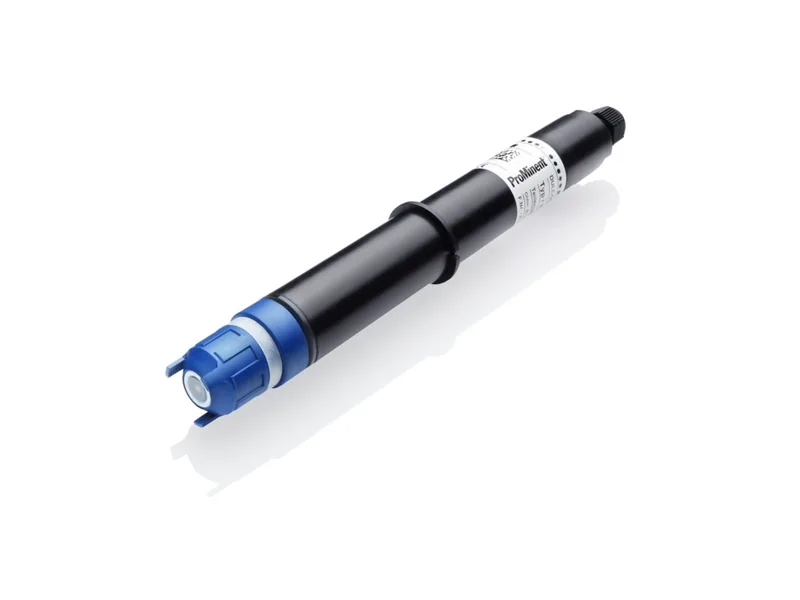
ProMinent DULCOTEST chlorine or bromine sensors are online instruments, not a laboratory DPD chlorine test, but plants often compare the two. Confirm the lab method first. Otherwise the online meter is adjusted to a faulty reference.
What pushes a DPD chlorine test high or low
If sample pH is outside the reagent window, colour may be incomplete or off-hue, and the reading is not reliable. Adjust pH first if the manual says so. Other oxidants such as chlorine dioxide, permanganate or ozone can also develop DPD colour and look like a high residual. That is common on sites that use more than one disinfectant. High turbidity or true colour makes a visual disc harder to read; use an instrument and a blank.
Damp, expired or sun-struck reagent develops weakly, so the result goes low. Keep powder pillows sealed and dark, and respect the life after opening. Scratches, fingerprints or leftover reagent on the cell move the zero. A DPD chlorine test looks like “tip in a pillow and read a colour,” but most error sits in these details.
If the residual is very high, the colour may bleach or go off-scale. Dilute as the method says and multiply by the factor. Do not guess a colour above the range.
A checklist for a DPD chlorine test and an analyzer comparison
Lab and shift crews can use this list:
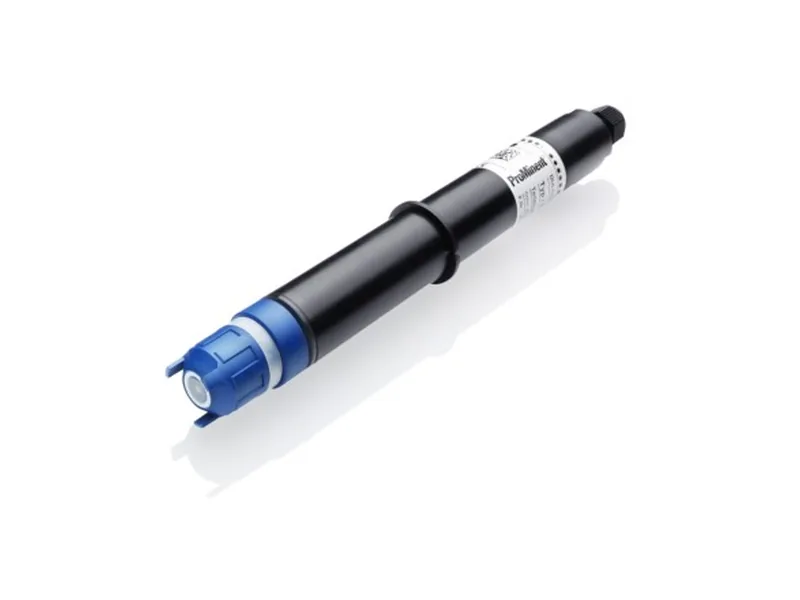
Figure 1: ProMinent DULCOTEST bromine. Image source: ProMinent official website
- Is the test for free or total chlorine, and do the reagent and the wait match that choice?
- How long sat the sample before colour, is the cell clean, and was the zero done on chlorine-free water?
- Is the reagent in date, and has it caked or changed colour?
- When you compare with the plant analyzer, are the sample point and the time close to each other?
- Is the sample obviously turbid, coloured, or carrying another oxidant?
Background on online residual is in the online residual chlorine monitoring guide. Closed-loop hypochlorite feed is in chlorine residual control with a hypochlorite pump. Sensors and instruments are listed on the ProMinent pages.
When the lab and the analyzer disagree, check the DPD chlorine test first
A laboratory DPD chlorine test and an online membrane or amperometric cell are different methods, so a modest offset is expected. If the gap suddenly grows, do not change the online setpoint first. Repeat a clean DPD chlorine test, confirm the reagent and the photometer, then look at analyzer flow, pH and the probe. Some online meters read free chlorine while the lab ran total chlorine; those two will not agree.
Write down the method, the temperature and the time so the next shift can compare. If interference is likely, note the possible oxidant on the report. Do not file a doubtful number as a compliance result.
Conclusion
A dependable DPD chlorine test depends on prompt sampling, a development time that matches free or total chlorine, sound reagents and a clean cell, plus attention to pH and other oxidants. Compare with an online meter only after the laboratory steps themselves are correct. Send the reagent type and how you currently compare the instruments, and contact us so we can review the procedure and the comparison method.
FAQ
Is a photometer better than a colour disc for a field DPD chlorine test?
A photometer usually repeats better, especially at low residual. A disc can cover an emergency check, but lighting and judgement add error. Official reports should use an instrument.
Why does the pink colour fade right after I add DPD?
The residual may be high enough to bleach the dye, or the sample sat too long. Dilute as the manual says and develop the colour promptly.
Can pool water and finished drinking water use the same DPD pillows?
Many reagents are shared, but the range and the interferences differ. Stay inside the stated use. Do not estimate a very low residual with a high-range pillow.
Can a DPD chlorine test separate combined chlorine?
Combined chlorine can be estimated as total minus free, if both tests are done properly. Do not try to “see” combined chlorine from a single colour.
Can I still use caked reagent powder?
No. Damp reagent makes a DPD chlorine test weak or inconsistent. Replace it.