
Hydraulic Diaphragm Pump Oil Contamination: Causes and Fixes
The lab reports oil in the product, or an operator sees an oily film floating in the chemical tank. If the line uses a hydraulic diaphragm metering pump, suspect the diaphragm first. In most cases, hydraulic diaphragm pump oil contamination means the diaphragm has ruptured and hydraulic oil is crossing into the process side.
This article covers how to confirm it, what to do, and how to prevent it. Other signs of diaphragm rupture are covered in hydraulic diaphragm rupture signs, so we will not repeat them here.
Where the oil comes from
In a hydraulic diaphragm pump, a plunger reciprocates in hydraulic oil. The oil moves the diaphragm, and the process liquid sits on the other side. The diaphragm is the only barrier between oil and chemical.
Once the diaphragm tears, oil is pushed into the liquid end under pressure and pumped into the line with the chemical. At the same time, chemical enters the hydraulic chamber, and the oil changes colour or emulsifies.
Before blaming the diaphragm, rule out two other sources:
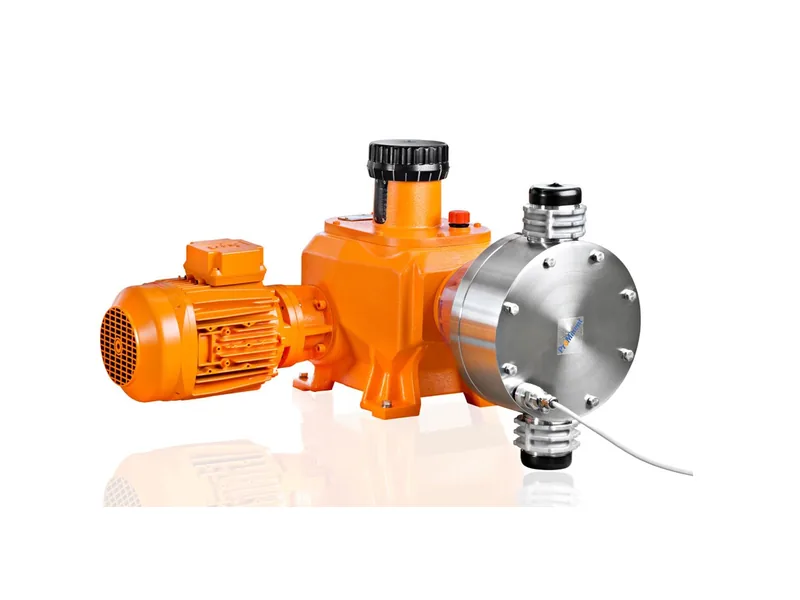
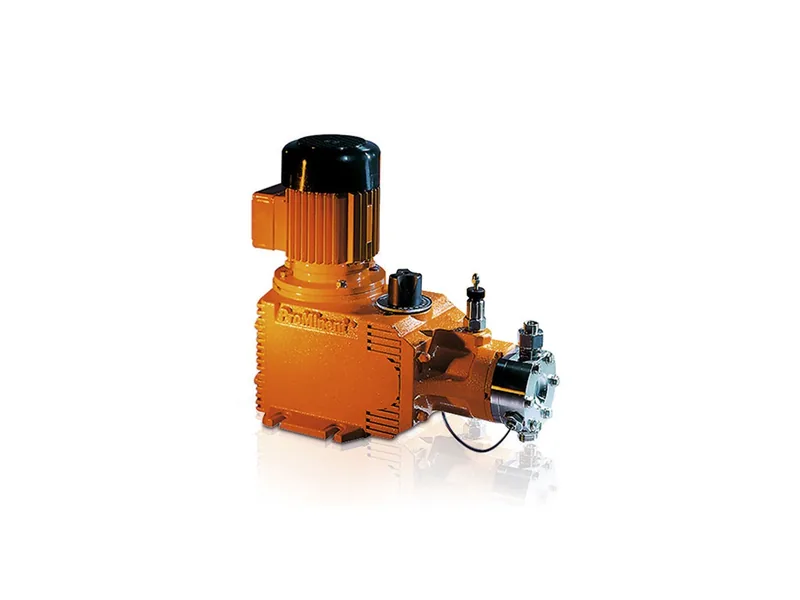
Figure 1: ProMinent Makro TZ hydraulic diaphragm metering pump. Image source: ProMinent official website
- Gearbox or motor oil leaking near the tank or suction line and being drawn in.
- Grease or oil left in new pipework and valves, common in the first weeks after start-up.
Confirming hydraulic diaphragm pump oil contamination
- Hydraulic oil: level rising or falling, milky or discoloured oil, or a chemical smell all mean process liquid has entered the oil chamber.
- Pump behaviour: falling flow, unstable discharge pressure, or a refill valve working more than usual.
- Process liquid: take a sample at the discharge, let it settle and look for an oil layer. Send it to the lab for an oil-in-water test if needed.
- Leak detection: on double diaphragm heads, check whether the leak sensor has alarmed and whether the intermediate chamber holds liquid.
Emulsified hydraulic oil plus oil in the product almost always confirms hydraulic diaphragm pump oil contamination from a ruptured diaphragm.
Immediate response
Once hydraulic diaphragm pump oil contamination is confirmed, act quickly and in this order:
- Stop the pump and switch to standby or pause dosing.
- Close suction and discharge valves to isolate the head.
- Tell production and quality so they can decide what to do with affected product or chemical.
- Take oil and liquid samples for analysis.
- Schedule a strip-down. Do not keep running a damaged pump.
The common mistake is deciding a little oil does not matter. In water treatment the impact may be small, but in food, pharmaceutical or electronic chemicals a trace of oil can scrap a whole batch.
What the failed diaphragm tells you
Keep the old diaphragm. After any case of hydraulic diaphragm pump oil contamination, the damage pattern points to the cause:
- Radial cracks at the centre: fatigue, end of life, or long running at high stroke rates.
- Cracks at the clamped edge: uneven bolt torque or a diaphragm not seated correctly.
- Blistering, hardening or discolouration: material not compatible with the chemical.
- Pinholes or scratches: particles in the liquid, or burrs on the support plate.
Fix the cause before fitting a new part, or hydraulic diaphragm pump oil contamination will come back within months.
Repair and clean-up
Replace the diaphragm
Fit a new diaphragm to the original specification, with material matched to the chemical, and tighten the head to the specified torque in the correct pattern.
Change the hydraulic oil
This step is often skipped after hydraulic diaphragm pump oil contamination, and it should not be. Chemical has entered the oil chamber, so drain all the old oil, flush with fresh oil and refill to the correct level. Topping up without draining leaves chemical inside to attack hydraulic parts.
Clean the line
Flush oil out of the discharge pipe, valves and injection point. Remove and clean check valves if needed. If the tank is contaminated, drain and clean it too. Our spare parts list helps you stock diaphragms and seals in advance.
Prevention through pump selection
Where oil in the product cannot be accepted, design out hydraulic diaphragm pump oil contamination at the selection stage:
- Use a double diaphragm head with leak detection. If one layer fails, the second holds and the sensor raises an alarm.
- Use food-grade or process-compatible hydraulic oil.
- For low-pressure duty, consider a mechanically actuated diaphragm pump with no hydraulic oil, such as the oil-free LEWA ecodos.
- Fit overpressure protection, since pressure peaks shorten diaphragm life.
- Replace diaphragms preventively at the interval in the manual rather than waiting for failure.
ProMinent hydraulic diaphragm pumps are also available with double diaphragms and leak monitoring; specify it at the enquiry stage.
Gearbox leak or diaphragm failure?
Sometimes the oil comes from an external gearbox leak instead. If hydraulic oil level and colour are normal, gearbox oil level is falling and there is oil on the outside of the pump, the problem is an external leak, not hydraulic diaphragm pump oil contamination. See dosing pump oil leak causes for that case.
Conclusion
Hydraulic diaphragm pump oil contamination is almost always caused by a ruptured diaphragm letting hydraulic oil into the process side. Emulsified oil, oil in the product and a leak detection alarm confirm it. Stop and isolate the pump, deal with affected product, then replace the diaphragm, change the hydraulic oil and flush the line. For processes that cannot tolerate oil, prevent hydraulic diaphragm pump oil contamination with double diaphragms, leak monitoring or an oil-free design.
For diagnosis or double diaphragm pump selection, contact our engineers.
FAQ
Can I keep running the pump if there is only a little oil?
No. The diaphragm has already failed and the leak will only grow. Stop and repair it.
Does emulsified hydraulic oil always mean a ruptured diaphragm?
Usually, but water ingress into the oil chamber is also possible. Inspect the diaphragm to confirm.
Must the hydraulic oil be changed with the diaphragm?
Yes. The old oil contains process liquid, so drain, flush and refill.
Does a double diaphragm head prevent hydraulic diaphragm pump oil contamination?
It greatly reduces the risk. If one layer fails, the other holds and the leak sensor alarms, so you can act before oil reaches the product.
How often should diaphragms be replaced?
At the preventive interval in the manual, and more often on aggressive chemicals or high pressure.