
Metering Pump Motor: Single-Phase or Three-Phase Supply
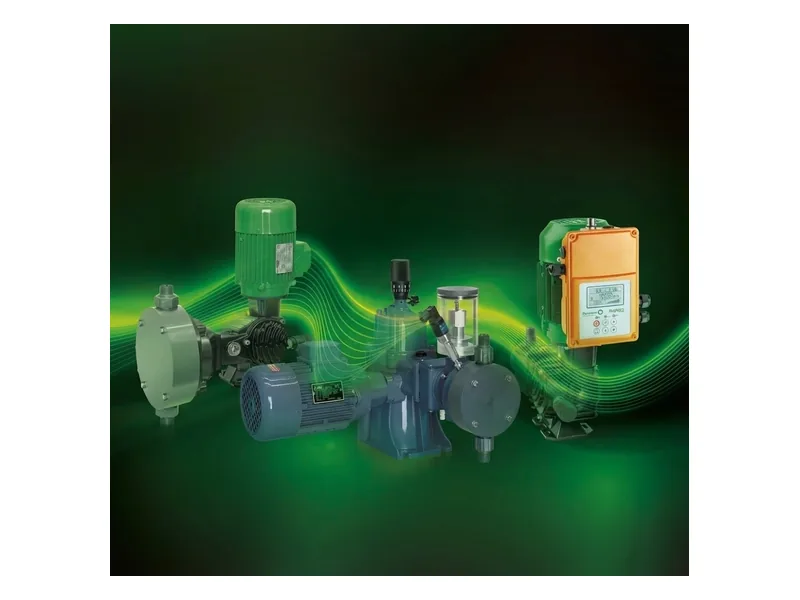
A metering pump motor should be chosen from the power that is actually available on site, not from a preference for "industrial-looking" equipment. If the dosing point has only a 220 V single-phase receptacle, the flow is modest and the pump will start and stop through the day, a single-phase metering pump motor is the practical choice. If the plant already has a 380 V three-phase board, the unit will run for long periods, the motor is on the larger side, or an explosion-proof frame is required, a three-phase metering pump motor is the safer order. This note is for the people who write the requisition and the ones who size the starter.
When a single-phase metering pump motor is enough
A single-phase metering pump motor is common on laboratory skids, small cooling loops, rural water dosing points and any shed that only has a domestic 220 V outlet. The power is usually low. One live, one neutral and a sound earth are enough to run it.
Single-phase makes sense when:
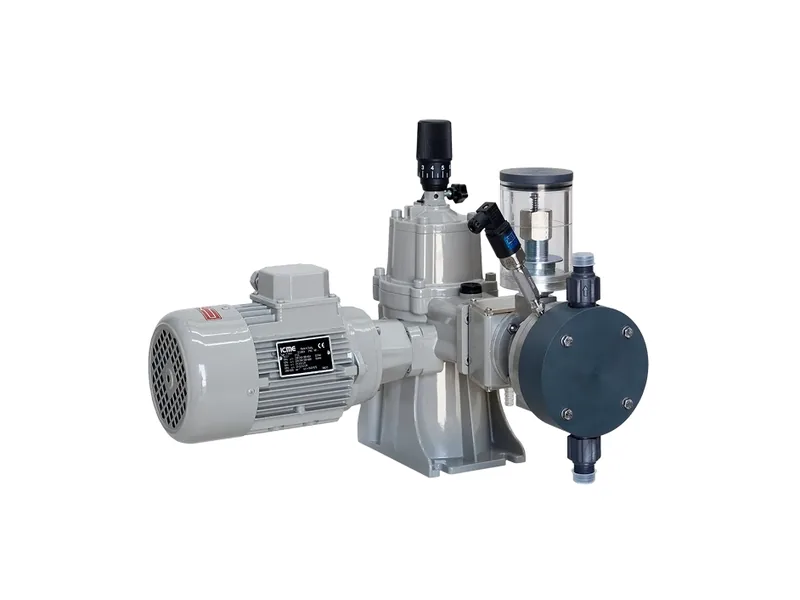
Figure 1: Doseuro positive return mechanical diaphragm pump. Image source: Doseuro official website
- There is no three-phase supply, and pulling a new three-phase cable is not realistic, or the dosing points are scattered in small rooms.
- The duty is intermittent, a few hours a day, so the start-up current and the capacitor duty are acceptable.
- The pump was built with a small single-phase metering pump motor as standard. There is no need to force a three-phase conversion just to look more "plant-like".
The limits are real. Starting current is higher than on a three-phase machine of the same power, and a soft supply or a tired capacitor will leave the motor sluggish at start. On a long cable the voltage at the terminal box droops, the motor sounds tight and the frame runs warmer. For continuous 24-hour duty, a single-phase metering pump motor should not be the first choice.
Most solenoid-driven pumps take 220 V directly and do not use this kind of fan-cooled motor; that distinction is covered in does a solenoid metering pump have a motor. The discussion below is about a motor-driven metering pump: mechanical diaphragm, hydraulic diaphragm or plunger units with a gear motor.
When you should specify a three-phase metering pump motor
If the plant already distributes three-phase power, order a three-phase metering pump motor and be done with it. Continuous duty, higher power, higher discharge pressure or an explosion-proof frame all point the same way. A three-phase metering pump motor starts more evenly, draws less current for the same shaft power, and copes better with a long feeder.
Typical cases include chemical, wastewater and power-plant duties that dose around the clock; hazardous areas that need an explosion-proof motor; a dosing room that sits a long way from the switchboard; and duty/standby pairs whose panel was designed as a three-phase circuit. Explosion-proof motors are sold mainly as three-phase machines. Single-phase explosion-proof frames exist, but the range is narrow, and that mismatch often appears only at the drawing review.
Someone will ask whether a variable-frequency drive should be added "while you are at it". Speed control is a separate decision, with its own issues of cooling at low speed and motor matching. A drive will not repair the mistake of ordering the wrong supply type for the metering pump motor.
What goes wrong when the nameplate and the supply disagree
Read the nameplate before you energise the metering pump motor. It will show rated voltage, connection, frequency and power. Common markings are 220 V single-phase or 380 V three-phase. Some imported motors are stamped 230/400 V; the star or delta link in the terminal box must follow the maker's diagram.
A 380 V three-phase metering pump motor put on 220 V single-phase will crawl or will not start, and the winding will heat if you leave it like that. A 220 V single-phase metering pump motor put on 380 V fails faster. A quieter error is to take a single-phase motor and land it across two phases of a three-phase, four-wire board: the motor then sees line voltage and is over-volted.
Isolate the supply before you open the terminal box. Check the terminal marks and the condition of the capacitor on a single-phase unit. If rotation is wrong, a three-phase metering pump motor can be reversed by swapping any two phases. A single-phase machine cannot; you have to follow the wiring diagram for the winding or the capacitor. Rotation and check-valve behaviour are discussed in metering pump motor rotation.
How to read motor kW and why the nameplate often looks oversized is covered in dosing pump motor power. Put voltage, phase and frequency on the purchase order. On a Doseuro mechanical diaphragm unit the motor is usually selected to the site supply; do not leave that line blank.
Other checks once the phase count is fixed
Frequency must match the grid. A 50 Hz metering pump motor on a 60 Hz supply, or the other way around, will run at the wrong speed and will not cool as the designer intended. The enclosure has to suit a damp chemical room; outdoor units also need sun and rain protection. The earth must be solid, and a single-phase circuit still needs a proper neutral.
The starter must match the metering pump motor. A three-phase breaker and overload on a single-phase pump will not trip at the right current. A three-phase metering pump motor fed from a household receptacle, even "for a test", can run with a missing phase and overheat the winding in a short time. Set the overload from the nameplate current, not from the impression that "it is only a small pump".
If you already bought a single-phase metering pump motor and three-phase power later becomes available, you usually change the motor or the whole pump. Swapping the plug is not enough: the foot, coupling, gearbox interface and power must match. If the goods have not shipped, change the phase requirement with the supplier rather than rebuilding the unit on site. If the duty or the supply is still unclear, contact us with voltage, phase, frequency, flow and pressure so the metering pump motor can be checked before it is built.
Conclusion
The choice of a metering pump motor is a site-supply and duty decision, not a question of which option looks more official. No three-phase power, intermittent dosing and modest power: a single-phase metering pump motor is reasonable. Continuous duty, higher power, a long cable or an explosion-proof need: order three-phase. Write the nameplate voltage and the connection method on the order, and check them again before the first start.
FAQ
We only have 220 V. Can we still install a three-phase metering pump motor?
Not as a default. You would need a dedicated transformer or inverter, designed and protected by a competent person. Most scattered dosing points should simply use a single-phase metering pump motor.
Why does a single-phase metering pump motor trip the breaker at start?
The usual causes are a high inrush, a breaker that is too small, a weak capacitor or a low terminal voltage. Measure voltage and current at the instant of start, then check the capacitor and any mechanical tightness, before you replace the metering pump motor.
Can we use a single-phase motor in a hazardous area?
Single-phase explosion-proof motors exist, but the makers and the power range are limited. A three-phase explosion-proof metering pump motor is the usual plant choice. Confirm the area classification and the motor certificate together.
We ordered single-phase, and the room now has three-phase power. Should we change it?
Keep the single-phase metering pump motor if the power and running hours still suit it. If the unit will now run continuously or has already given trouble, evaluate a three-phase motor or a complete pump. Do not just change the plug.
The metering pump motor is marked 230/400 V. Our supply is 380 V. How do we connect it?
Follow the diagram and link the terminal box for a voltage near 380 V, usually a star connection. Do not assume that "it is three-phase, so any link will do". Check rotation and no-load current before you put the pump on load.