
Metering Pump Suction Strainer: Y Strainer Mesh, Install, Cleaning
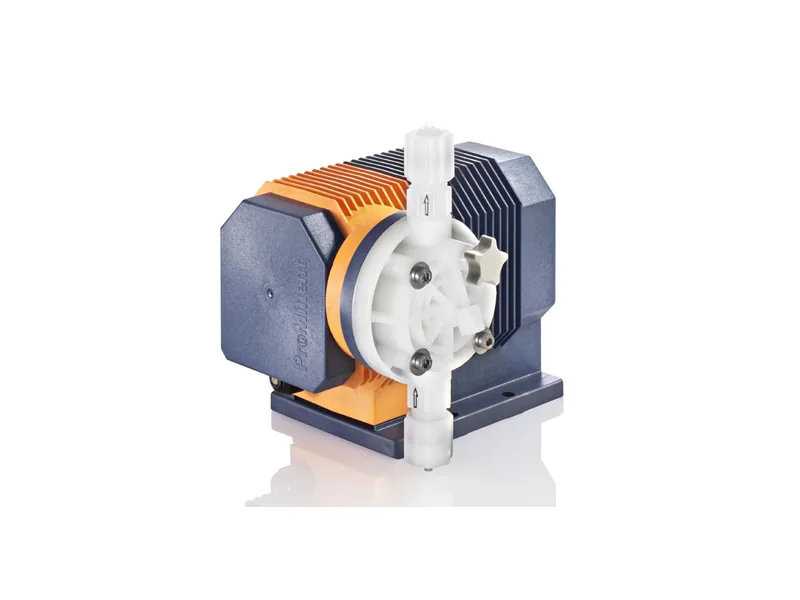
A metering pump suction strainer sits on the suction line and uses a mesh screen to stop particles, weld slag, PTFE tape fragments and crystals before they reach the pump. It is cheap and simple, yet it decides whether the check valves can seal.
A metering pump measures by opening and closing its suction and discharge check valves in turn. One grain of sand between a valve ball and seat holds the valve open, liquid slips back and forth inside the head, and output drops at once. Many "pump not dosing" calls end with a technician finding debris on a valve seat.
How a Y Type Metering Pump Suction Strainer Works
The Y strainer is named after its shape. Liquid enters the main body, passes through a cylindrical screen set in the angled leg, and leaves the debris inside the screen. A removable cap or drain plug at the end of the leg gives access for cleaning.
It is different from a foot valve. The screen on a foot valve is the first coarse barrier at the tank inlet, while a metering pump suction strainer sits in the line close to the pump and acts as the second barrier. See what a metering pump foot valve does for the split of duties. Where tanks collect sludge or the chemical arrives dirty, sites usually fit both.
When a Metering Pump Suction Strainer Is a Must
We treat the strainer as standard equipment in these cases:
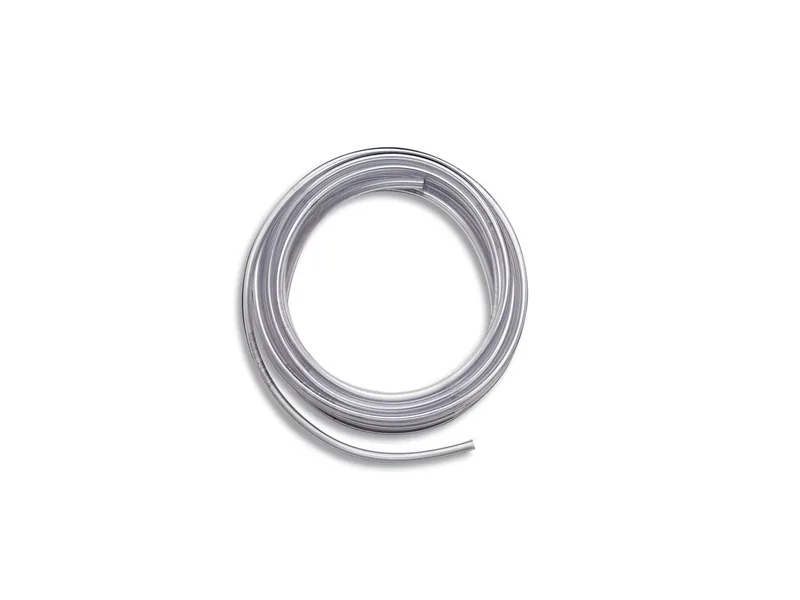
Figure 1: ProMinent suction hoses and pipe fittings. Image source: ProMinent official website
- New piping that still holds weld slag, burrs and tape fragments
- Solutions mixed on site from powder, which often carry undissolved particles
- Open tanks or tanks that are rarely cleaned
- Plunger pumps and high-pressure diaphragm pumps, where valve clearances are small
With clear liquid, closed tanks and consistent supply, a foot valve screen may be enough. Most users still fit a metering pump suction strainer, because cleaning one is far easier than opening a liquid end.
Choosing Strainer Mesh for a Metering Pump Suction Strainer
Finer is not better. A finer screen raises suction resistance and clogs sooner. When suction pressure falls too far, the liquid can flash to vapor and the pump becomes gas-bound or cavitates, so dosing gets worse instead of better.
As a rule of thumb, clean chemicals such as sodium hypochlorite and dilute acids or caustics typically work with a screen of about 40 mesh. Solutions with many fine particles can go to around 60 mesh with shorter cleaning intervals. Viscous liquids such as polymer solution need a coarser screen, around 20 mesh or coarser, to keep resistance down. The right choice depends on the valve design and the pump maker's limits; some manuals state the allowed particle size directly.
Do not size the strainer smaller than the suction pipe. A one-size-smaller body to save money can double suction resistance and starve the pump.
Installing the Metering Pump Suction Strainer
Place the metering pump suction strainer close to the pump inlet but with room for service. Key points:
- Match the arrow on the body to the flow direction; reversed flow can collapse the screen
- On horizontal pipe, point the screen leg downward so debris settles in the screen
- On vertical pipe, use it only where flow runs downward, or debris falls back into the line
- Fit isolation valves on both sides so cleaning does not mean draining the tank
Add a vacuum or compound gauge on the suction side. A reading clearly lower than normal means the screen is loading up, which is a better trigger than a fixed calendar.
Cleaning Steps and Common Mistakes
To clean a metering pump suction strainer, stop the pump, close both isolation valves, open the drain plug to release liquid and residual pressure, then remove the cap and screen. Wear goggles and chemical-resistant gloves with corrosive liquids.
Rinse the screen with clean water; soak crystallized deposits in warm water first. Replace a torn screen rather than refitting it. Check the gasket on reassembly, open the upstream valve, vent air, then open the downstream valve and restart.
The most common mistakes are a body material that does not suit the chemical, such as carbon steel on hydrochloric acid that leaks within months, and a strainer that is installed and then forgotten until the screen is blocked and the pump runs starved, wearing out diaphragm and valves. Compare materials on our dosing accessories page.
Strainer Condition and Dosing Accuracy
The metering pump suction strainer shows up directly in accuracy. As the screen loads, suction resistance rises, each stroke takes in less liquid, and flow drifts down while operators blame pump wear. When flow reads low, check the strainer first, then the check valves and diaphragm; other causes are covered in why a metering pump is inaccurate. Motor-driven diaphragm pumps such as the ProMinent alpha are much easier to maintain with a complete suction line of strainer and isolation valves; see the ProMinent brand page.
Conclusion
A metering pump suction strainer keeps the check valves clean so the pump takes in clean liquid on every stroke. Size it no smaller than the suction pipe and match its material to the chemical. Pick mesh by liquid, around 40 mesh for clear chemicals and coarser for viscous ones. Follow the flow arrow and screen orientation, fit isolation valves, and use a suction gauge to time cleaning. Send us the chemical, concentration and pipe size and contact our engineers to confirm mesh and material.
FAQ
Can a Y strainer go on the pump discharge?
It can, with a different purpose. A discharge strainer protects injection valves and nozzles; the suction one protects the pump.
How often should a metering pump suction strainer be cleaned?
There is no fixed interval. Check daily in the first week on new piping, then clean by gauge reading, typically every 1 to 4 weeks.
What are the signs of a blocked screen?
Gradually falling flow and noise from the liquid end. Bubbles may appear in clear suction tubing, and in bad cases the pump stops priming.
Can a basket strainer be used instead?
Yes. Baskets hold more debris and need cleaning less often, which suits large plunger pumps; Y strainers are more compact for small diaphragm pumps.
What happens without a strainer?
Debris can jam the valve balls, causing backflow and lost output, and can score seats and diaphragms at a repair cost far above the strainer.