
Metering Pump NPSH: How to Check Suction and Avoid Cavitation
Metering pump NPSH is the margin that keeps the liquid from flashing on the suction side. Many sites mix it up with suction lift or with priming. The check is simple: the NPSHa the installation can provide must stay above the NPSHr the pump needs, with a little in hand. When that margin is gone, cavitation follows: noise, unsteady flow, and valve balls and diaphragms that die early. This note is for people who size the pump and lay out the suction line.
NPSHa and NPSHr inside a metering pump NPSH check
NPSHr is the pump's own demand. It comes from the data sheet and changes with flow and pump type; the maker measures it on a test stand. NPSHa is what the plant can offer: liquid level, pressure on the liquid surface, vapour pressure at the operating temperature, and friction plus fittings in the suction line. A metering pump NPSH decision is a comparison of those two numbers, not a yes-or-no answer to "will it self-prime?"
Flooded suction, a lift, and priming describe where the liquid sits relative to the pump. They affect metering pump NPSH, but they are not the same sentence. A level above the pump usually makes NPSHa easier; a level below the pump lets line losses and vapour pressure eat the margin. How much lift you can have still comes back to whether NPSHa is enough; see diaphragm pump suction lift and flood.
What cavitation looks like on a chemical pump
When metering pump NPSH is short, liquid vaporizes near the suction valve and collapses again as pressure recovers in the head. You hear a crackle or a rattle, you see flow and discharge pressure swing, and when you open the valves you find pitted balls and seats and a short-lived diaphragm. On a packed plunger pump, cavitation and gas locking can arrive together; that is not quite the same as pumping a gassy liquid, which we cover in gas-entrained liquid on plunger pumps. Do not troubleshoot the two as one problem.
Temperature is easy to miss. The same chemical cavitates more readily in summer, because vapour pressure rises and NPSHa falls. Sodium hypochlorite, solvents and warm dilute acid all need a more careful metering pump NPSH review than cold water.
What to collect before you do the arithmetic
You do not need to wallpaper the page with equations. Ask these questions and a metering pump NPSH review will not skip a term:

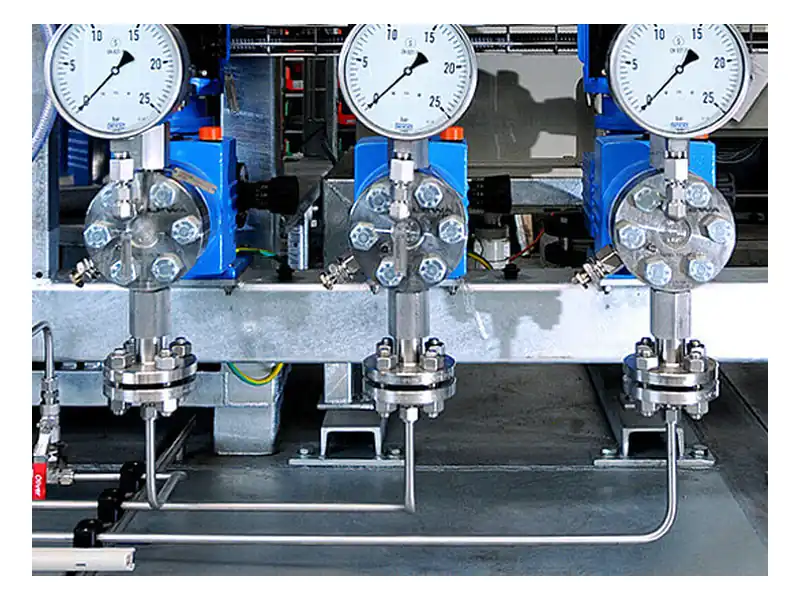
Figure 1: Official LEWA ecoflow graphic on suction capability. Image source: LEWA official website
- Is the liquid level above or below the suction nozzle, and what is the lowest level during a run? Do not size on a full tank.
- Is the surface at atmospheric pressure, slightly positive, or under vacuum? A closed tank with a nitrogen blanket can change.
- What is the temperature and the matching vapour pressure? Hot water and volatile solvents need an explicit answer.
- How long is the suction line, what is the bore, and how many elbows, a foot valve and a strainer sit in the run? A dirty screen is a sudden loss of margin.
The NPSHa you calculate should sit comfortably above the published NPSHr, not on the edge. Size the strainer as it will be when dirty, not as a new basket. If the suction line is already long and thin, add the acceleration loss that is peculiar to reciprocating pumps. That term is separate from the static part of a metering pump NPSH check, and we treat it in the next topic.
On a first start, do not only watch the discharge. Listen at the suction valve, see whether a calibration is stable, and watch whether the discharge gauge is swinging hard. If a new pump is noisy at once, look for air leaks, a stuck foot valve or a strainer blocked by packing debris before you blame the pump. A seasonal change of chemical is also a reason to look at suction conditions again.
If the margin is too small
To improve metering pump NPSH in the field, the usual moves are: lower the pump or raise the tank, shorten the suction line, enlarge the bore, cut the number of elbows, fit a larger strainer and clean it often, cool a hot chemical, or move the pump closer to the tank. If the process allows a slight, steady positive pressure on the tank, that also helps; do not treat an open tank and a closed tank as the same number. If those changes are not enough, change the pump type or slow it down so NPSHr falls.
LEWA ecoflow hydraulic diaphragm pumps publish suction-capability notes in the literature. On high-pressure, high-accuracy duties, get the suction side right the first time. A foot valve, a strainer and a short, fat suction line often do more than swapping in a larger pump later. If the layout is unclear, send the level, temperature, bore and length and contact our engineers so we can review metering pump NPSH together. You can also compare types on the metering pump range and the LEWA brand page.
Conclusion
A metering pump NPSH check compares the NPSHa the plant can provide with the NPSHr the pump needs, and then leaves a margin. Level, vapour pressure and suction-line losses are the core of the arithmetic. Cavitation shows up first as noise, unsteady flow and short valve life. Improve the layout before you change the pump: raise the level, shorten and enlarge the suction line, and keep the strainer clean. Put the lowest level and the chemical temperature on the data sheet, and you will spend less time listening to a noisy pump after start-up.
FAQ
Is metering pump NPSH the same thing as suction lift?
No. Lift is how far the liquid can sit below the pump. Metering pump NPSH is the margin against flashing. Being able to lift the liquid does not mean the margin is adequate, especially with a hot chemical or a long, thin suction line.
The data sheet does not list NPSHr. What then?
Ask the maker for suction data near the duty point, or lay out the suction side on a conservative figure and confirm by sound and flow at commissioning. Do not copy a cold-water habit onto a volatile chemical.
If the tank floods the suction, can I ignore metering pump NPSH?
Flooding raises NPSHa, but the line still has losses and the strainer still blinds. With a hot, long or viscous duty, a flooded suction can still be short. Do the check anyway.
Will cavitation punch through a diaphragm immediately?
Not always at once, but valve life and diaphragm life shorten, and the flow wanders. If you hear unusual knocking, stop and inspect the suction side rather than running through it.
Is it better to raise the tank or to set the pump on the floor?
Both increase the static head. The better choice depends on space. What matters is to judge metering pump NPSH on the lowest operating level, not on the level just after a refill.