
Metering Pump Repair Manual: How to Use the Fault Table and Drawings
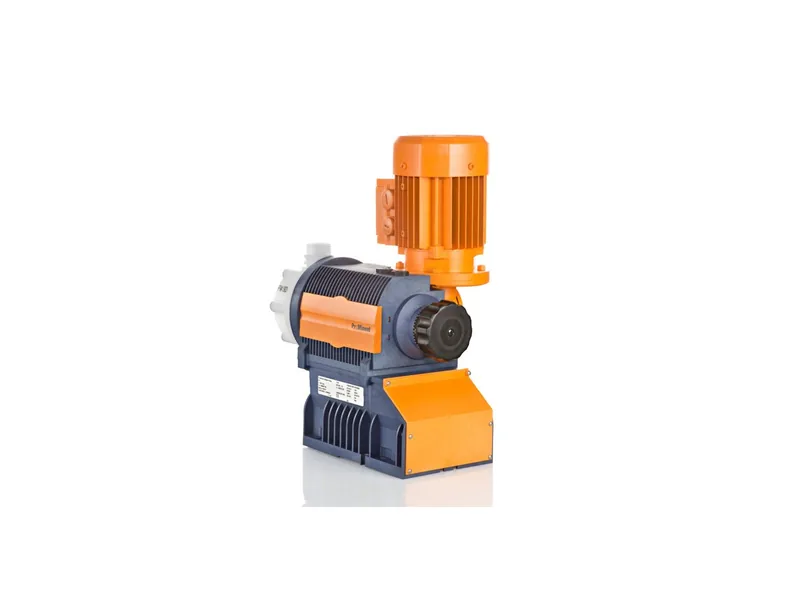
A metering pump repair manual saves more time on site than any tool in the van, yet most technicians open it only after something has gone wrong twice. They strip the liquid end from memory, forget which way the valve balls sat, and guess at the screw torque. The pump goes back together, and the leak simply moves to a new joint.
This guide uses the operating instructions for the ProMinent Sigma/1 Basic motor-driven diaphragm metering pump as a worked example. Other brands name their chapters differently, but a good metering pump repair manual follows the same logic, so the habits carry over.
Which Chapters of a Metering Pump Repair Manual Matter Most
The Sigma/1 Basic manual runs to more than ninety pages. For repair work you will mostly use five parts of it:
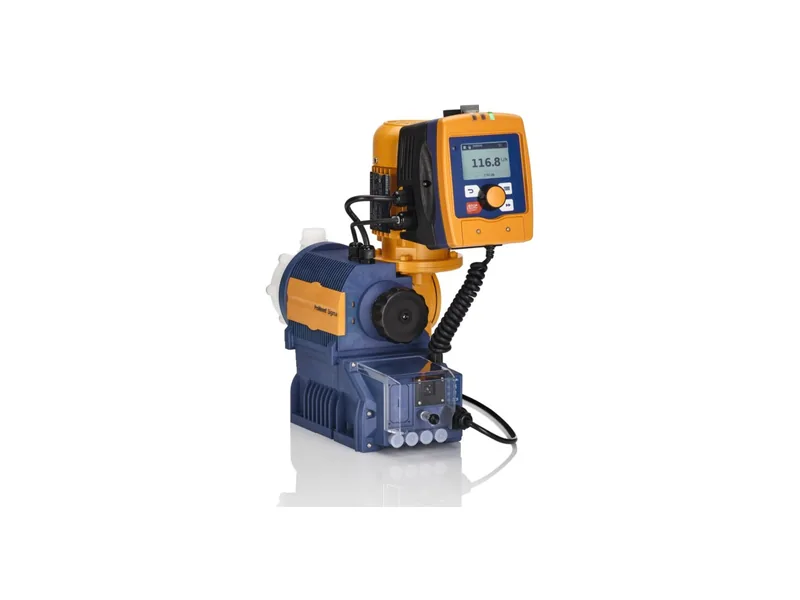
Figure 1: ProMinent Sigma X S1Cb control type motor-driven metering pump. Image source: ProMinent official website
- Maintenance lists the daily and quarterly checks, such as loose dosing head screws, seepage near the leakage hole and whether the diaphragm rupture sensor still triggers an alarm.
- Repair covers only the jobs the factory allows in the field. For the Sigma/1 that means cleaning valves and replacing the diaphragm.
- Troubleshooting is a table with four columns: fault, cause, remedy and who should do it.
- Exploded drawings and wear parts give item numbers and spare part kit order numbers.
If a job is not described anywhere in the metering pump repair manual, such as opening the power end, treat that as a hint. The manufacturer usually keeps that work for its own service team.
Reading the Fault Table in a Metering Pump Repair Manual
The table works one way: describe the symptom precisely, find the matching row, then rule out the causes one by one. "The pump is not dosing" is too vague. The manual splits it into several different symptoms.
Sigma/1 example rows
If the pump does not prime despite full stroke motion and degassing, the listed causes are dirty or worn valves, or particles larger than 0.3 mm in the chemical. The fix for the second one is a filter in the suction line.
If the pump cannot reach high pressure, the valves are suspect again, but so are incorrect motor wiring and low mains voltage. Those two rows are marked for an electrician, not a pump fitter.
Fluid escaping from the backplate points first to dosing head screws that have loosened; they must be tightened crosswise to the specified torque. Only after that do you suspect a leaking diaphragm. A triggered rupture sensor means the operating diaphragm has failed, and a very hot motor points to a badly constricted discharge line.
The last row says "all other faults: call ProMinent Service." Read that as a boundary. If the metering pump repair manual does not list your symptom, forcing a repair usually costs more than the call.
Using the Drawings Without Guesswork
The cross-section and exploded drawings are the most valuable pages in any metering pump repair manual. The Sigma/1 liquid end section shows the suction valve, diaphragm, discharge valve, dosing head, backplate and safety diaphragm. A separate valve section numbers the flat seal, valve body, ball, seat and cap.
Take a photo before you strip anything, then check the flow direction against the drawing. The manual warns that ball valves fitted the wrong way round can let chemical escape from the liquid end.
Two details catch a lot of people:
- Used PTFE seals do not reseal. A PTFE seal that has already been compressed cannot reliably seal a hydraulic connection, so the metering pump repair manual calls for new ones every time.
- Dosing head screws need a torque wrench. The Sigma/1 value is 4.5 to 5.0 Nm. Check it again after 24 hours of running, and quarterly on PP, PC and TT dosing heads.
Overtightening can distort a plastic head. Undertightening gives you seepage at the backplate. Either way the job comes back.
Safety Steps Before You Touch the Liquid End
Almost every repair chapter opens with the same three steps: disconnect the power, depressurise the pump, then flush it with a medium chosen from the chemical's safety data sheet.
They look repetitive, but they matter. Loosening a fitting on a pressurised line can spray sodium hypochlorite or acid straight at your face, and that is a far bigger problem than a stopped pump.
The relief valve needs care too. The metering pump repair manual warns that a spring under high tension can jump out, so wear safety glasses. On versions with an integrated frequency converter, wait 3 minutes after switching off before you open the terminal box.
Matching Spare Parts and Service Intervals
The wear parts chapter of the metering pump repair manual groups spare part kits by liquid end size, FM 50, FM 65 and FM 120, and then by material version. Read the identity code on the nameplate before ordering rather than asking for "a Sigma/1 diaphragm".
The quarterly checks in the metering pump repair manual assume normal loading of roughly 30% continuous operation. Continuous duty or aggressive chemicals typically call for shorter intervals. Diaphragm life generally depends on system back pressure, operating temperature and the chemical itself, and abrasive media shorten it noticeably.
ProMinent also notes that third-party spare parts can cause pumping problems. For more on parts, see ProMinent spare parts, the metering pump spare parts list and our diaphragm replacement steps.
Conclusion
The fault table, the drawings and the wear parts list are the three parts of a metering pump repair manual you will use most. Match the symptom first, strip and rebuild against the drawing, torque the screws to the stated value and fit the correct original kit. Most field faults get fixed faster that way. Anything outside the table, or inside the power end, belongs with the manufacturer's service team. If you need help matching a model code to the right parts, contact our team.
FAQ
What if I have lost the metering pump repair manual?
Download it from the manufacturer's website. ProMinent states on the cover page that the latest version of its operating instructions is available online.
What if my symptom is not in the fault table?
Describe it more precisely, for example no flow at all versus low flow. If it still does not match, follow the last row and contact the manufacturer's service.
Do I need to change the stroke length when replacing the diaphragm?
On the Sigma/1, yes. You set 0% stroke length with the pump running before removing the head, then set 100% during reassembly before final tightening.
Why do the item numbers on the exploded drawing matter?
They link each part to the wear parts list and kit order numbers. Quoting them with the identity code avoids wrong deliveries.
How much repair can site staff usually do?
Typically valve cleaning and diaphragm replacement. Power end work, motor repairs and ATEX versions are better left to qualified technicians or factory service.