
Remote Start-Stop Wiring for a Metering Pump: Dry Contacts
Remote start-stop on a metering pump is, in most plants, a request to start or stop the unit from a control room or a field push-button. It is not a reason to begin with a fieldbus. The usual method is a dry contact: landed on the pause or enable terminals of a solenoid or digital pump, or landed in the starter circuit of a motor-driven pump. This note is for the electrician and the controls engineer who have to land those wires, and who need to avoid feeding 24 V into a passive input, or sending a signal that never actually closes the motor contactor.
Remote start-stop is a signal on some pumps and a power circuit on others
Start by naming the pump type. A solenoid diaphragm pump, and many digital pumps, already have low-voltage terminals. A dry contact is enough to pause the unit or to allow it to run; the pump still manages its own power and drive. A mechanical diaphragm, hydraulic diaphragm or plunger pump with a motor usually needs remote start-stop through the control panel: push-buttons, an interposing relay and a contactor. There is often no useful "remote" terminal on the pump head itself.
Do not draw the two circuits as if they were the same. A digital output into a solenoid pause input will not close a motor contactor, so a motor pump will sit still. A 380 V control wire landed on a solenoid signal terminal will damage the input quickly. Isolate the supply before you work, read the terminal list, and keep wet hands off the strip.
Typical sources for a remote start-stop contact are:
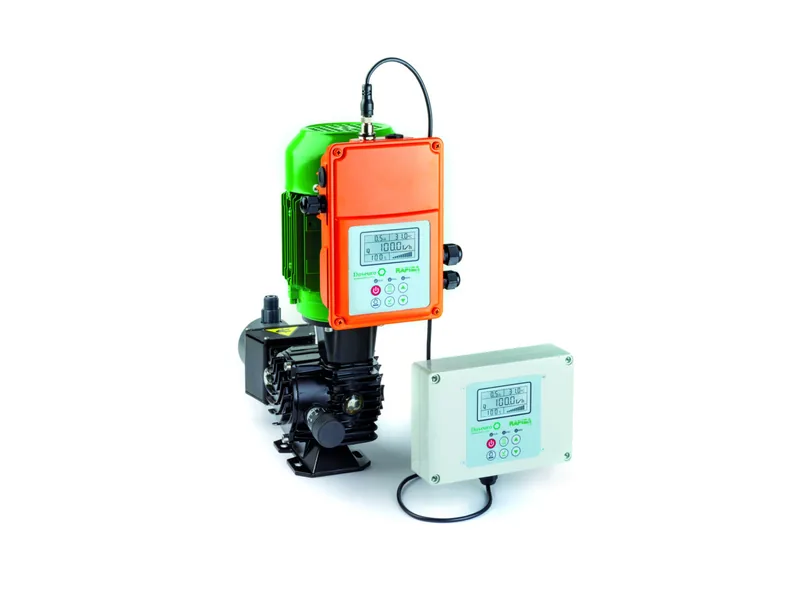
Figure 1: Doseuro Rapida remote control terminals. Image source: Doseuro official website
- A relay output from a PLC or DCS, which is a true dry contact. Do not drive the same terminals with a sourced transistor output.
- A remote push-button or selector, usually through an interposing relay, into the pump or the starter panel.
- A level switch or a pressure switch, wired in the enable path as an interlock, not as a dose-rate signal.
Starting and stopping over a fieldbus is a different job, with its own wiring, fail-safe rules and access rights. This note does not cover that path. If all you need is remote start-stop, a clean contact and the correct polarity matter more than a protocol.
Landing a dry contact on the pump signal terminals
On many solenoid and digital pumps the pause or stop input is already energised inside the unit. The field wiring only has to close or open the pair. That input must see a dry contact. Feeding 24 V DC from a PLC into it can scramble the count or damage the port. Use an active input only when the manual says so, and then only at the stated voltage and polarity.
Normally open or normally closed must match the menu. Some pumps run only while the contact is closed and pause when it opens. Others pause when the contact closes. If you reverse that, two field faults appear: the control room has already issued a stop, and the pump is still stroking; or the PLC comes online and the pump will not run. After the wires are landed, prove the pump in local manual, then close or open the remote contact and watch the pump itself, not only a lamp.
Pause and stop are not the same. A pause input often only inhibits the stroke; the keypad stays live, and alarms or a level input may still work. If the process needs the supply isolated, that has to be done on the power side, not by the pause terminal alone. Level interlocks are described in dosing pump low level alarm setup. Terminal marks vary by brand; ProMinent layouts are in ProMinent metering pump wiring, and a general solenoid approach is in solenoid metering pump wiring.
Use a shielded cable, earth the screen at the panel end, and keep it off the motor tray. A bouncing or dirty remote start-stop contact will cycle the pump, which is hard on the diaphragm and on a motor. An interposing relay can clean the contact before it reaches the pump.
A motor-driven pump needs remote start-stop in the starter
On a motor-driven metering pump, remote start-stop almost always goes through the control panel. A common arrangement keeps the local start and stop buttons, and brings a dry remote contact in parallel with the start circuit or in series with the stop circuit, through a relay. Agree whether the remote command is a pulse that latches, or a maintained level, and match that to the PLC output. A short pulse into a starter that needs a maintained signal will bump the pump and then drop out. A maintained close into a pulse-and-latch starter will not line up with the stop circuit.
The local/remote selector has to do real work. In local, the remote contact must not be able to start the pump, or a technician at the skid can be surprised by a start from the control room. In remote, local start is removed or reduced to a local emergency stop. How to build that into a panel is covered in metering pump control box.
Emergency stop must be hard-wired. Do not rely on a communication write or a software stop alone. After a thermal overload or a phase-loss trip, find the cause at the pump before a remote start-stop command tries to start it again. On a Doseuro mechanical pump that can be supplied with a remote control unit, put the remote start-stop method and the voltage on the order so the terminals match the panel.
Conclusion
Remote start-stop comes down to a reliable dry contact, and a clear decision about whether that contact enters a pump signal input or a motor starter circuit. On a solenoid pump, land the pause or enable terminals as the manual shows, and never feed a live voltage into a passive pair. On a motor pump, land the contact in the contactor circuit, and keep the local/remote selector and a hard-wired emergency stop. Test in local first, then simulate a remote start and stop, and confirm that the pump and the control-room status agree. If the duty or the terminals are unclear, contact us with the wiring method and the panel arrangement.
FAQ
Does remote start-stop always need a communication link?
No. A dry contact is enough for most start and stop duties. Communications belong where you also need to change flow, read faults or watch many pumps from one place. That is not the same job as remote start-stop.
What is the difference between a dry contact and a 24 V discrete output?
A dry contact only closes or opens; the voltage comes from the pump or from the starter circuit. A 24 V output supplies power from the outside. The wrong choice can damage the terminals. Follow the manual; do not treat every "digital" point as the same.
The control room shows a stop, but the pump is still stroking. Why?
The usual causes are a reversed normally open or normally closed setting, a selector still in local, or a pause input that is not the same circuit as the motor stop. Look at the contactor or the stroke at the pump. Do not trust the graphic alone.
We landed a signal on the pump head of a motor unit. Why will it not run?
Remote start-stop on a motor pump has to enter the contactor circuit in the panel. A low-voltage signal at the head will not close the main circuit. Check the starter schematic.
Can a level switch share the same terminals as remote start-stop?
It can be wired in series in the enable path, but the priority must be clear: a low level should stop the pump and must not be overridden by a remote start. If the two contacts are simply paralleled, the control room can still start the unit after the tank is empty.