
Long-Distance Dosing Pipeline: Friction, Crystals, Heat Trace
It is common for the dosing room to sit in a services building while the injection point is at a basin or a process line some distance away. Once the dosing pipeline gets long, the job is no longer just "add more pipe." Friction accumulates, a surprising volume of solution sits in the line, high points hold gas, low points collect crystals, and outdoor runs can freeze. The order of valves, dampers and backpressure valves on the skid is already covered in dosing skid piping and pressure drop. This page stays on the long run after the skid. It is for design and operations staff who have to carry chemical a long way.
A longer dosing pipeline raises friction and hold-up first
The longer the run, and the more elbows and valves it carries, the higher the friction loss. The metering pump's rated pressure typically has to cover these parts of a long dosing pipeline:
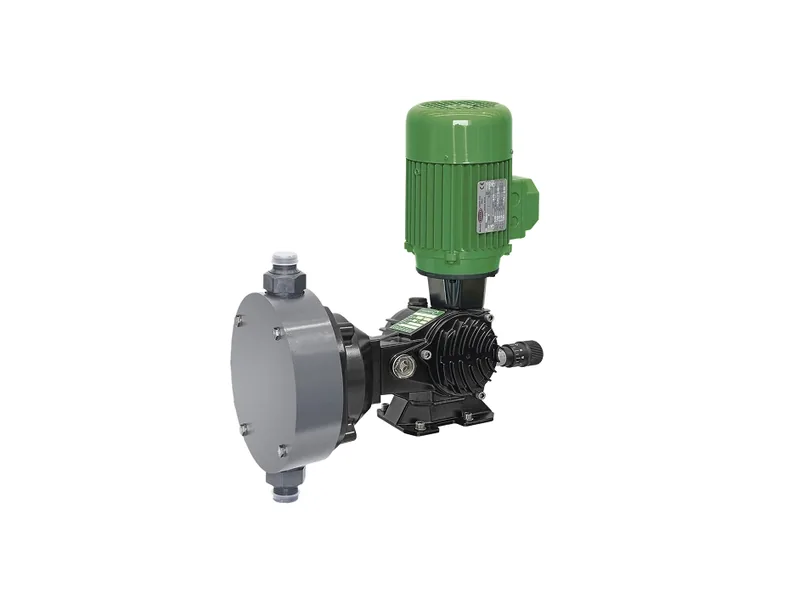
Figure 1: Doseuro spring-return mechanical diaphragm pump. Image source: Doseuro official website
- The static or line pressure at the injection point.
- Friction loss along the route.
- Any back pressure still needed at the tap.
- A margin for winter viscosity, which usually raises friction again. If the pump was sized on a short skid discharge, a long dosing pipeline will push discharge pressure toward the stop, flow will fall, and a high-pressure trip may follow. Stepping the pipe up one size can cut velocity and loss, but an oversized bore leaves chemical sitting in the line for too long. Material choices are in PAC dosing pipe material.
A long dosing pipeline also holds a real volume of solution. After you change stroke or speed, the new strength does not arrive until the old contents have been pushed out, so the process looks as if "nothing happened." After a shutdown, that same volume may have sat for hours. PAC, polymer or sodium hypochlorite can age, crystallize or give off gas in that time. The longer the dosing pipeline, the less you should leave it full through a long stop. Flush before a shutdown, or confirm that the chemical will still be fit to use after the wait.
Vent the highs, flush the lows, and heat-trace outdoor runs
A long dosing pipeline almost always rises and falls. Gas collects at the crowns. Metering pumps already discharge in pulses, so an undrained pocket shows up as unsteady flow or pipe hammer. Put vents at the high points and use them when the line is first filled or refilled. A single vent at the pump discharge will not clear a distant hump. Lows and dead legs are where crystals and sediment settle, especially with PAC or phosphate solutions. Leave flush and drain valves at the end and at the lowest point, and push the line through with water on a schedule, rather than waiting until the pump "stops feeding" and the pipe is opened. Crystal blockages are covered in PAC dosing pump not delivering.
Outdoor runs, rack runs and wall-mounted pipes get cold in winter. Viscosity rises, friction rises again, and some products form a film on the wall. Insulate first. Add heat tracing where needed, and keep the tracing live at low flow or during a short stop so the wall temperature does not collapse at the ends. Keep electrical joints for the tracing out of places that can drip chemical. If a shutdown will last, drain the outdoor dosing pipeline or fill it with clean water rather than leaving product in a cold line overnight.
Supports, expansion and protection also deserve more care than a short indoor run. A long dosing pipeline moves with temperature; leave room for expansion so the load does not sit on the pump nozzles. On a pipe rack, protect the line from being stepped on or struck, and keep joints where a leak can be seen and caught. Do not bury a dosing line in a ceiling void you cannot reach. A mechanical diaphragm metering pump is a reasonable match when pressure and flow line up with the route. Doseuro motor-driven diaphragm pumps are often used where some discharge pressure is required; still check the actual length and the chemical, and do not rely on the catalogue flow alone.
Treat the length of the dosing pipeline as part of the duty
During design, sketch the route, elevations, diameter and fittings, then calculate friction and hold-up and read those numbers back against the pump's pressure margin and the lag in dose changes. Water tests should use the real dosing pipeline, not a short loop beside the skid. When chemical is introduced, start at a low rate, confirm that high points vent, low points drain and tracing comes up to temperature, then step toward the set point. Send the length, elevation change, chemical and injection pressure to us via contact and we will check the pump and the line. Pump types can also be compared in the metering pump category and on the Doseuro product page.
Conclusion
A long dosing pipeline has to be designed for friction, hold-up, venting, crystals and heat tracing, not simply extended at the same diameter. Pump pressure must cover the run, pipe size is a compromise between loss and residence time, high points must vent, low points must flush, and outdoor sections need insulation or tracing. Test on the real route, and do not leave product standing in a cold line through a long shutdown. Keep this work separate from the valve arrangement on the skid, and long-distance feed is less likely to surprise you after start-up.
FAQ
At what length must I change the dosing pipeline diameter or the pump?
There is no single metre count that fits every chemical. Calculate friction from flow, diameter, fittings, elevation and viscosity, then compare it with the pump's rated pressure. If the margin is already thin, or winter viscosity will stall the feed, enlarge the pipe or fit a higher-pressure pump. Do not wait for a high-pressure alarm.
Should the backpressure valve sit on the skid or at a distant injection point?
On a long run, the backpressure valve is more useful near the injection point, where it holds the injection pressure and limits siphoning. A relief valve and a local gauge can stay on the skid. Valve order on the skid is covered in the skid-piping article. The point here is that a long dosing pipeline should not rely on the skid-mounted backpressure valve as a reading of the far-end pressure.
Can the solution sit in the dosing pipeline overnight?
It depends on the chemical. Some solutions are still usable the next morning; others crystallize, decompose or give off gas. The longer the dosing pipeline, the more inventory sits in the pipe and the higher the risk. If you are not sure, flush before the stop, or drain the outdoor section. Before restarting, vent and then prove the line at a low rate.
Does heat tracing have to cover every metre of the dosing pipeline?
Focus on outdoor runs, racks and unheated galleries that will go cold. Indoor pipe in a heated room usually needs only drip or impact protection. Tracing should still work at low flow and during a short stop. Ends and support points go cold first and need more attention than a straight, mid-run span.
Can I run a hose as a temporary dosing pipeline?
For a short emergency, yes, but hose kinks, weathers and gets stepped on, and couplings leak more easily. As the dosing pipeline length grows, hose friction and leak risk both rise, so it is a poor permanent substitute. The standing line should still be a proper pipe, with supports and flush points.