
Metering Pump Pressure Rating vs Actual Discharge Pressure Explained
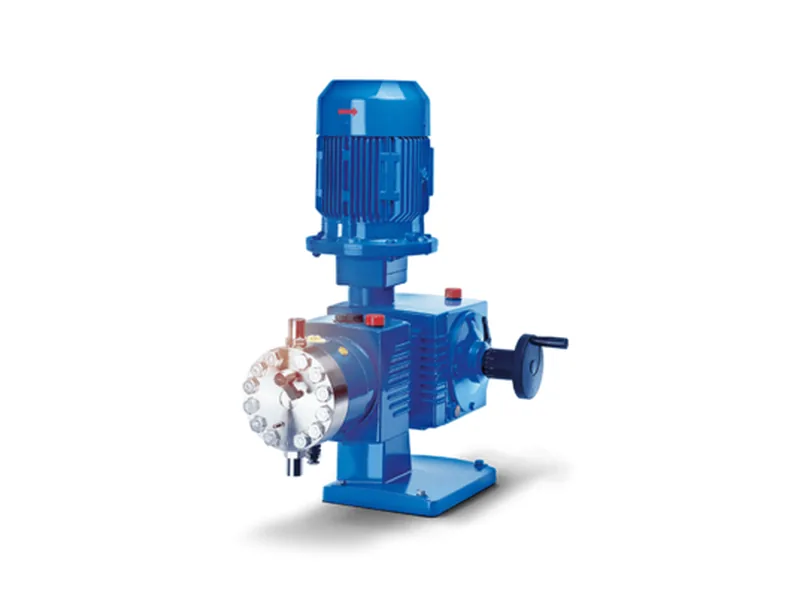
The metering pump pressure rating is what the pump can withstand. The actual discharge pressure is what your system asks for. The rating is the maximum outlet pressure the pump is designed to run at continuously; the actual pressure is set by the injection point, pipe friction, elevation and any back pressure valve. In a healthy installation the actual pressure sits clearly below the rating, with the relief valve set in the gap between them.
This article is for engineers specifying chemical feed and operators who read discharge gauges every day. It focuses on hydraulic diaphragm pumps, but the logic is the same for mechanical diaphragm and plunger pumps.
What a metering pump pressure rating means
The metering pump pressure rating, often called rated discharge pressure, is the highest outlet pressure at which the manufacturer allows continuous operation at rated flow. The drive, hydraulic chamber, diaphragm and liquid end are all designed around it.
A positive displacement pump does not generate a set pressure. It pushes until the system resists, so discharge pressure rises to whatever the piping demands, until a relief valve opens or the drive overloads. The same pump might see very little pressure feeding an open tank and run close to its metering pump pressure rating on a high-pressure injection point.
What makes up the actual discharge pressure
Break it into parts and list each one when you size the pump:
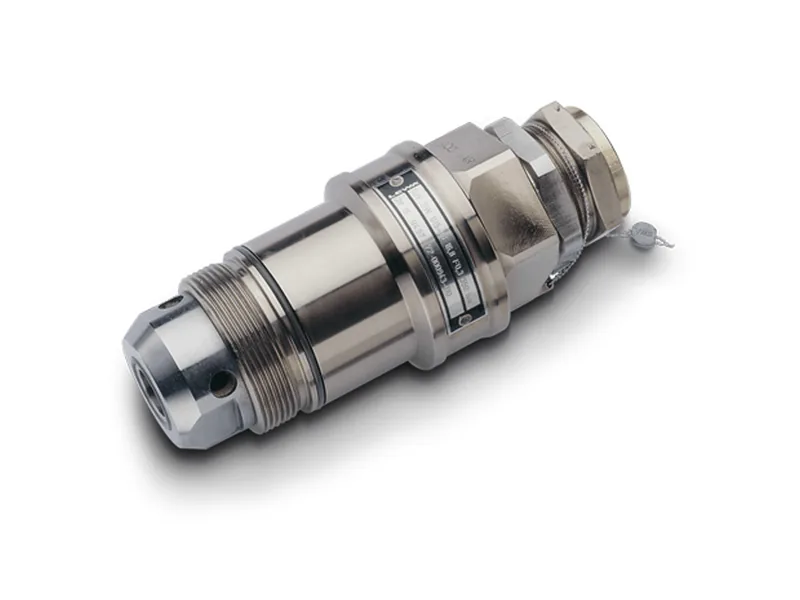
Figure 1: LEWA ecoflow integrated pressure relief valve. Image source: LEWA official website
- Injection point pressure: the water main, boiler feed line or reactor you are dosing into.
- Elevation: static head if the injection point is above the pump.
- Friction losses: pipe size, length, fittings, valves and strainers. Thicker chemicals and smaller, longer lines add more.
- Back pressure valve setting: if fitted, the pump must open it, so its setting becomes the floor for discharge pressure.
- Injection valve cracking pressure: spring-loaded injection valves need pressure to open.
One more that gets missed: a reciprocating pump delivers in pulses, so instantaneous flow is higher than average flow, and friction calculated on peak flow is noticeably higher. On long lines without a pulsation dampener, the gauge peak sits well above the average. That peak is the pressure the pump really sees.
How much margin below the metering pump pressure rating?
Choose a pump whose metering pump pressure rating exceeds the maximum actual discharge pressure with margin to spare. There is no universal figure; it depends on how much pressure fluctuates and whether the injection point pressure can rise later. We size on the worst case: highest injection point pressure, coldest and thickest chemical, and friction at peak flow.
A common mistake is quoting the pipeline design pressure. Design pressure is often far above operating pressure, which leads to an oversized, more expensive pump. The opposite error, quoting only normal operating pressure and ignoring friction and peaks, leaves the pump running at its limit.
Running permanently close to the rating causes slow damage: volumetric efficiency drops, flow reads low, the internal relief valve lifts often, and diaphragm and valve life shortens.
Where the relief valve setting fits
Set the relief valve above the maximum actual discharge pressure, at or below the metering pump pressure rating, and below the rating of the weakest component in the discharge line.
A hydraulic diaphragm pump usually has two layers of protection. Inside the pump, LEWA states that its ecoflow series has an individually adjustable pressure relief valve in the hydraulic section to prevent overload, including when the discharge line is closed. Outside the pump, a relief valve on the discharge line protects pipe, dampeners and flow meters. PVC pipe and plastic dampeners are often rated lower than the pump, so set the external valve to protect them. Our guide to setting a dosing pump relief valve covers the steps.
Before adjusting a relief valve or opening discharge fittings, stop the pump and release the pressure. Trapped pressure in a high-pressure line can spray chemical.
When actual pressure is too low
Low discharge pressure causes its own problems. If the injection point is near atmospheric, or below the liquid level in the tank, chemical can siphon through the pump uncontrolled. If discharge pressure falls below suction pressure, the check valves do not seat properly and the pump overfeeds.
The fix is a back pressure valve on the discharge, giving the pump a stable outlet pressure so the check valves open and close cleanly. See why metering pumps need a back pressure valve.
Reading the gauge against the metering pump pressure rating
Fit a discharge gauge, ideally snubbed or downstream of the dampener, and watch three things:
- The average reading, compared with the actual discharge pressure you calculated.
- The peak swing. If it approaches the relief setting, check the dampener and piping.
- The trend. A slow rise usually means a blocked strainer or injection valve.
Our guide to reading a metering pump pressure gauge explains normal readings and warning signs.
Conclusion
The metering pump pressure rating is a capability limit. Actual discharge pressure is a system demand. Keep margin between them, set the relief valve in that gap, and respect the rating of every accessory on the line. Size on maximum injection pressure, elevation, friction and pulsation peaks rather than pipeline design pressure, and add a back pressure valve when outlet pressure is too low. Compare models in our hydraulic diaphragm metering pump range and LEWA pumps, then send us your injection pressure, line length and flow and contact our engineers to confirm the right pressure class.
FAQ
Is a higher metering pump pressure rating always better?
No. Higher pressure classes mean heavier pumps, liquid ends and accessories, and higher cost. Choose the actual discharge pressure plus a sensible margin.
What happens if actual pressure exceeds the rating?
The internal relief valve lifts and flow drops sharply. Without working protection, the diaphragm, liquid end or drive can be damaged.
Why is my gauge reading much higher than calculated?
Check that the discharge valve is fully open and that the injection valve and strainer are clear, then check whether the dampener has failed.
Can the back pressure valve be set above the metering pump pressure rating?
No. It must sit below the relief valve setting and well below the pump rating, or the pump runs at the edge of overpressure all the time.
Can I move a pump to a higher-pressure injection point?
Calculate the new actual discharge pressure first and compare it with the metering pump pressure rating and relief setting. If the margin is too thin, change to a higher pressure pump or liquid end.