
Metering Pump Slow Priming After a Stop: Finding the Backflow
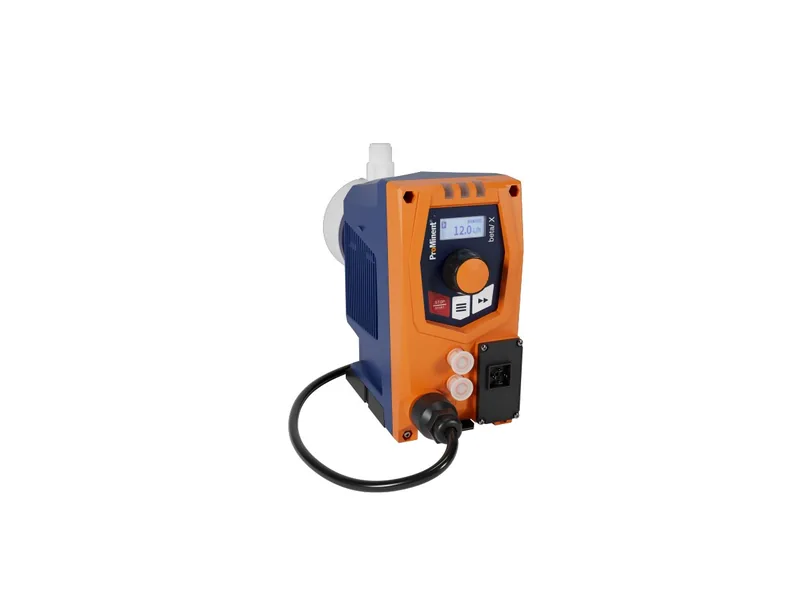
A metering pump that runs well all day but needs ten minutes of clicking before it delivers chemical in the morning has a slow priming problem. In most cases the pump itself is fine. During the stop, the liquid in the suction line drained back into the tank and air took its place. A diaphragm pump moves air poorly, so the longer the suction line and the more air in it, the longer the pump takes to prime again.
The approach is simple: find where the liquid is escaping, close that path, and then improve the suction conditions so the problem cannot come back. This article focuses on how to confirm backflow and how to check the foot valve and suction valve. Foot valve selection and installation are covered in a separate article.
Why Liquid Drains Back and Causes Slow Priming
When a pump lifts chemical from a tank below it, the column of liquid in the suction line is held up by two things: the seal of the foot valve and the pump's suction check valve, and the airtightness of every joint along the line. If any valve does not close fully or any joint lets air in, gravity pulls the column back down once the pump stops. Air enters through the leak or through the pump head.
The longer the stop, the more liquid drains away. A short pause may cause no trouble at all, while an overnight stop leaves the line empty. That is exactly why slow priming tends to show up first thing in the morning or after a weekend.
How to Confirm Suction Line Backflow
Watch a Transparent Section
If the suction line is clear tubing, mark the liquid level right after the pump stops and check it again an hour later. A falling level confirms backflow. For opaque lines, fit a short clear section near the pump inlet so you can see what is happening.
Time the Slow Priming
Start the pump after stops of different lengths and record the time from start to first delivery. If priming takes longer the longer the pump sat idle, backflow is almost certainly behind the slow priming. If priming is slow no matter how short the stop, look instead at the pump head venting or the valve balls.
Pull and Test the Foot Valve
Lift the foot valve out of the tank, fill it with water, and hold it upside down. Steady dripping means it is not sealing. Crystals or debris on the ball or seat, a weak spring, or a blocked strainer that stops the ball from reseating are the usual reasons.
Common Foot Valve and Suction Valve Faults
The metering pump foot valve sits at the bottom of the suction line and acts as both strainer and check valve. When it leaks, the whole suction line can empty back into the tank. Typical faults:
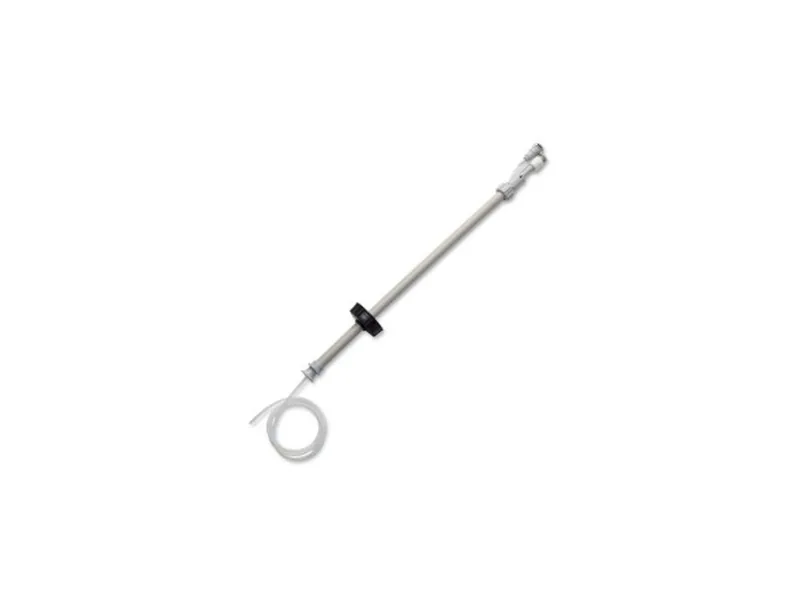
Figure 1: ProMinent 普罗名特 gamma X metering pump accessory. Image source: ProMinent 普罗名特 official website
- Ball stuck open by crystallized chemical
- Worn or scratched seat
- Clogged strainer preventing the ball from returning
- Broken or corroded spring on spring-loaded designs
A leaking suction check valve on the pump head lets liquid flow back through the head as well. If the suction and discharge valves have been fitted the wrong way round, the pump will not deliver at all, so confirm direction against check valve installation direction.
Joint leaks are harder to spot. The suction line runs under vacuum, so a loose fitting may never drip, yet it can still pull in air. Once the pump stops, that air breaks the liquid column and the line drains. Brush soapy water on each joint while the pump runs and watch for bubbles being drawn in.
A Typical Site Case
A water plant dosing sodium hypochlorite had its pump on a bracket beside the tank, with a suction lift of about 1.5 m and a 3 m suction line containing three joints. The pump ran fine all day, yet every morning slow priming cost more than ten minutes. Staff added a clear section at the pump inlet. In the evening the level sat at the inlet; by morning it had dropped into the tank.
The foot valve showed a white ring of crystals on the ball and dripped steadily when inverted. Cleaning it reduced the backflow, but the level still crept down overnight. A soap test then found a threaded joint pulling in a little air. With the seal replaced, the level held overnight and the pump primed in under a minute. Later the pump was moved below the tank level for flooded suction, and the slow priming problem disappeared completely.
How to Fix Slow Priming
- Use flooded suction wherever possible. With the tank level above the pump inlet, the line stays full during a stop and backflow cannot happen.
- Where suction lift is unavoidable, fit a good foot valve and clean it regularly. See metering pump foot valve for selection.
- Keep the suction line short and minimize joints. Use the correct seal type for each fitting.
- On pump heads with a bleed valve, open it at start-up to purge air quickly. The method is covered in diaphragm metering pump air purge.
- For gassing chemicals such as sodium hypochlorite, choose a pump head with automatic degassing.
Start-Up Tips Until the Fix Is Done
Until the suction side is corrected, you can shorten slow priming by changing how you start the pump. Set stroke length and stroke rate to maximum, open the bleed valve, and wait until liquid comes out of it. Then close the bleed valve and return to the normal settings. This is far faster than waiting at a small stroke setting. For intermittent dosing points, you can also close a suction-side isolation valve before stopping so the liquid stays trapped in the line.
Slow Priming: Backflow or Pump Fault?
If you fill the suction line completely and the pump still takes a long time to deliver, or delivers far less than expected, backflow is not the cause. Look at the pump itself instead: a damaged diaphragm, a stuck valve ball, or a stroke length set too short. In that case follow the no-delivery troubleshooting path rather than continuing to chase the suction line.
A quick rule of thumb helps here. Slow priming that depends on stop length points to the suction side. Slow priming that is the same every time points to the pump head.
Conclusion
Slow priming after a stop is usually caused by suction line backflow. Watching the liquid level, timing the priming, and testing the foot valve will show where the liquid escapes. Flooded suction, a clean foot valve and suction valve, airtight joints, and a bleed valve together will cut priming time sharply. For ProMinent solenoid pumps see Beta X and our diaphragm metering pumps, or contact us if you cannot pin down the cause on site.
FAQ
Does slow priming mean the pump is broken?
Usually not. Check the foot valve and suction joints for backflow first.
How often should the foot valve be cleaned?
Monthly for chemicals that crystallize, quarterly for clean chemicals.
Can I run without a foot valve?
Yes with flooded suction. With suction lift, a foot valve is strongly recommended.
Is a larger suction line better?
No. An oversized line slows the flow so bubbles are not carried away. Match the pump inlet size.
Does clear tubing age?
Yes. Choose a chemical-resistant material and replace it on a schedule.