
Parallel Metering Pumps on One Discharge Header: What to Watch
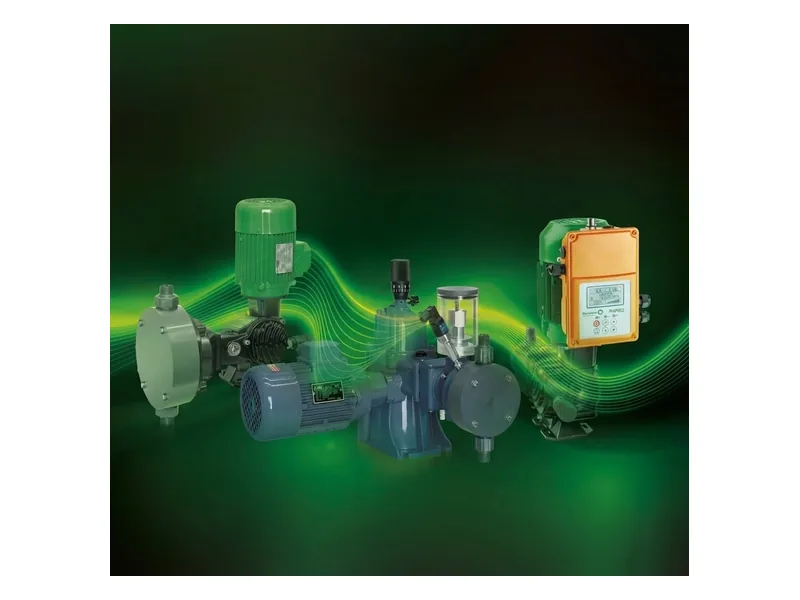
Parallel metering pumps, in this note, means two or more units feeding the same discharge header at the same time, to share flow or pressure. It is not a duty-standby pair that takes turns. Duty-standby is covered elsewhere. The problems that show up when you actually run parallel metering pumps together are back-feeding, a check valve that will not seat, and a header that jumps when the two pulse trains line up.
Why parallel metering pumps can push against each other
Each pump's discharge pressure pulses. If two parallel metering pumps share a header and a check valve is missing or will not close, the neighbour's pulse can drive liquid back into the idle or weaker pump, sometimes all the way into the head. Both units look busy; one of them is doing little useful work, and the combined flow is well short of the sum of the two ratings.
So each pump needs its own check valve and isolation valve between the discharge nozzle and the header. You should be able to service one unit while the other keeps feeding. Do not copy the single-pump discharge size for the header; two pumps at once need enough area, and the first elbows should not sit on the pump nozzles. A tee on the two discharges is not a finished layout for parallel metering pumps.
Name the service clearly on the header and on each isolation valve. We have walked up to a pair of parallel metering pumps in a crowded skid and found the tags missing, so the technician isolated the running pump by mistake. A cheap engraved tag prevents that. Keep a short note at the panel: which pump is A, which is B, and which valve belongs to each discharge.
If you are still choosing between one large pump and a pair, or between a duty-standby pair and true parallel running, start with how to select a large-flow metering pump and how to configure pumps on a dosing skid. Those pages are about the lineup. This page is about what happens after the two pumps are already tied together.
Do not start both pumps at full stroke on the first run. Commission one, confirm its discharge pressure and that the check valve seats, then start the second at the normal stroke and watch the gauges. If one discharge pressure is clearly being pushed up by the other, stop and check the check-valve direction and the seat. A check valve installed backwards is a common first-day error on parallel metering pumps; read the flow arrow again after the wrench is down.
Before two pumps share one discharge header, confirm at least these points:
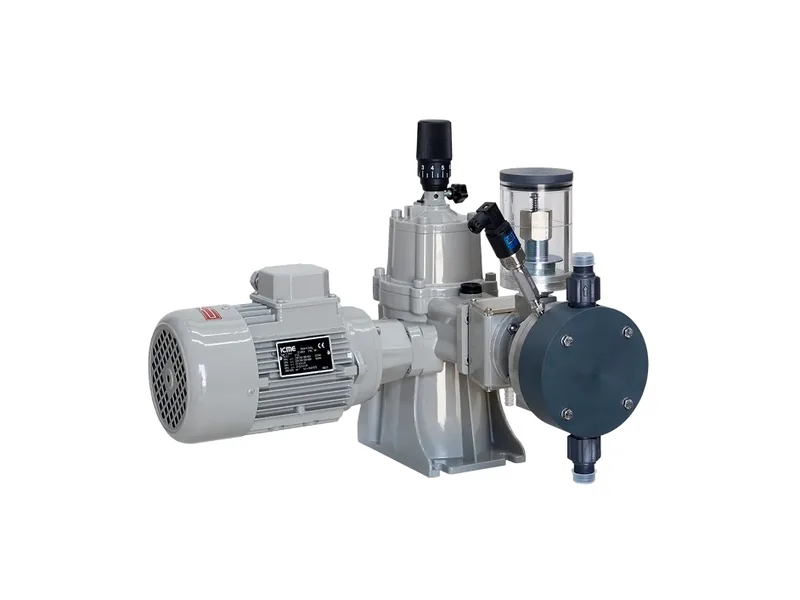
Figure 1: Doseuro positive-return mechanical diaphragm metering pump. Image source: Doseuro official website
- Each pump has its own discharge check valve and isolation valve, so one unit can be taken out of service.
- The header size and supports are chosen for both pumps running, not copied from a single-pump line.
- Each discharge pulsation dampener is sized for the flow that pump actually sees.
Stroke phasing, dampers and the header
If two reciprocating pumps stroke in phase, the pulses add and the header is more likely to slap. Some multi-head pumps leave the factory with the cranks staggered. Two separate pumps do not have that luxury, so each needs its own discharge damper close to the pump, plus a reasonably stiff header. One damper at the far end of the header will not serve both machines well.
Doseuro multi-head mechanical diaphragm pumps share a drive and stagger the heads, which is a tidy way to add flow in a limited range of parallel metering pumps. Two standalone pumps on one pipe still need a check, an isolation valve and a damper each. Do not economise them away.
Give the header a vent and a drain so you can fill and empty it. Fit a gauge on each pump discharge and one on the header, so a back-feed is obvious at a glance.
Isolating one pump while the other keeps running
The risky moment on parallel metering pumps is a service stop: one unit is down, the other is still running. Close the isolation valve firmly. A check valve is not your only isolation. Depressurize before you open a head or a valve housing. If the two pumps also share a thin suction header, stopping one unit can change the suction condition of the other, and its flow will drift. Separate short suction lines are the better layout.
During operation, measure the actual flow of each pump. Do not add the stroke percentages and call that the dose. If one set of valve balls is worn, the other pump may carry more header pressure while the total chemical rate falls. Redundancy thinking for wastewater is in dosing pump redundancy at treatment plants; that is a different operating idea from running both pumps at once.
If the header drawing is unclear, send it with the flow and pressure and contact our engineers. Skid and pump options are on the dosing skid range and the Doseuro brand page.
Conclusion
When you run parallel metering pumps into one header, give each pump its own check valve, isolation valve and a damper close to the discharge. Size the header for the combined flow. Do not expect one header damper and a tee to stop back-feeding. Isolate properly for service, and recalibrate both flows. Keep simultaneous running and duty-standby as two different designs.
FAQ
Do the flows of two parallel metering pumps simply add?
Only when the checks seat, the header losses are reasonable and both pumps are actually delivering. With back-feed or internal leakage, the total can be well below the sum of the two ratings. Calibrate each pump and the combined stream.
Can two pumps share a single discharge damper?
Not as the only damper. Each pump should have one close to its own discharge. A second damper on the header can help, but it does not replace the individual ones.
Are parallel metering pumps more prone to leaks than one large pump?
There are more joints and valves, so more places to weep. You trade that for flexible capacity, and you pay it back with serviceable fittings and regular checks. Poor installation makes the problem more obvious.
Is there a benefit to starting both pumps on a ramped VFD?
A gentle paired start is kinder to the header, but it does not replace checks and isolation. You still cannot stagger the cranks as a multi-head pump can, so the dampers stay.
Should I change the stroke on the running pump when its twin is isolated?
Often yes. Header losses change, so the remaining pump's actual flow changes too. After isolation is stable, recalibrate and then change the stroke. Do not leave the old percentage untouched.