
Metering Pump Overhaul Procedure: How to Write a Service SOP
A usable metering pump overhaul procedure has six parts: scope and responsibilities, lockout and isolation, service intervals, teardown and reassembly steps, acceptance criteria, and the test run. The first two decide whether anyone may touch the pump, the middle two say how to repair it, and the last two prove the job is done. Many plants only write the teardown section, and then every technician returns the pump in a different condition. This guide is for maintenance planners and supervisors who write or review a maintenance SOP for diaphragm metering pumps. It covers how to structure the document, not how to strip one particular model.
Overhaul procedure vs operating procedure
An operating procedure covers start, stop, rounds and changeover for operators. A metering pump overhaul procedure covers everything after the pump head comes off, for technicians and inspectors. Mixing the two in one file confuses both groups: operators wade through teardown steps, and technicians cannot find the acceptance limits.
For the operator side, see our guide to a dosing pump SOP. Keep the overhaul document separate and split it by pump type. Solenoid, mechanical diaphragm and hydraulic diaphragm pumps each deserve their own version, because hydraulic oil, refill valves and internal relief valves only exist on hydraulic designs.
Part 1: Scope and responsibilities
Open the metering pump overhaul procedure by stating which equipment it covers: pump type, tag numbers and the unit where they run. Then name the roles. Who requests the work, who issues the permit, who does the job, who inspects it and who files the record.
If responsibilities are vague, nobody owns the result. This matters most with contractors. State who escorts the vendor technician and whose tools and spare parts are used.
Part 2: Lockout and isolation
This is the section a metering pump overhaul procedure cannot skip. Most dosing pumps handle acids, caustic or hypochlorite, and the discharge side may still be under pressure. At minimum, write these steps:
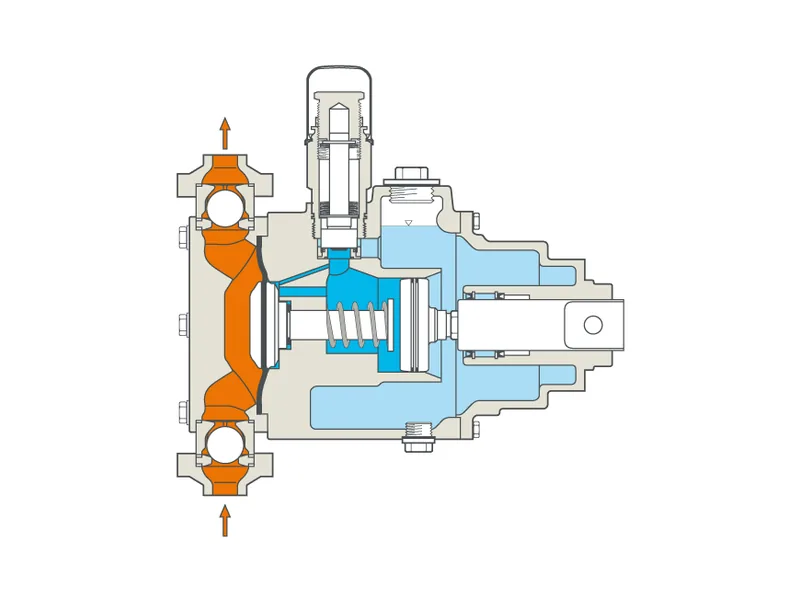
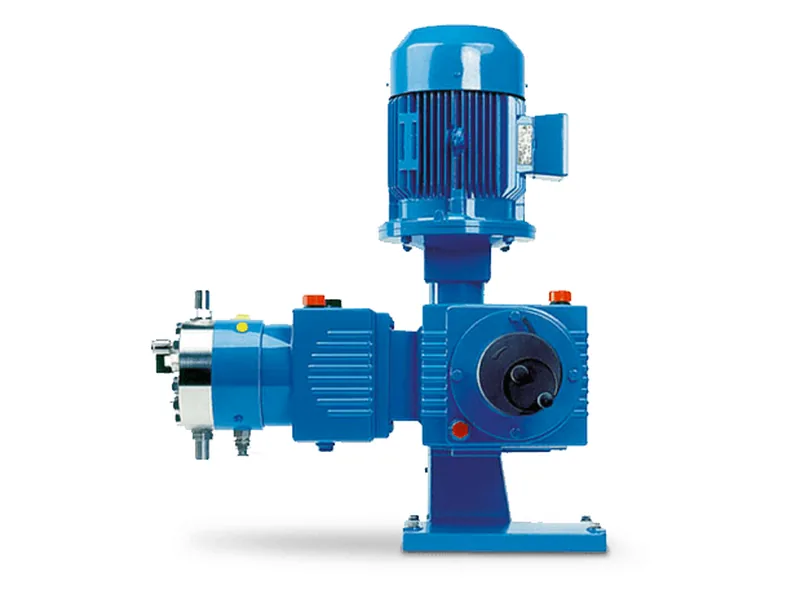
Figure 1: LEWA ecoflow M900 diaphragm pump head. Image source: LEWA official website
- Isolate power, lock and tag the breaker, and set the local panel to stop.
- Close the suction and discharge isolation valves and confirm they hold.
- Open the drain or vent to relieve pressure in the pump head and discharge line.
- Flush the head with water and drain residue into a designated container.
- Wear goggles, chemical gloves and protective clothing suited to the chemical.
For where isolation valves should go, see dosing system isolation valves. Add one more line: nobody puts a hand into the diaphragm cavity until every head bolt is out.
Part 3: Service intervals
Write intervals by service level rather than "periodic maintenance". A common split is minor, intermediate and major service. Minor means cleaning valves and replacing seals. Intermediate adds a diaphragm change and a check of the drive. Major means full disassembly, and on hydraulic pumps an oil change plus inspection of the refill and relief valves.
Base the numbers on the manual and your own run history. Aggressive chemicals and continuous duty call for shorter intervals. Every number in the metering pump overhaul procedure must be realistic: too short and nobody follows it, too long and it means nothing.
Part 4: Teardown and reassembly steps
A metering pump overhaul procedure does not need to copy the whole manual, but the key steps need an order and the critical points.
Teardown
Disconnect the piping first, then the valve assemblies, then the pump head and diaphragm. Keep suction and discharge balls and seats apart and labelled so they cannot be swapped. Inspect both faces of the diaphragm for blisters, cracks and scoring.
Reassembly
Reverse the order. Set the diaphragm position as the manual requires before closing the head, then tighten head bolts in a cross pattern in stages. Our metering pump diaphragm replacement guide covers that job in detail.
Part 5: Acceptance criteria in a metering pump overhaul procedure
This is where most documents fall back on vague words. "Assembled properly" cannot be inspected. Write criteria that can be seen or measured:
- Valve balls show no flat spots; seat sealing faces have no scratches or chips.
- Diaphragm has no cracks or blisters and is installed the right way round.
- Head bolts are torqued to the manual value, none missing.
- On hydraulic pumps, oil level is within the sight glass marks and the oil is clean.
- No leaks at any fitting.
Give each line a tick box or a field for the measured value, and have the inspector sign it.
Part 6: Test run and records
The metering pump overhaul procedure should split the test run into two steps. Prime the pump and listen for normal running with no knocking. Then run on water or chemical and watch for steady discharge pressure and dry fittings. Finish with a drawdown calibration; the deviation between measured and set flow must stay within the limit written in the procedure.
Keep the metering pump overhaul procedure record simple: log the parts replaced, measured flow, test time and inspector in the equipment file. Next time, the comparison shows exactly how long each part lasted.
Why pump type matters: LEWA ecoflow example
A hydraulically actuated diaphragm pump such as the LEWA ecoflow adds hydraulic oil, diaphragm position control and internal relief valve checks that a mechanical diaphragm pump simply does not have. If a plant runs several pump types, write a separate metering pump overhaul procedure for each, and move shared isolation and acceptance forms into an appendix. Compare designs on our mechanical diaphragm metering pump page and the LEWA brand page.
Conclusion
A metering pump overhaul procedure answers three questions: may we start, how do we repair it, and is it fixed. Structure it as scope, isolation, intervals, teardown, acceptance criteria and test run, keep the criteria measurable, and file the test data. Send us your pump list and current procedures, and contact our engineers to check them against the manufacturer manuals.
FAQ
Do I need a metering pump overhaul procedure for every single pump?
No. Write one per pump type. Pumps of the same model on the same chemical can share it, with special duties noted in an appendix.
How often should the procedure be revised?
Review it once a year, and revise it sooner when you add a new pump type, have a maintenance incident or the manufacturer updates its manual.
Do contractors have to follow our procedure?
Yes. They may use their own work methods, but isolation, acceptance criteria and sign-off follow your plant document. Put that in the contract.
Where do torque and clearance values come from?
From the pump manual and the manufacturer service documentation. If you do not have them, ask the manufacturer in writing rather than guessing.
Can a new technician work from the procedure alone?
The procedure sets the minimum standard; it does not replace training. New staff should do a few jobs alongside an experienced technician first.