
Metering Pump Preventive Maintenance Schedule: Levels 1 to 4
A metering pump preventive maintenance schedule works best when it is split into levels: daily checks done by the operator every shift, first-level service for cleaning, tightening and lubrication, second-level service where the pump head and check valves are opened, and a major repair where the drive end is stripped down. Each level has its own tasks, owner and interval. This guide is written for maintenance supervisors running mechanical or hydraulic diaphragm pumps. Solenoid pumps can follow a simpler version.
Why a Metering Pump Preventive Maintenance Schedule Needs Levels
Without levels, plants tend to fall into one of two habits. Either nobody touches the pump until it fails, or the pump is opened so often that fresh seals get damaged on every reassembly. A tiered metering pump preventive maintenance schedule fixes this. Light work happens while the line keeps running, and heavy work is booked into a planned shutdown window with spares already on the shelf.
Different companies use different names. Some call them PM1, PM2 and PM3, others just say routine care and periodic overhaul. Below we build a metering pump preventive maintenance schedule on the four levels most teams recognise. Always start from the intervals in the pump manual, then adjust them to your chemical and running hours.

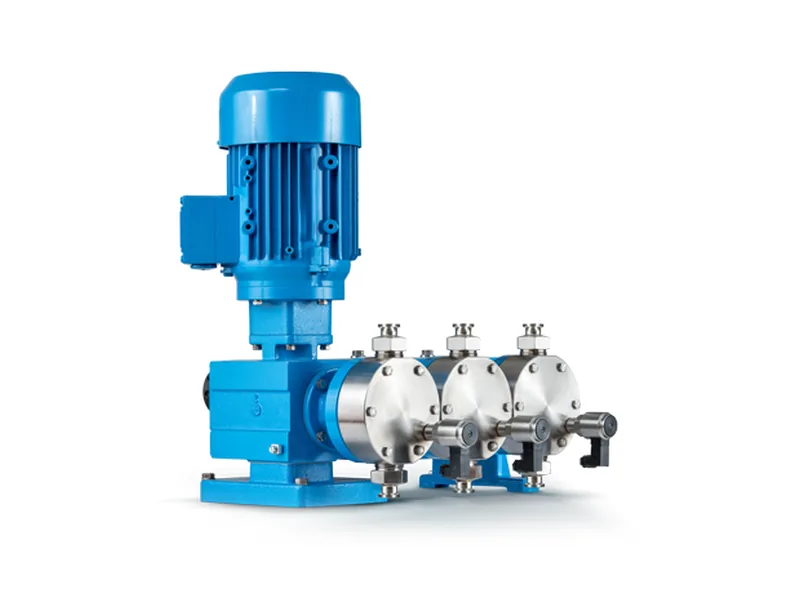
Figure 1: LEWA LEWA ecodos metering pump brochure. Image source: LEWA official website
Level 0: Daily Operator Checks
In a metering pump preventive maintenance schedule, daily checks come down to look, listen, touch and record. Look at the discharge pressure gauge, the pump head and the piping for leaks, and the oil level in the sight glass. Listen for unusual noise from the motor and gearbox. Touch the motor and gearbox housing to feel for overheating. Record running hours and pressure readings in the log.
If liquid appears at the diaphragm leak detection port, the diaphragm has probably failed. Stop the pump and report it straight away before chemical reaches the gearbox oil.
Level 1: Cleaning, Tightening and Lubrication
First-level service is done by an operator together with a fitter, without opening the pump head. In a typical metering pump preventive maintenance schedule it covers:
- Cleaning the pump body, motor and floor area, and flushing the suction strainer.
- Checking and tightening anchor bolts, pump head bolts, flanges and fittings.
- Checking gearbox oil level and condition. Dark, milky or metallic oil means an early change.
- Checking that the stroke adjuster moves freely and that the dial roughly matches actual flow.
- Checking the relief valve and back pressure valve for leaks, and electrical terminals for looseness.
Sign the service sheet when finished. Anything you cannot fix on the spot is carried forward to Level 2.
Level 2: What Second-Level Service Really Involves
Level 2 is the heart of any metering pump preventive maintenance schedule. The pump must be stopped, isolated and depressurised first. The difference from Level 1 is that you open the pump head and the check valves and inspect the wear parts directly.
Main Level 2 Tasks
Remove the suction and discharge check valves, clean the balls and seats, and look for scratches, crystals or deformation. Replace worn balls and seats as a pair. Open the pump head and inspect the diaphragm for bulging, cracks or hardening. Change the gearbox oil and inspect oil seals. On hydraulic diaphragm pumps, also check the hydraulic oil, refill valve and internal relief valve. After reassembly, measure flow with a calibration column and compare it with the set point.
Preparing for Level 2
Draw spares in advance: diaphragm, valve balls and seats, O-rings, gaskets and oil. Before opening the head, lock out the power, close the suction and discharge valves and drain the chemical from the head. Wear a face shield and gloves when handling acids or caustic. Our diaphragm pump disassembly steps walk through the teardown in order.
Level 3: Major Repair and Performance Recovery
A major repair is booked when Level 2 no longer restores performance. Typical signs are flow that stays low after a new diaphragm and valves, gearbox noise, or wear on the eccentric, connecting rod or crosshead. The drive end is stripped, bearings and worm gear are inspected, worn parts are replaced, and the pump is test run at no load and full load before flow is calibrated again.
Take the LEWA ecodos mechanically actuated diaphragm metering pump as an example. Its liquid end and drive end are clearly separated, so daily work and Level 2 mainly involve the head and valves, and only a major repair goes into the gearbox. Whatever the brand, a major repair in your metering pump preventive maintenance schedule is best done by the manufacturer or an experienced service shop, because original spares and correct assembly clearances matter.
Setting Intervals in Your Metering Pump Preventive Maintenance Schedule
Do not copy intervals blindly. Clean chemicals, continuous duty and moderate pressure allow longer intervals. Chemicals that crystallise, frequent start and stop, or operation close to rated pressure all call for shorter ones. A safe approach is to follow the manual for the first year, write down what you find at every teardown, and then tune your metering pump preventive maintenance schedule. If the diaphragm comes out looking new, stretch the interval. If the valve balls already show a worn step, shorten it.
For a day, week and month checklist, see our dosing pump maintenance schedule. Routine care details are in the metering pump maintenance guide.
Conclusion
A good metering pump preventive maintenance schedule uses daily checks to catch early signs, Level 1 for cleaning, tightening and lubrication, Level 2 to open the head, inspect the diaphragm and valves, change oil and calibrate, and a major repair to restore the drive end. Write down the tasks, owner and interval for every level, then refine the intervals using teardown records. If you are building a metering pump preventive maintenance schedule or buying mechanical diaphragm metering pumps and want to check spare parts lists and intervals, send us the pump model, chemical and running hours through our contact page.
FAQ
What separates Level 1 from Level 2 in a metering pump preventive maintenance schedule?
Level 1 does not open the pump head. It covers cleaning, tightening, lubrication and visual checks. Level 2 requires stopping and depressurising the pump, opening the head and check valves, and calibrating flow after reassembly.
Do I have to replace the diaphragm at every Level 2 service?
No. If the diaphragm shows no bulging, cracks or hardening, record its condition and refit it. If it is close to the replacement interval in the manual, changing it during the planned shutdown saves a second stop.
Do solenoid metering pumps need separate service levels?
Solenoid pumps have no gearbox and no oil, so there is much less to do. Daily checks plus periodic valve cleaning and diaphragm inspection are usually enough, and Levels 1 and 2 can be merged.
What if flow is inaccurate after a major repair?
Measure it with a calibration column first. If flow is low across the range, the stroke zero point or adjuster likely needs recalibration. If flow is unstable, check valve sealing and look for air entering the suction line.
What should a metering pump preventive maintenance schedule record?
At minimum record the date, level, tasks done, parts replaced, measured flow and pressure, problems found and actions taken, plus the technician's signature. These records are what you use to adjust intervals over time.