
Polymer Dosing System Installation: Water, Powder and Start-Up
A polymer dosing system installation is rarely difficult because of the tank. It goes wrong because one of three lines is wrong: the raw water, the dry powder or the finished solution. Low water pressure leaves fish-eyes and lumps. A damp hopper makes the powder bridge. A long, narrow suction line starves the pump that has to move a thick polymer solution. This guide follows the order a crew usually works in on a sludge dewatering or water treatment project, and it uses the ProMinent DULCODOS ULFb three-chamber unit as a reference where published figures help.
Polymer Dosing System Installation: Site Checks
Four things are worth confirming before a polymer dosing system installation starts:
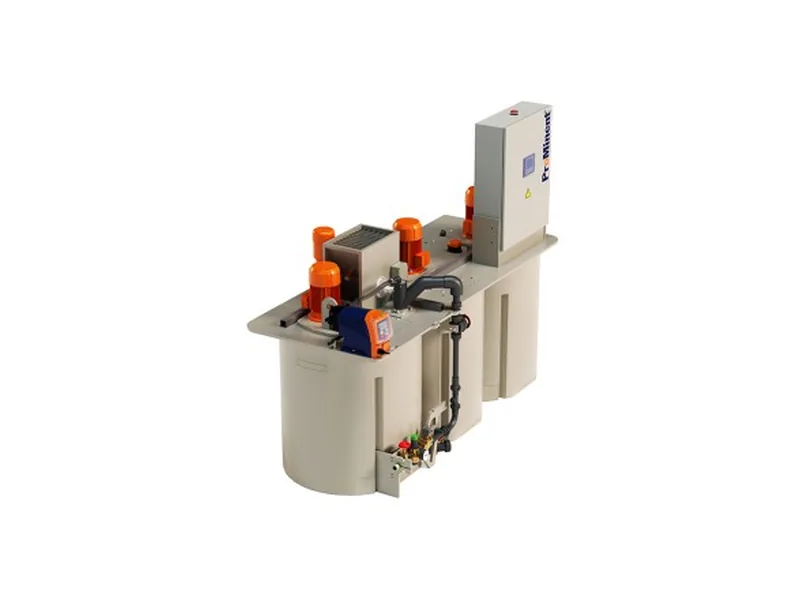
Figure 1: ProMinent DULCODOS ULFb three-chamber preparation unit. Image source: ProMinent official website
- Location. Put the unit close to the dewatering machine or injection point. Every metre of solution pipe adds friction with a viscous liquid.
- Water source. Potable or filtered water works best. Suspended solids in recycled effluent block wetting nozzles.
- Power. ProMinent lists a 380–420 VAC 50 Hz or 440–480 VAC 60 Hz supply for the ULFb. Size the feeder cable for the full connected load.
- Drainage. Put a floor drain near the tank drain valves so all three chambers can be emptied for cleaning.
The ULFb is offered in a normal and a mirror-inverted construction. Choose the hand at the ordering stage so the water inlet and solution outlet face the right way. Reversing it after a polymer dosing system installation is generally not possible.
Base, Levelling and Access
In a polymer dosing system installation, a raised concrete plinth about 100–150 mm high keeps wash-down water away from the tank base. Level the tank carefully. The chambers pass liquid over weirs or through openings, and a tilted unit runs one chamber higher than the others.
Leave access on three sides during this stage of the polymer dosing system installation. The hopper side needs room for someone to lift and empty bags. The control panel needs space for the door to open fully. The mixers need headroom so a shaft can be pulled out vertically. Use the lifting lugs supplied with the unit, and never lift a plastic tank by slinging under its base.
Raw Water Supply for Polymer Dosing System Installation
Unstable water is the most common fault after a polymer dosing system installation. Dry polymer only disperses properly if the water wets every particle at once. ProMinent specifies a raw water inlet pressure of 3–5 bar for the ULFb. The 500, 1,000 and 2,000 l/h sizes use a 1 inch water connection, and the required raw water flow is about 1.5 times the extraction rate at a 60 minute maturing time.
A typical supply line carries an isolation ball valve, a Y-strainer, a pressure reducing valve and a gauge before the unit's own solenoid valve and flow meter. Above 5 bar, reduce the pressure. Below 3 bar, add a booster pump. Avoid sharing the line with hose points used for wash-down, or concentration will swing every time someone opens a hose.
Powder Feeder and Hopper
Moisture is the main enemy of the powder feeder, and it is the point most often missed in a polymer dosing system installation. Keep the hopper away from steam, open tanks and wash-down taps. Damp polymer cakes, bridges over the screw and throws the feed rate out.
ProMinent lists a hopper vibrator and the FG205 powder conveyor as options. On a large sludge plant both are worth the cost. Wetting is done by either a Y-wetting device or a wetting cone. Whichever one is fitted, make sure the powder falls straight into the wetting zone with no ledges where it can collect and go sticky.
Solution Outlet, Transfer Pump and Post Dilution
Matured polymer solution is viscous. A polymer dosing system installation should therefore keep the outlet pipe short and generously sized. Run it from the final chamber outlet straight to the pump suction with few bends and no high points. Progressive cavity pumps or large-port diaphragm pumps are the usual choice, and the pump should sit below the tank level so it has a flooded suction. If a pump struggles, the causes are covered in our note on polymer pumps that will not draw.
Where the process needs a weaker solution, fit post dilution after the pump: an inline static mixer, a dilution water line and a flow meter. ProMinent lists post dilution units for working solutions of 1,000–50,000 l/h.
Wiring and Signals
Agree the signal list for the polymer dosing system installation with the plant control team before pulling cables. Running, fault and low level signals are usually wired back to the SCADA. Many projects add remote start and stop and a 4–20 mA feed signal. The ULFb can measure level with a pressure sensor or a DULCOLEVEL radar sensor. Mount a radar sensor away from the mixer shaft, or turbulence will make the reading jump.
Keep cable trays and water pipes on separate routes, and keep the panel clear of splashes.
Commissioning: Clean Water First
The last step of any polymer dosing system installation is to run the whole unit on clean water before any polymer goes in. Check the solenoid valve, the level switches, the flow between chambers and every drain valve for leaks. Then calibrate the powder feeder: collect its output for a fixed time, weigh it and compare it with the set point.
With chemistry in, let the first batch mature for the full time before use. ProMinent quotes 45 or 60 minutes for powder and 15 minutes for liquid polymer. The right figure depends on polymer grade and water temperature, so allow longer in winter. For sizing questions see the polymer dosing system selection guide, and for daily running see how to operate an automatic PAM dosing system.
Conclusion
A good polymer dosing system installation comes down to three habits: steady, filtered water at about 3–5 bar, a powder feeder kept dry, and a short, wide solution line feeding a flooded pump. Work through wiring and commissioning in order, water first and polymer second, and most start-up problems never appear. For packaged units see our dosing skids and the ProMinent brand page, or contact us for selection help.
FAQ
Can a polymer make-up unit be installed outdoors?
Not without protection. The powder feeder, motors and panel need a roof and rain cover at minimum, and cold climates also need frost protection.
Can recycled effluent be used as make-up water?
Yes, if it is filtered first. Solids and oil in recycled water block wetting nozzles and slow dissolving, so add a fine strainer and use potable water where available.
Can the solution pump sit above the tank?
It should not. Polymer solution is thick, so the pump needs a flooded suction below the tank liquid level, or it will cavitate and under-deliver.
How long does commissioning usually take?
Clean-water testing typically takes about half a day. After that, the first batch only needs its maturing time before it can be dosed.
Can I reuse the old solution pipes from a previous unit?
Inspect them before deciding. Old lines often carry a layer of aged polymer gel, and undersized pipe should be replaced rather than reused.