
How to Clear a High Pressure Alarm on a Metering Pump
A high pressure alarm on a metering pump is almost never the first sign that the pump itself has failed. In most plants it means the liquid has nowhere to go: a discharge valve left closed after maintenance, a crystallised line, a packed strainer or a plugged injection quill. Each stroke still pushes a fixed volume, so pressure rises in a few strokes. This note is for operators and technicians who need a clear check order, and a reminder of what not to do once the high pressure alarm is in.
What a high pressure alarm is actually telling you
Treat the high pressure alarm as a protection event, not as a pump fault code. The switch is doing its job. Your task is to find why pressure reached the trip point. The usual causes fall into a short list:
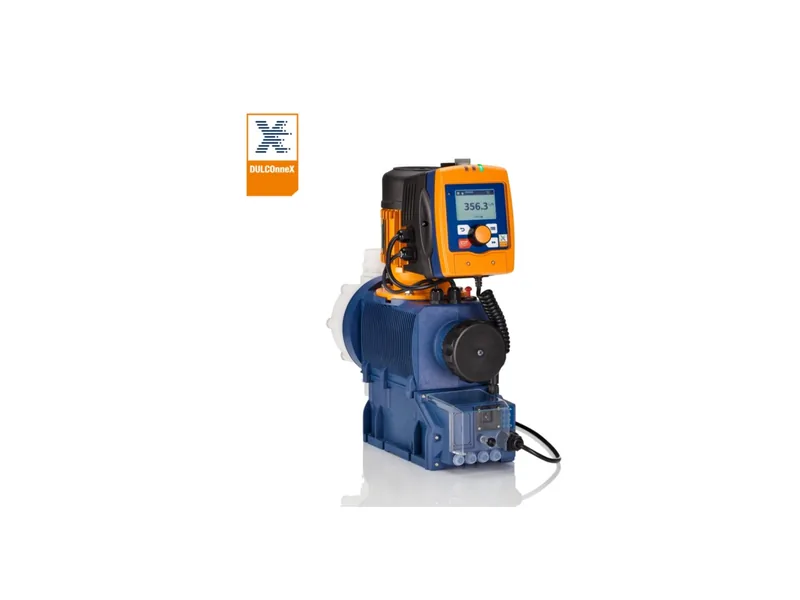
Figure 1: ProMinent Sigma X S2Cb motor-driven metering pump. Image source: ProMinent official website
- A closed or partly closed discharge valve, including a motorised valve that never fully opened after a shutdown.
- A blocked discharge path: crystals in a tee, a crushed hose, a dirty strainer, or a traced line that froze when tracing was left off.
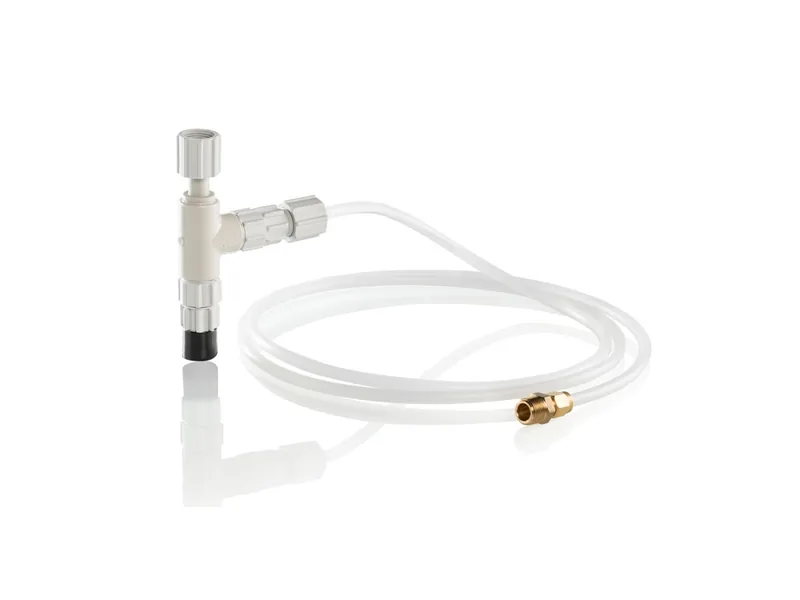
- A plugged injection quill. The gauge at the pump is high, yet almost no chemical reaches the process line.
- A relief valve set too low, or one that weeps, so the system alarms before you reach normal process pressure.
- A back-pressure valve screwed down too far, so ordinary pulsation sets off the high pressure alarm.
- Two pumps piped in parallel, with a leaking discharge check on the idle unit. The running pump is pressurising a dead leg.
The first three items account for most call-outs. The last three need a pressure reading and a look at valve positions before anyone starts replacing diaphragms.
Check the discharge path before you touch the pump
Look at the discharge gauge before you isolate power. If the needle is still high, the line is pressurised. Depressurise through the relief return or a dedicated vent before you break a joint, and stay off the line of the flange. For strong acids, caustic or sodium hypochlorite, that step is not optional.
Start with the valves. Confirm the discharge isolation valve and the injection valve are fully open, and that no bypass is shut in the wrong position. This takes a minute and is the item most often skipped after a permit is signed off.
Then open the strainer and walk the hose and heat tracing. A large differential across the strainer usually means the mesh is packed. Phosphate and polymer solutions drop solids quickly once the pump has been idle. A hose that has been stepped on looks like a pressure problem when it is really a pinched path.
Go to the injection point. A line can be clear in the skid room and blocked where it enters the process main. Depressurise both sides before you crack the quill loose.
Check the gauge itself. A closed snubber, a dry glycerine case or an oversized range will hide the real peak. When the reading swings, the peak may already have tripped the high pressure alarm while you only noticed the average. For pulsation checks, the same logic used in metering pump discharge pressure fluctuation still applies.
Do not raise the trip to clear a high pressure alarm
If the discharge path is open and pressure still climbs, turn to the protection settings. A back-pressure valve holds a stable working pressure on the pump. A relief valve dumps liquid when that pressure is exceeded. Where each one belongs is covered in dosing pump back pressure valve vs relief valve.
The relief set point should sit above normal working pressure and below the allowable pressure of the pump and the pipework. Winding the relief spring past the pump's rated pressure is the same as removing the protection. The high pressure alarm may go quiet. The next genuine blockage will then load the head, the hose or a fitting instead.
If the back-pressure valve is tighter than the relief valve, the pump fights the relief on every start, and a high pressure alarm becomes a routine event. Set the back-pressure valve for the process pressure you actually need, and leave a clear margin to the trip setting. Do not chase the alarm by tightening the back-pressure valve.
On skids that trip from a pressure switch or transmitter, confirm the set point and the tap location. A tap upstream of the discharge isolation valve tells you something different from a tap downstream of it. Interlock practice is described in pressure transmitter for dosing pumps.
Hydraulic diaphragm pumps also have an internal relief that protects the oil circuit. That valve is not a substitute for the line relief. If it chatters, follow the maker's oil-system checks. Do not treat it as evidence that the process line is blocked.
When you can restart after a high pressure alarm
Do not reset and restart until you know why the high pressure alarm occurred. Each forced start puts another stroke of pressure into a blocked line.
A safe restart looks like this. The discharge valve is open, the strainer is clean, the injection point is clear, and the line has been vented. Jog the pump once and watch the gauge. If pressure returns to the normal band and the high pressure alarm stays off, you can put the unit back in service. If pressure climbs again, stop immediately and keep looking for the restriction. Do not "fix" a high pressure alarm by raising the trip or the relief set point.
If a temporary set-point change is unavoidable, only a competent person should do it, the original value must be written down, and the setting must be restored once the line is cleaned. Using the relief valve as a regulating valve is a dangerous habit on a chemical feed skid.
When you specify a metering pump, leave a margin between normal discharge pressure and the pump rating, and include a gauge, a relief valve and a serviceable strainer on the discharge. If the duty is unclear, contact us with flow, pressure and chemical data so the protection can be checked.
Conclusion
A high pressure alarm should send you to the discharge path and the protection settings, not straight to a pump rebuild. Check valves and pipework first, then the injection point, then the relief valve, back-pressure valve and pressure interlock. Do not restart against a live high reading, and do not wind up the relief spring just to silence the high pressure alarm. Most events clear once the line is open again. If the same high pressure alarm keeps returning, look at crystallisation, heat tracing and the standby pump's discharge check.
FAQ
Does a high pressure alarm mean the relief valve has failed?
Usually not. In most cases the line is blocked and the relief valve is doing what it should. Confirm that the valves, strainer and injection point are open before you assume the relief is leaking or set too low.
Can I reset and restart as soon as the light goes out?
Not if the gauge is still high, and not if you have not found the cause. Depressurise, open the discharge path, jog the pump and watch the pressure. Only then should the unit go back into automatic.
Will tightening the back-pressure valve stop the trips?
No. The back-pressure valve is there to hold working back pressure and to limit siphoning, not to suppress a high pressure alarm. If you over-tighten it, normal pressure sits against the trip setting and ordinary pulsation will trip the pump again.
Why does the running pump trip when a duty/standby pair is installed?
Check the idle pump's discharge check valve. If it leaks, the running pump is pushing into a dead end and can trigger a high pressure alarm even though its own discharge valve is open. Replace a check that will not seat; do not keep hunting on the running unit alone.
Our solenoid pump has no relief valve. How do we protect the line?
Many solenoid pumps rely on their own pressure limit and an over-pressure cut-out. You should still fit a line relief and a gauge, especially on long small-bore runs or with chemicals that crystallise. The pump may stop itself. The hose and fittings may not survive the same high pressure alarm event.