
Metering Pump Electrical Grounding: Fixing a Live Pump Housing
An operator says the pump housing gives a slight tingle. Or the residual current device in the panel keeps tripping every few days. Both cases call for the same response: stop the pump, isolate it, and treat it as an earth fault until proven otherwise. Dosing rooms have wet floors and chemical splash, so a fault on a mechanical diaphragm pump carries more risk here than in a dry workshop. Most of these faults trace back to metering pump electrical grounding, insulation, or water in the wrong place.
Confirm there really is leakage
A tingle is a feeling, not a measurement. Use instruments:
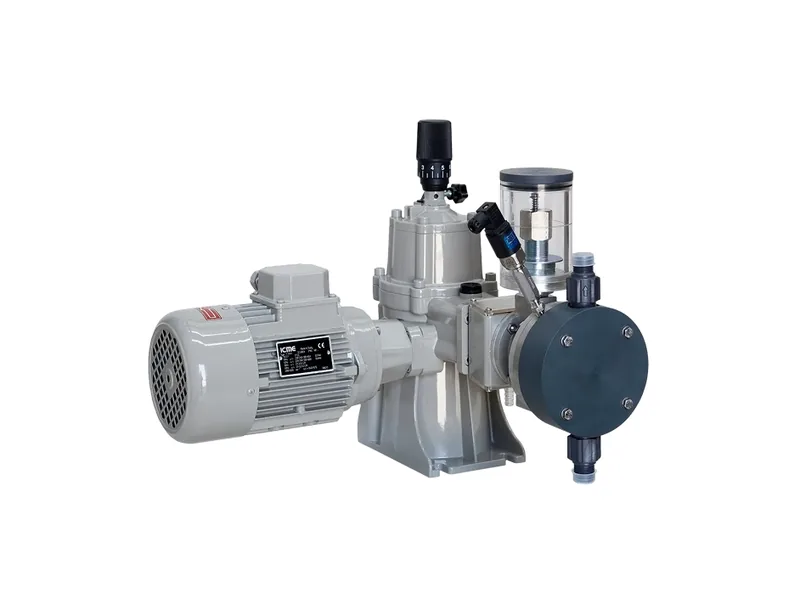
Figure 1: Doseuro Rapida 2.0 mechanical diaphragm pump. Image source: Doseuro official website
- Touch a voltage tester to the pump body and motor frame and see whether it lights.
- Set a multimeter to AC volts and measure from the housing to a known earth. With sound metering pump electrical grounding, the reading should be close to zero. Tens of volts or more means leakage or a failed earth path.
- Look at the RCD trip pattern. Does it trip at start-up, after the pump has run for a while, or only in wet weather?
Tripping at start-up usually points to an insulation breakdown. Tripping after a run often comes from insulation that weakens once the motor warms up. Tripping only when it rains is nearly certain to be moisture.
Common causes of a live pump housing
In rough order of how often we meet them on site:
- A broken, loose or missing earth conductor. This is the most common. The pump insulation may be fine, but induced voltage or a small leak has nowhere to go. Poor metering pump electrical grounding is the first suspect.
- Water in the terminal box, through an aged cover gasket, a loose cable gland, or hose-down splash.
- Damaged cable, eaten by chemical, worn through against pipework, or chewed by rodents.
- Motor winding insulation that has dropped through damp, long-term overheating or age.
- Chemical that has run from a leaking pump head along the housing into the motor.
How to check metering pump electrical grounding
Grounding is the first line of defence against shock, so check metering pump electrical grounding before anything else:
- With power isolated, open the terminal box. Find the earth terminal and confirm the conductor is tight and free of corrosion.
- Follow the earth conductor back to the panel or earth bar. It must be continuous, with no breaks or loose joints along the way.
- Set the multimeter to resistance and measure from the pump body to the earth bar. The value should be very low. A clearly higher reading means poor contact somewhere in the metering pump electrical grounding path.
Some sites run a three-core cable and simply cut the earth core off to save time. If you find that, restore the metering pump electrical grounding before the pump runs again. See mechanical diaphragm pump wiring for terminal layouts.
Testing motor insulation
If the metering pump electrical grounding is sound but the housing is still live, test the motor insulation. Use a 500 V insulation tester (megger) and work in this order:
- Isolate the supply and disconnect the incoming cable at the motor terminals. Do not test through a variable frequency drive or control board, as the test voltage can destroy electronics.
- Measure each phase winding to the frame.
- Measure phase to phase.
As a rule of thumb, a low-voltage motor reading below 0.5 MΩ should not go back into service. It needs drying or rewinding. Readings of several megohms or more mean the winding is basically healthy, and the fault is more likely in the cable or terminal box.
Drying out a wet terminal box
Water in the terminal box is the easiest fault to fix:
- Isolate, open the cover, wipe out the water and dry the terminals with a hot air gun.
- Check the terminals for corrosion and replace any that are badly rusted.
- Fit a new cover gasket, tighten the cable gland, and add sealing compound where needed.
- Route the cable so the entry faces down or has a drip loop, so water cannot run along the cable into the box.
Test the insulation again after drying. Only power up when the reading passes and the metering pump electrical grounding is confirmed.
Damaged cable and damp motors
For damaged cable, find the damaged point. Wrapping it in tape is a poor fix, so replace the full run. In dosing rooms, run cables in conduit or on trays, away from the pump head and chemical lines.
A damp motor with low insulation can be removed and dried. If insulation recovers, it can go back into service. If drying does not help, rewind or replace the motor. When chemical has got into the motor, the winding is usually corroded, and replacement is the simpler choice. Fix the pump head leak at the same time, or the new motor will go the same way.
Checks before you switch back on
Do not just close the breaker after a repair. Work through this list:
- Test motor insulation once more and record the reading.
- Confirm metering pump electrical grounding is tight at both the pump and the earth bar.
- Confirm the terminal box cover and cable glands are sealed.
- After power-up, measure housing-to-earth voltage again with a tester and multimeter.
- Jog the motor and check motor rotation is correct.
Keeping a test record
A simple log makes the next fault much quicker to find. For each pump, note the date, the insulation readings per phase, the earth resistance reading, and anything you changed. Over a few seasons you will see which pumps drift down before the wet months, and you can dry or reseal them before the RCD starts tripping. Keep the metering pump electrical grounding readings alongside the insulation figures, because a slowly rising earth resistance is an early warning of a loosening joint or corroding terminal. A pump that shows a steady fall in insulation each year is a candidate for a planned motor change rather than an emergency one.
Preventing leakage faults
- Give each pump its own RCD rather than sharing one across several.
- Inspect metering pump electrical grounding regularly, and again after any retrofit or relocation.
- Do not hose water directly onto the motor or terminal box when washing floors.
- Deal with pump head leaks promptly so chemical does not reach the motor.
- Test insulation on outdoor pumps before each rainy season.
Take the Doseuro Rapida range as an example: the manual sets out the wiring and earthing requirements, and Doseuro metering pump wiring covers the terminal details.
Conclusion
When a mechanical diaphragm pump housing feels live, stop and isolate the pump, then confirm the leakage with instruments. The most common cause is failed metering pump electrical grounding, followed by water in the terminal box, damaged cable and weak motor insulation. Check earth, insulation, terminal box and cable in that order, and only switch back on after the insulation passes and the earth is confirmed. A dedicated RCD per pump, regular metering pump electrical grounding checks and good protection from water prevent most of these faults.
Need a replacement motor, cable or an on-site fault check? Contact us.
FAQ
The housing tingles but the RCD has not tripped. Why?
Usually the metering pump electrical grounding has failed, so leakage current has no return route the RCD can detect. That situation is more dangerous, not less.
What test voltage should I use for insulation testing?
For low-voltage motors, a 500 V insulation tester is typical. Disconnect any electronics first.
Can I keep running a motor with low insulation?
No. Dry or repair it, and only power up once the insulation passes.
Is wiping out a wet terminal box enough?
Dry it fully, check for corrosion, replace the seals, then test insulation before switching on.
Can several pumps share one RCD?
It is not recommended. Fit one per pump so one fault does not stop the others.