
Metering Pump Drive Shaft Failure: Causes, Checks and Repair
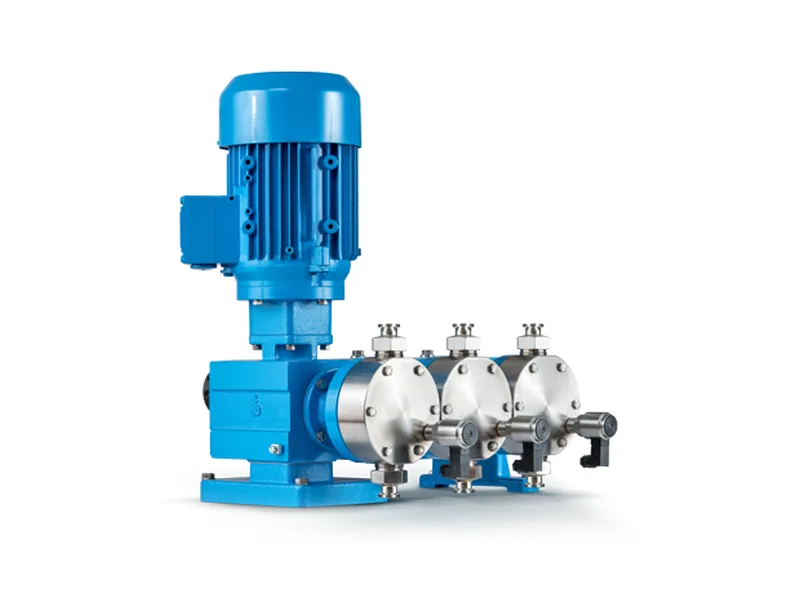
The motor is turning, but the pump delivers nothing and the stroke indicator does not move. Or the gearbox knocks and the oil runs hotter every week. In most cases the problem sits in the power end, and a damaged metering pump drive shaft or one of its neighbours is the usual suspect. These repairs take more effort than a diaphragm change, but most are fixable. The real goal is making sure the pump does not fail the same way a month later.
This article covers motor-driven mechanical diaphragm, hydraulic diaphragm and plunger pumps. Solenoid pumps have no gear train and are not covered here.
How the drive train works
A motor-driven metering pump usually transmits power like this:
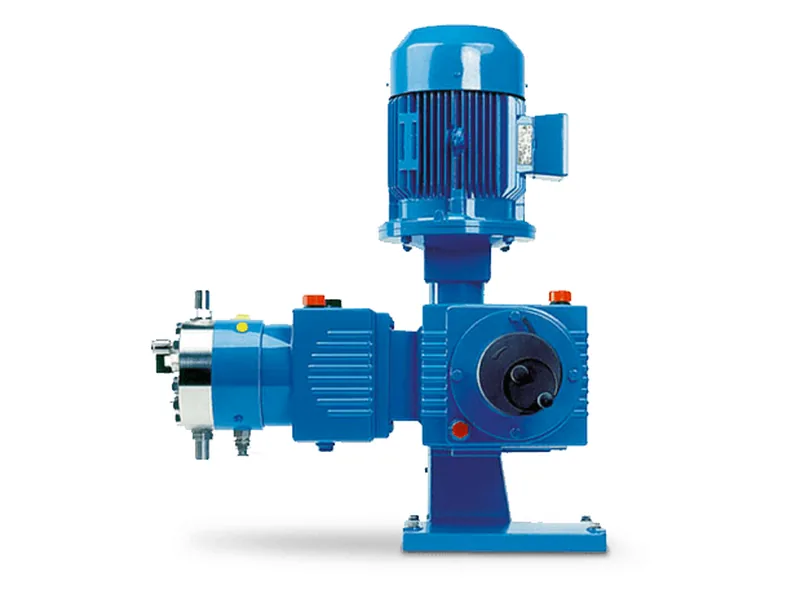
Figure 1: LEWA ecoflow diaphragm metering pump. Image source: LEWA official website
- The motor drives the worm or input shaft through a coupling.
- The worm drives a worm wheel, reducing speed and increasing torque.
- An eccentric or crank on the wheel shaft turns rotation into reciprocating motion.
- A connecting rod and crosshead move the plunger or diaphragm pushrod.
- The stroke adjustment mechanism changes eccentricity or travel to set flow.
The metering pump drive shaft, keys, bearings and oil seals sit along this chain. If one link breaks, everything after it stops.
Symptoms of metering pump drive shaft damage
On site, look for these patterns:
- Motor runs, pump does not stroke: a sheared key, slipping coupling or broken metering pump drive shaft. This is the most common case.
- Knocking or grinding: worn bearings, damaged worm wheel teeth or excess crosshead clearance.
- Hot gearbox: low or degraded oil, or excessive load.
- Oil at the shaft end: a worn seal, or a metering pump drive shaft already grooved by the seal lip.
- Falling flow or poor stroke control: worn or sticking adjustment mechanism.
If the pump still runs but sounds wrong, stop it. Running on makes the damage worse and the repair more expensive.
Why drive parts fail
Overpressure
This is the leading cause. A closed discharge valve, blocked line or scaled injection point drives pressure up. Without a working relief valve, the full load lands on the metering pump drive shaft and worm wheel, and the weakest point gives way, often the key or the shaft itself.
Lubrication
Low oil, the wrong grade or oil left too long accelerates wear on gears and bearings. Water or chemical ingress emulsifies oil and destroys lubrication. Our article on dosing pump oil leaks covers the usual leak paths.
Misalignment
A misaligned coupling puts an extra bending load on the metering pump drive shaft every revolution. Bearings go first, then the metering pump drive shaft can fail by fatigue. Check alignment on any pump where the motor or baseplate has been disturbed.
Adjusting stroke the wrong way
Some designs require stroke adjustment only while stopped, others only while running. Doing the opposite can damage the adjuster and drive parts.
Inspection and repair sequence
Work through the repair in this order:
- Isolate and lock out power, relieve discharge pressure and drain the liquid end.
- Drain the gearbox oil and check its colour and any metal particles. Heavy debris points to serious internal wear.
- Remove the coupling and inspect keys, keyways and the coupling element.
- Open the gearbox and examine worm wheel teeth, worm, bearings and the metering pump drive shaft for cracks, breaks or spalling.
- Check crosshead, connecting rod and adjuster clearances.
- Replace damaged parts along with oil seals and gaskets, then refill with the specified oil.
- Turn the pump by hand, run it unloaded, then bring it up to pressure once it runs quietly.
Photograph and mark parts during strip-down to make reassembly easier. Use genuine spare parts where possible; our spare parts list helps with planning.
Repair or replace
- Only the key, coupling, seal or bearing is damaged: repair. It is cheap and quick.
- The metering pump drive shaft is broken but the worm wheel is fine: replace the shaft and check the bearing housings.
- Worm gear badly worn or the housing cracked: with long lead times, consider an exchange gearbox or a complete pump.
For imported pumps such as LEWA, drive parts are usually ordered against the serial number. Send nameplate data to the manufacturer to confirm part numbers and lead time before choosing a repair route.
Preventing repeat failures
- Fit a discharge relief valve and test it regularly, with its outlet visible or piped back to the tank.
- Change oil at the interval in the manual, usually a few thousand running hours or about a year.
- Realign the coupling whenever the motor or baseplate is moved.
- Fit a discharge pressure gauge and, where possible, a pressure switch that trips the pump on overpressure.
- Listen to and touch-check the gearbox on routine rounds, and keep records.
For heat-related diagnosis on the power end and liquid end, see our article on diaphragm pump overheating.
Conclusion
Metering pump drive shaft damage usually shows as a running motor with no stroke, noise, heat or oil leaks. The root causes are mostly overpressure, poor lubrication and misalignment. Repair in a fixed order: isolate and depressurise, drain and inspect the oil, check the coupling, open the gearbox, replace parts and seals, then test by hand, unloaded and under pressure. Fixing the cause matters as much as fixing the part.
For failure analysis or drive spare parts, contact our service team.
FAQ
The motor runs but the pump does not deliver. Is the shaft broken?
Possibly. It may also be a slipping coupling or sheared key. Check the coupling first before opening the gearbox.
How often should gearbox oil be changed?
Typically every few thousand running hours or about once a year, per the manual. Change it sooner if it turns milky or dark.
Can a broken metering pump drive shaft be welded?
Not recommended. Welding compromises strength and concentricity, and the shaft is likely to fail again. Replace it.
Why did the repaired pump fail again?
Usually because the cause remained: a faulty relief valve, misalignment or wrong oil. Check each after repair.
Which seals should be replaced during repair?
Replace oil seals, gaskets and O-rings whenever the gearbox is opened. Reused seals tend to leak.