
Doseuro Pump Wiring: Star/Delta Motor, 4-20mA Actuator and VFD
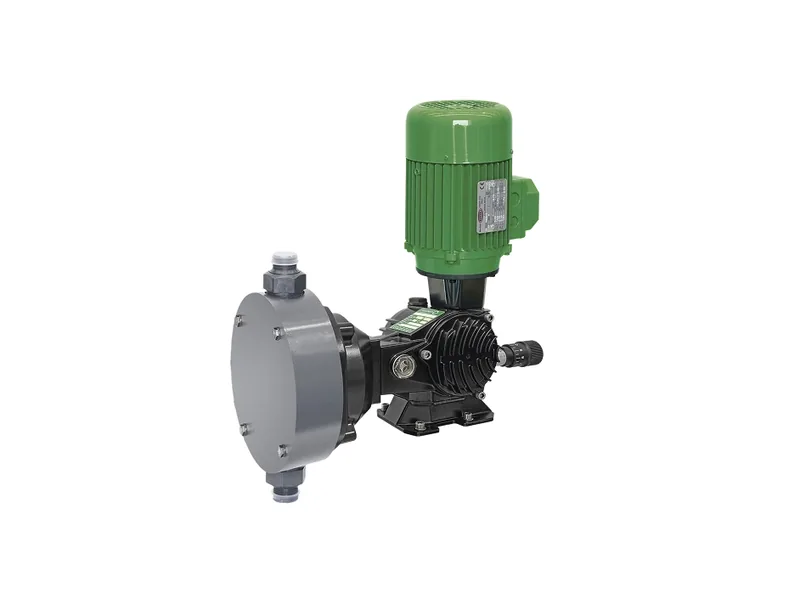
Doseuro pump wiring is really two jobs: the motor power circuit and the control circuit that sets stroke length or speed. On many sites the motor gets connected, the pump runs, and only later does someone discover that nobody pulled a signal cable for the automatic control. This guide walks through both circuits using the factory literature. Exact terminal numbers always come from the manual for your model, so treat this as the logic, not a substitute for the wiring sheet in the box.
Doseuro pump wiring starts at the motor nameplate
Doseuro motor-driven pumps use 4-pole motors built to IEC and NEMA standards. On the Model D mechanical diaphragm pump, motor power runs from 0.18 to 0.75 kW. The nameplate shows two voltage ranges, and that is what decides your connection.
The European data sheets list the standard three-phase motor like this:
- 50 Hz: 220–240 V in delta (Δ), 380–415 V in star (Y).
- 60 Hz: 220–280 V in delta, 380–480 V in star.
- Single-phase motors: 230 V, 50 Hz as standard.
The US catalog adds three-phase 208–230/460 V 60 Hz motors and 115 V single-phase options. Non-standard voltages and insulation classes are available, so check the plate on arrival instead of assuming what you ordered.
Star or delta in Doseuro pump wiring
On a 400 V or 460 V three-phase supply you will almost always wire the motor in star. Delta is for the low-voltage range, such as a 230 V three-phase network. The terminal box lid normally carries a diagram showing where the links go.
A common Doseuro pump wiring mistake: someone sees "star/delta" on the plate and orders a star-delta starter. These are small motors and start direct-on-line without trouble. The dual rating only tells you the motor accepts two supply voltages; it says nothing about the starting method.
After the links are set, jog the motor and check rotation. Set the overload relay to the nameplate current and always connect the earth conductor, even on a pump with a PVC head. Good Doseuro pump wiring practice is boring, and boring is what you want here.
Stroke actuator signals in Doseuro pump wiring
Doseuro plunger and hydraulic diaphragm pumps offer three ways to set stroke length, each with its own option in the model code:
- Manual: on the PDP series, a linear micrometer screw that can be adjusted with the pump stopped or running.
- Electric: a servo motor actuator driven by a 4-20 mA signal, with PROFIBUS or other bus interfaces on request.
- Pneumatic: a pneumatic servo control using a 3–15 PSI signal.
For a 4-20 mA actuator you are running two circuits: supply power for the actuator itself and the analog signal from the PLC or controller. Use shielded cable for the signal, route it in its own conduit away from motor power, and ground the shield at one end only. Whether the actuator has a position feedback output, and which terminals it uses, depends on the model; follow the manual. For how signal maps to flow, see our guide to 4-20mA and pulse control.
RAPIDA 2.0 inverter: Doseuro pump wiring for speed control
If you would rather vary speed than stroke, Doseuro offers the RAPIDA 2.0 inverter motor for the spring-return SR series. It combines a three-phase asynchronous motor with an inverter board and an internal transformer, so the supply is single-phase 220 V. That makes Doseuro pump wiring simpler than a standard three-phase pump.
The board accepts a useful set of signals:
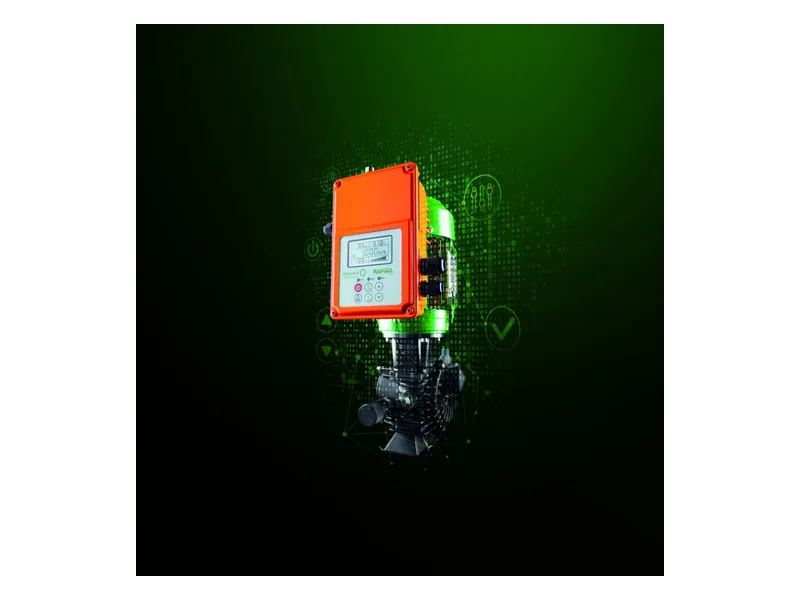
Figure 1: Doseuro RAPIDA 2.0 inverter motor. Image source: Doseuro official website (FPZ)
- Analog input: 4-20 mA, 0-20 mA, 0-10 V or 2-10 V.
- RS485 serial port with Modbus RTU.
- Level sensor input, so the pump can stop when the tank runs low.
- Remote alarm relay output for any fault.
The display shows current flow in L/h or GPH, speed percentage or frequency, and the software adds batch dosing, timed start and a priming mode. The factory says it can be fitted to existing SR pumps, which helps when an old installation moves to automatic control.
Using a general-purpose VFD instead? Do not put a contactor between the drive and the motor, think about motor cooling at low speed, and program the drive from the nameplate data. How low you can safely run depends on the model, so check the manual.
ATEX and hazardous-area Doseuro pump wiring
Every Doseuro series can be supplied in an ATEX version, and the US catalog lists motors for hazardous locations. Hazardous-area Doseuro pump wiring adds a few steps:
- Use certified cable glands that match the cable diameter.
- Actuators, level switches and other accessories need the same protection rating.
- Confirm the local certification your site requires before the pump ships, not after.
For other start-up issues, read our Doseuro installation and troubleshooting guide. For a brand-neutral view of motor-driven pumps, see mechanical diaphragm pump wiring.
Commissioning checks after wiring
Once the Doseuro pump wiring is complete, do not jump straight to full stroke. Set stroke or speed low, jog to confirm rotation, then run a few minutes and listen to the gearbox. Next, sweep the 4-20 mA signal from low to high and confirm the actuator moves the way the controller display says it should. If it runs backwards, the fix is usually in signal settings, not in the motor wiring. Finally, measure running current and compare it with the nameplate; a high reading points you to discharge pressure or the back-pressure valve.
Conclusion
Doseuro pump wiring is straightforward once you split it in two. The power circuit follows the nameplate: star for 380–415 V, delta for the low-voltage range. The control circuit depends on the model code: a 4-20 mA actuator, a pneumatic actuator, PROFIBUS, or a RAPIDA 2.0 inverter motor. Terminal numbers and feedback wiring come from the model manual, and hazardous areas need every accessory checked. Send us a photo of the nameplate and the model code through our contact page and we will confirm the connection, or browse the Doseuro brand page.
FAQ
Should a Doseuro pump be wired in star or delta on 400 V?
Star. The 380–415 V range on the plate is the Y connection, and delta is only for low-voltage three-phase supplies. Jog the motor to check rotation before running.
Do I need a star-delta starter?
No. These motors are small enough to start direct-on-line. The Δ/Y marking just means the motor accepts two supply voltages.
Does the 4-20 mA stroke actuator have position feedback?
It depends on the actuator model. Ask for feedback when you order, and take the terminal layout from the model manual.
Can RAPIDA 2.0 be added to an existing Doseuro pump?
The factory says it fits existing SR series pumps. For PDP plunger pumps or other series, confirm with the manufacturer first.
Can a standard VFD be used in Doseuro pump wiring?
Yes, on a standard three-phase motor. Avoid contactors between drive and motor, watch cooling at low speed, and take the minimum speed from the model manual.