
Manual Control Metering Pump: Where Hand Adjustment Is Enough
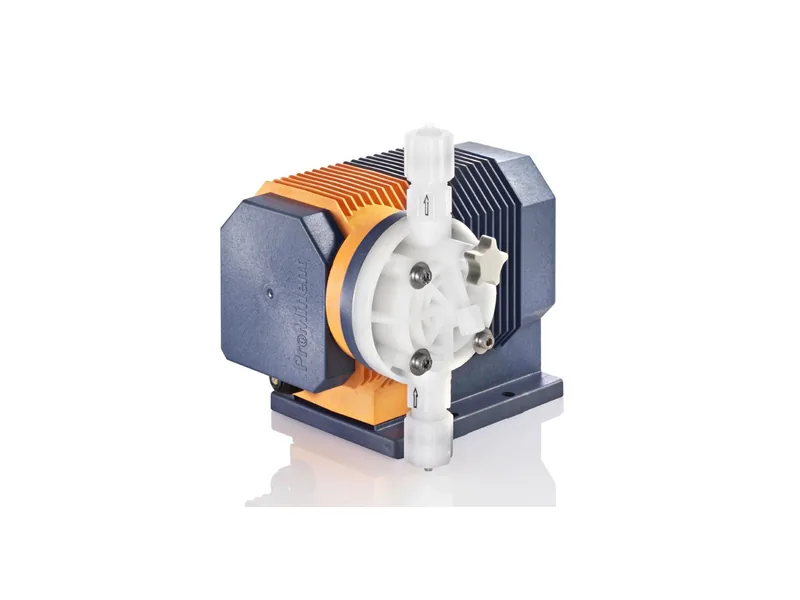
A manual control metering pump fits jobs where the dose hardly changes, the process moves slowly and there is no analyzer or flow signal on site, so an operator adjusting it now and then is enough. Where flow and water quality swing, where the dose must follow a signal, or where the pump must be interlocked with other equipment, manual control cannot keep up. This article is for operators of small treatment plants and engineers deciding whether automatic control is worth the extra cost.
How a Manual Control Metering Pump Is Adjusted
On a manual control metering pump, someone sets the output directly on the pump rather than letting an external signal change it. There are two usual ways:
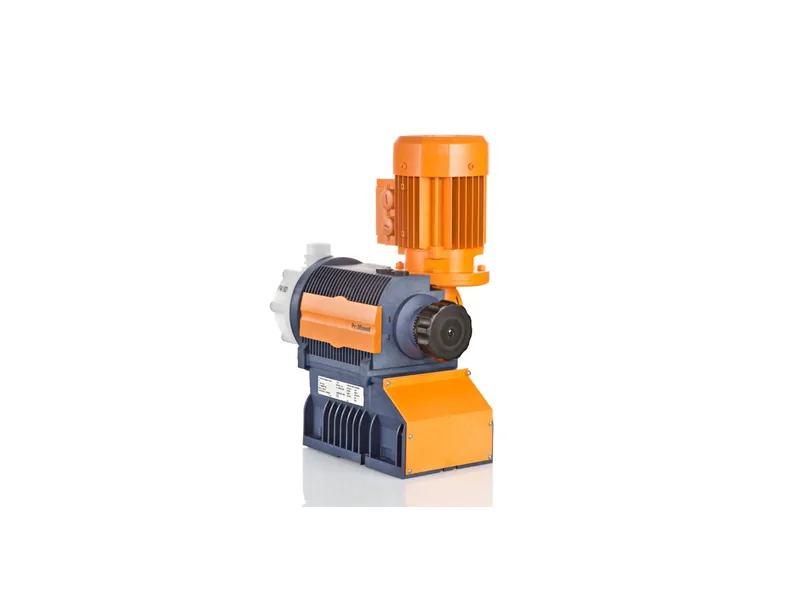
Figure 1: ProMinent Sigma/1 basic type motor-driven pump. Image source: ProMinent official website
- Stroke length. A knob or handwheel changes the volume the diaphragm pushes on each stroke. Most motor-driven mechanical diaphragm pumps work this way.
- Stroke rate. On a solenoid pump, the panel sets strokes per minute; a motor pump can get a manual speed controller.
Either way, you set a value and the pump keeps delivering it. The mechanics of stroke adjustment are covered in adjusting a diaphragm metering pump while running.
Typical Jobs for Manual Stroke Adjustment
A manual control metering pump is usually enough when:
- The treated flow is essentially constant, such as a fixed-output reverse osmosis unit or a small package plant fed by a constant-speed pump.
- Chemical demand changes slowly, like antiscalant top-up in a cooling tower or inhibitor in a closed loop, where a weekly adjustment is fine.
- There is no analyzer and no flow meter signal, so automatic control would have nothing to follow.
- You are running tests, pilots or temporary dosing, where easy setpoint changes matter more than unattended operation.
- It serves as a standby pump that holds a fixed dose if the main control system fails.
Here the simple design is an advantage. There is no signal to fail, and anyone can read the dial and know roughly what the pump is doing. A reverse osmosis unit with steady output is a good example: once the antiscalant dose is set, the pump can run for months untouched as long as the chemical concentration stays the same. Adding flow-paced control there mostly adds parts that can fail.
Where Manual Control Falls Short
A manual control metering pump tends to cause trouble in these cases:
- Highly variable inflow, such as municipal sewage or storm season, where a fixed dose is either too little or wasted.
- Chemicals controlled on water quality, like pH neutralization or chlorine disinfection, where overdosing and underdosing both carry risk.
- Interlocks required. If the main pump stops and the dosing pump keeps going, chemical collects in the line or even backflows.
- Unattended sites, where nobody is there to readjust when conditions change.
Hypochlorite disinfection and acid or caustic neutralization should not rely on manual control alone. For a full comparison of control modes, see manual, flow-paced and closed-loop dosing control.
Setting a Manual Control Metering Pump Accurately
The dial is not the real flow. Scales are based on standard conditions, and actual back pressure, suction lift and viscosity all shift the output. Calculate the approximate stroke percentage, start the pump, measure real output with a calibration column at operating conditions, then fine-tune. Our guide to reading real flow from a calibration column explains the method.
Avoid running a large pump at a very short stroke for long periods. Repeatability often suffers at short stroke settings, and a correctly sized pump is the better fix. We see this often on retrofits: a plant reuses an oversized pump from an old project, turns the stroke down to a few percent and then wonders why the dose drifts from week to week. Sizing a manual control metering pump so the normal setting sits in the middle of its range gives the operator room to adjust in both directions.
Common Problems With a Manual Control Metering Pump
Most problems are about management rather than hardware:
- A new shift has no idea why the dial is set where it is.
- The chemical concentration changed but the setting did not.
- The knob was bumped, or the locking screw was never tightened.
Hang a setting card by the pump with chemical strength, setpoint, measured flow and date. Lock the adjustment after setting it, and glance at the dial at every shift change.
Planning for an Upgrade Later
Even if you start with manual control, a pump that can accept an external signal later keeps options open. The ProMinent alpha is a motor-driven metering pump adjusted by manual stroke length, suited to steady continuous dosing, and the Sigma/1 basic type also uses manual stroke adjustment; check ProMinent documentation for current details. See our metering pump range and the ProMinent brand page.
Conclusion
A manual control metering pump suits steady flow, slow-changing demand, sites without signals, testing and standby duty. Variable flow, closed-loop chemicals, interlocks and unattended sites call for flow-paced or automatic control. When you do use a manual control metering pump, calibrate at real conditions, avoid tiny stroke settings and keep a setting record. If you are not sure which control mode fits, send us your flow, chemical and site conditions and contact our engineers.
FAQ
Can a manual dosing pump be converted to automatic control?
It depends on the model. Some accept an external signal with a controller added; purely manual models often need a new pump or a variable frequency drive.
Can I adjust stroke length while the pump is stopped?
Many mechanical diaphragm pumps should only be adjusted while running. Forcing the knob at standstill can damage the mechanism. Follow the manual.
How often should I recheck the flow?
Whenever concentration, back pressure or seasonal temperature changes, plus a routine calibration column check.
On a solenoid pump, is adjusting stroke rate or stroke length more accurate?
Usually set stroke length fairly high and adjust flow with stroke rate. Repeatability is better that way.
Does a manual control metering pump need a back pressure valve?
Yes, when the discharge is near atmospheric or siphoning is possible; otherwise real output exceeds the setting.