
Hospital Water Reuse Dosing: Disinfection and Chlorine Residual
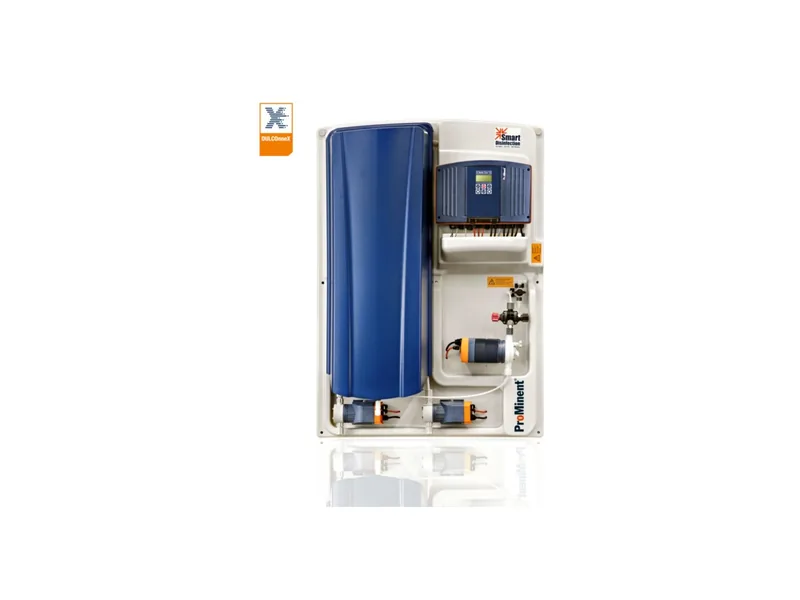
Hospital water reuse comes down to disinfection and residual. After the treated effluent has been polished, chlorine dioxide or sodium hypochlorite goes in ahead of the clear well, the water gets enough contact time, and a residual is held all the way to the far end of the network that feeds toilets, irrigation and yard washdown. Compared with a housing estate, a hospital is far less tolerant of pathogens, so dosing has to be continuous, measured and backed up. This guide is for hospital facilities managers and the operators who run their treatment plants.
Where hospital water reuse sources come from
Most hospital water reuse schemes draw from one of two sources:
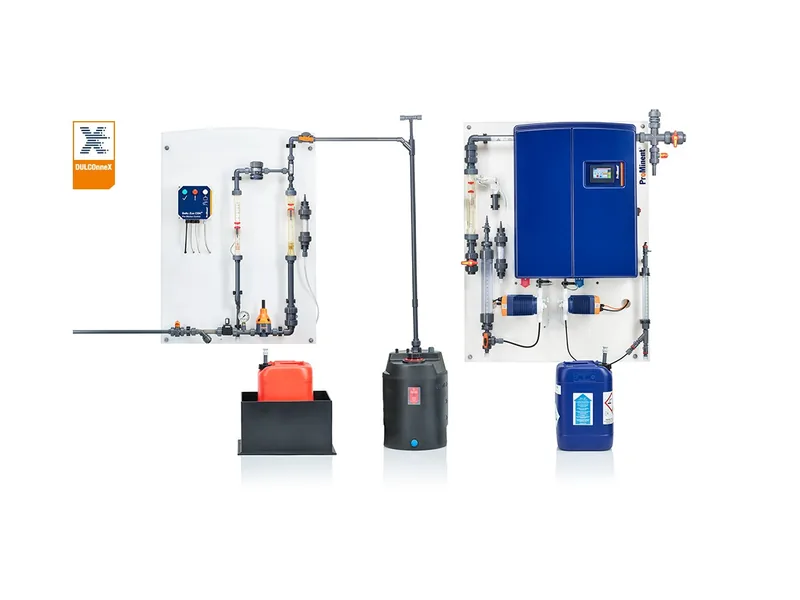
Figure 1: ProMinent Bello Zon CDKd chlorine dioxide generator. Image source: ProMinent official website
- Effluent from the on-site medical wastewater plant, already treated and disinfected once, then sent on to tertiary treatment.
- Light greywater such as AHU condensate, shower and basin water, collected separately and relatively clean.
When medical wastewater is the source, the first disinfection step is the first line of defense; our guide to hospital wastewater disinfection covers it. Once the water enters the reuse train, it is treated and disinfected again.
A typical hospital water reuse train
The usual sequence looks like this:
- An equalization tank to even out flow and quality.
- Biological treatment or an MBR to remove organics and ammonia.
- Coagulation and filtration, or ultrafiltration, to bring turbidity down.
- Disinfection ahead of the clear well, with adequate contact time.
- A reuse tank and booster pumps feeding toilets, irrigation and other non-potable points.
Most water reuse dosing happens at step 3, with coagulant, and step 4, with disinfectant. Some plants also trim pH ahead of tertiary treatment.
Choosing a disinfectant for water reuse
Hospitals usually pick one of two chemicals:
- Chlorine dioxide. Strong on bacteria, viruses and spores, little affected by pH, and with fewer byproducts. It is normally generated on site and dosed straight in. System layout is covered in chlorine dioxide dosing systems.
- Sodium hypochlorite. Simple equipment, easy to buy, and the residual lasts longer in the pipework. Working out the dose is explained in hypochlorite dosage for reclaimed water.
The choice usually depends on source quality, how long the network is, and what the hospital already runs. A site that already has a chlorine dioxide generator often just adds another injection point for the reuse system.
Holding the residual
The number that matters most in hospital water reuse is the chlorine residual:
- Put an online residual analyzer at the clear well outlet and let it trim the dose.
- Sample the far end of the network on a schedule to confirm the residual has not dropped too low.
- Where demand swings a lot, combine flow pacing with residual feedback. It holds steadier than either alone.
Too little residual and bacteria regrow at the ends of the network. Too much and users notice the smell, and fixtures and pipework corrode faster. Aim for a compliant residual at the far end without overdosing at the plant, and expect to tune it over a few rounds of field testing during commissioning.
Equipment for a water reuse dosing system
Hospital plants are usually modest in size. A common setup includes:
- One chlorine dioxide generator, or duty and standby hypochlorite metering pumps.
- A coagulant dosing package with flow-paced metering pumps.
- Online residual, turbidity and pH instruments wired to the control room.
- Level alarms on every chemical tank, and a ventilated, corrosion-resistant chemical room.
ProMinent Bello Zon chlorine dioxide generators come in series such as CDLb and CDKd; see the ProMinent brand page for the range. If you want pumps, tanks and instruments built as one unit, look at our dosing skids.
What operators should watch
The routine that keeps a hospital water reuse system safe:
- Check the residual trend every day. If it swings, look at source flow and disinfectant supply first.
- Test residual and bacteria at the far end on the schedule set by infection control, and keep the records.
- Store chlorine dioxide precursors apart. Hydrochloric acid and sodium chlorite must never share a bund. Fit leak detection and ventilation in the room.
- Use hypochlorite while it is fresh. It breaks down, so plan on using a delivery within a month or two and keep it out of the sun in summer.
- Label reuse and potable pipework clearly, and never allow a cross-connection.
Shut down and depressurize before changing drums or opening equipment, and wear goggles and gloves.
Mistakes we see in the field
Most problems on hospital projects come from a short list:
- Not enough contact time. The clear well is small, or the injection point sits too close to the outlet.
- Only one analyzer, at the outlet. The plant reads fine while rooftop tanks and far ends stay low, especially in summer.
- A standby pump nobody runs. When the duty pump fails, the standby has a stiff diaphragm or a stuck check valve. Swap them monthly.
- Fixed dose against swinging flow. Daytime clinic peaks and quiet nights differ a lot, so pace the dose to flow.
Conclusion
Hospital water reuse puts disinfection first. After tertiary treatment, dose chlorine dioxide or hypochlorite ahead of the clear well, give it contact time, control it with an online residual analyzer, and check residual and bacteria at the far end of the network. Run duty and standby equipment, keep precursors apart, and keep reuse and potable pipework strictly separate. Send us your plant size, water source and existing disinfection equipment through our contact page, and we will put together a water reuse dosing system that fits.
FAQ
What can hospital reclaimed water be used for?
Typically toilet flushing, irrigation, yard washdown and vehicle washing. It is not used for drinking, bathing or any clinical purpose.
Is chlorine dioxide or hypochlorite better for hospital water reuse?
Chlorine dioxide kills a wider range of organisms and is less affected by pH. Hypochlorite is simpler and holds a residual longer. Source quality and existing equipment usually decide.
Why test residual at the far end of a water reuse network?
A compliant outlet does not guarantee a compliant tap. In long pipework or where water sits, the residual decays, and the far end is where people actually use it.
What residual should we target?
Follow your local water reuse standard and your infection control team, then confirm the setpoint by measuring at the outlet and the far end during commissioning.
How often should the system be serviced?
Online instruments are usually checked weekly, pumps and generators monthly, and far-end sampling follows the hospital's infection control plan.