
How to Clear Injection Valve Clogging from Scale or Polymer
Injection valve clogging is usually a crystal, a solid or a polymer film in the quill or a check that has stuck open or shut. The pump may still stroke, discharge pressure climbs, and little or no chemical reaches the process water. That is a different question from whether the system should have an injection valve at all, which is covered in metering pump injection valves. How to flush a whole dosing line is covered in dosing line flushing. This page only covers how to recognise a blocked valve, how to depressurise and clean it, and how the injection point can reduce a repeat blockage.
What you see when injection valve clogging starts
The usual signs are a discharge pressure higher than normal, and little or no dose on a calibration column or on the process side. Some pumps alarm on high pressure, or a relief valve lifts. If the suction side is normal and the pump-head valves are clean, move the check to the injection valve and the short pipe beside the tap-in.
Polymer, phosphate, hypochlorite breakdown products and hardness scale can all coat the orifice or the seat. Stopping and starting may clear a little, then the block returns, which usually means solids are already inside, not a one-off bubble. If injection valve clogging is left in place, the pump sits on high pressure, and the diaphragm and balls suffer with it.
ProMinent low-pressure injection valves are a common tap-in accessory. The passage through the quill is not large, so a little crystallisation quickly cuts the opening. Do not judge the duty only by the stroke display; compare pressure with the actual dose.
How to depressurise and clean without damaging seats
Release discharge pressure first, isolate close to the valve, and confirm the line is not still live. Use the site PPE for a toxic or corrosive fluid, and collect residual liquid in a marked container, not in a drain. Then work in this order:
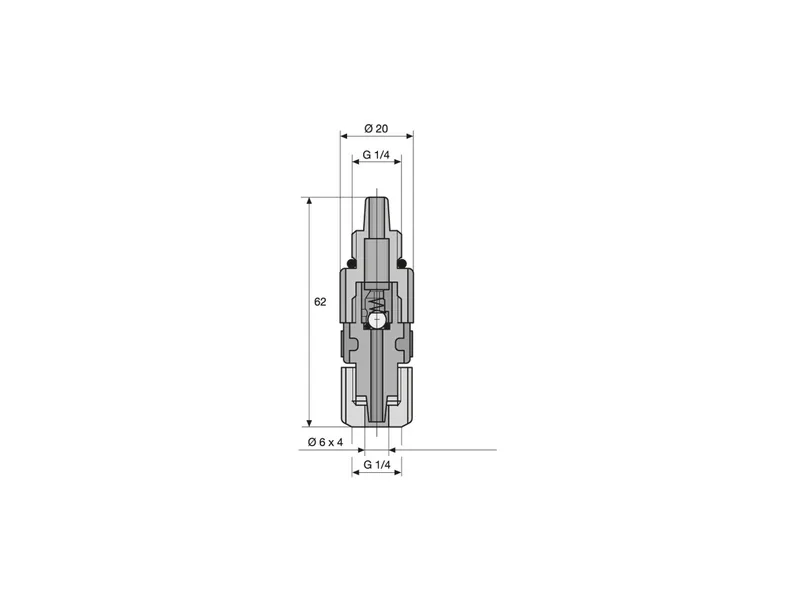
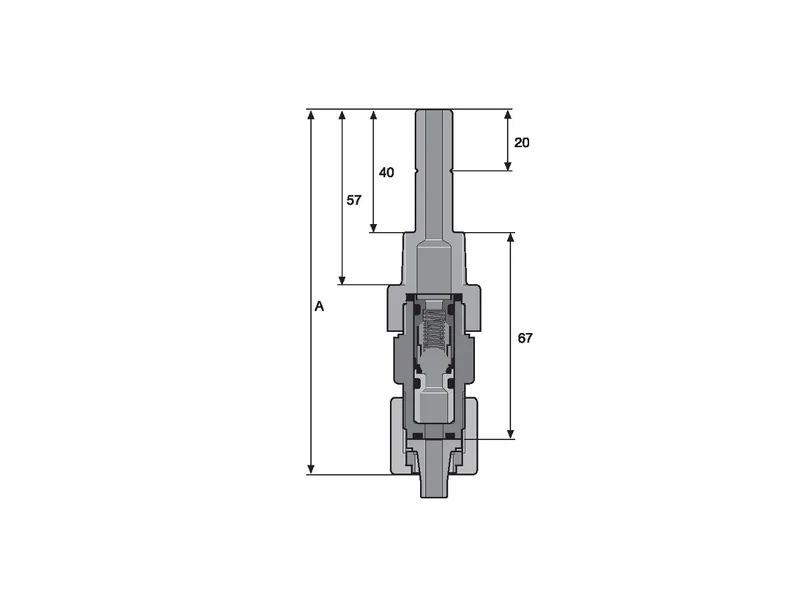
Figure 1: ProMinent injection valve for low-pressure metering pumps. Image source: ProMinent official website
- Remove the injection valve and look at the orifice, seat and check for crystals, gel or a stuck disc;
- Soak and brush with water or an agreed fluid that suits the chemical; do not drag a hard wire across a sealing face;
- Before refitting, check the spring, disc and seals, replace what is deformed, and refit with the flow arrow the right way.
Cleaning covers the valve and the short pipe at the tap-in. If the whole line is scaled, use dosing line flushing. Do not expect one valve wash to clean every pipe wall. Other reasons a pump may not dose are listed in why a ProMinent pump is not dosing, so a pump fault is not mistaken for injection valve clogging.
How the injection point and a local flush reduce a repeat block
A valve in a low-velocity pocket, or at a temperature that makes the chemical drop out, will block again after a clean. The quill should reach the main flow, not a stagnant zone at the wall. Mixing duties also depend on insertion depth and direction. Tie-in practice is in dosing injection point tie-in. This page only covers the parts that relate to blockage.
Fluids that crystallise or polymerise should have a flush point near the valve, so a short rinse after a stop can clear the valve and the nearby pipe without washing the whole run every time. A stronger solution or a lower temperature usually speeds dropout, so make-up and any heat tracing belong in the same review. Replacing the valve again and again, without changing the point or the flush, typically brings the same block back.
If the cause is unclear, send the fluid, pressure, valve model and a photograph, and contact us to decide on cleaning, a replacement part, or a new tap-in. Accessories and pumps are listed under dosing accessories and ProMinent. After you clear injection valve clogging, check that discharge pressure has returned to the usual band and that chemical is actually arriving. Note the fluid, weather or concentration change, so the next event is easier to read. For seasonal crystallisation, write a stop-and-flush interval into the procedure rather than waiting for a hard block. Injection valve clogging that is caught early keeps the pump off a long high-pressure run.
Conclusion
Injection valve clogging should be judged from rising pressure and a missing dose together. Depressurise, then clean the orifice and the check; do not open a live valve. Cleaning only covers the valve and the nearby pipe. Whole-line flushing, and the decision to fit a valve at all, belong on the other pages. A poor injection point or a missing local flush will usually bring the block back, so change those as well. Dealt with in time, injection valve clogging need not keep the pump on a high-pressure load. After a clean, watch the discharge pressure for a day or two, because injection valve clogging sometimes returns once the line warms or the concentration changes. If it does, treat it as a process or location issue, not only as another failed valve. A short note in the shift log after each case of injection valve clogging helps the next person see the pattern.
FAQ
Can I clear injection valve clogging by raising pump pressure, without removing the valve?
A loose deposit may move, but the pressure can climb a long way, and the relief valve and diaphragm are at risk. If the event keeps returning, stop, depressurise and clean. Do not push through it.
How do I tell a stuck check from a scaled orifice?
You see it once the valve is open. Scale narrows or fills the passage; a stuck check does not reseat, and process water can sometimes run back into the dosing line. Both need attention.
What liquid should I use to clean the valve?
Use a fluid compatible with the chemical and allowed by site rules, often water or a maker-recommended cleaner. If compatibility is unclear, do not switch solvents and risk the body or the seals.
If it blocks again soon after a clean, is the valve at fault?
Not necessarily. A poor injection point, a supersaturated solution, a missing stop-flush, or scale already moving down the line is more common. Find the full cause rather than only swapping the valve.
Can injection valve clogging make the pump head leak?
It can. Long periods at high discharge pressure fatigue the diaphragm and the head seals. Clear the block promptly, then check the head for seepage once flow is restored.