
Dosing System Model Number: How to Read a Dosing Skid Code
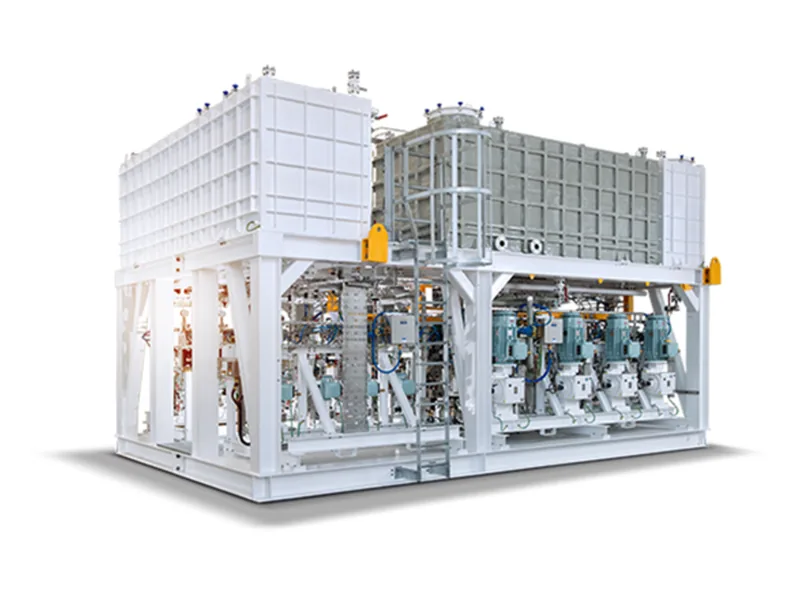
A dosing system model number has no universal format, so the honest answer to "what does this code mean" is: it depends on the maker. Even so, most codes pack the same five pieces of information: series or application, tank volume or capacity, number of pumps and flow per pump, main material, and control type. Learn to spot those five and you can decode most skids, then confirm against the nameplate and data sheet.
This guide is for buyers, consulting engineers and site teams who have a code on a drawing or bid and need to know what was actually offered. Decoding the metering pump's own code is a separate job; here we stay at the package level.
What a dosing system model number usually contains
To keep things neutral we will use a made-up layout rather than any real manufacturer's code:
Series - Tank volume - Pumps x Flow - Material - Control
In practice that might look something like "letters-1.0-2x50-PE-A". The order changes from maker to maker, and some drop the control field entirely. Count the fields, note the separators, and then work through the dosing system model number one field at a time.
Series letters in a dosing system model number
The leading letters usually describe the type of package: a simple single-tank unit, a multi-tank make-down system for polymer, or a dedicated boiler or cooling-water skid. Some makers use chemical abbreviations, others use internal project prefixes.
Guessing at any part of a dosing system model number is risky. Ask for the manufacturer's coding key. A reputable supplier will have one in the catalog or technical file, and if not, ask the sales engineer to put the meaning of each field in writing.
Tank volume or plant capacity?
This is the field most often misread in a dosing system model number. A "1.0" could mean a 1.0 m³ tank, a make-up capacity, or a dosing rate. Units vary too: m³, liters and kg/h all show up.
We have seen bids specify a 1 m³ day tank, and the delivered unit carried a "1" that meant something else entirely. Nobody noticed until the tank was measured on site. Always check this field against the tank dimensions and usable volume in the bill of materials.
Pump count and flow
A field like "2x50" generally means two pumps at 50 L/h each, typical of a duty/standby setup. Some makers write total flow instead, and a few fold pressure into the same field.
Two questions are worth asking every time: is 50 the rated flow or the normal operating flow, and what is the pressure rating? The skid code often says nothing about pressure, but the pump nameplate always does. Whether the package can inject into your line depends on the pump's rated pressure, not the dosing system model number. If the nameplate uses bar and your spec uses MPa, see how to read the bar rating on a dosing pump.
Material code
The material field usually refers to the tank or the frame: PE, PP, PVC, 304 or 316 stainless. Be clear about which part it describes:
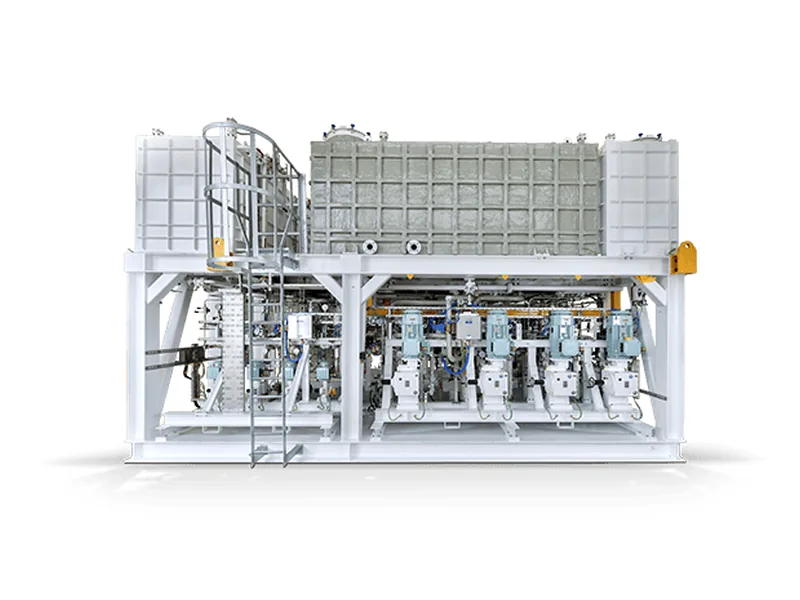
Figure 1: LEWA chemical injection package, front view. Image source: LEWA official website
- The tank material and the pump head material are often different, and the code usually reflects only the tank.
- Piping and valve materials rarely appear in a dosing system model number at all.
- Some makers code a painted carbon steel frame versus stainless; others do not.
- A PE tank can be fine for a chemical that still needs a PVDF pump head.
Treat the material field as a hint, then check the part-by-part material list.
Control and option letters
The last field often shows control type: manual, automatic, PLC, VFD, or a 4-20 mA input. Option letters for explosion-proof motors, outdoor enclosures or heating may be added at the end.
Read this together with the electrical drawings. "Automatic" in the code does not tell you whether level transmitters, flow signals and PLC programming are in scope. The technical agreement has to spell that out.
Matching the dosing system model number to the nameplate
Once the code is decoded, compare it with the package nameplate. It typically shows the model, serial number, year of manufacture, supply voltage and total power, and sometimes tank volume and pump duty.
A practical check sequence is code against bill of materials, bill of materials against package nameplate, and package nameplate against each pump nameplate. When all three layers agree, you received what you ordered. Engineered packages such as LEWA chemical injection packages are often described by a project data sheet rather than a generic code, and in that case the data sheet governs. To decode the pump itself, use our guide to metering pump model codes field by field.
Conclusion
Reading a dosing system model number comes down to three moves. Split the code into series, volume or capacity, pumps and flow, material, and control. Get the manufacturer's coding key so every number has a confirmed unit and meaning. Then verify layer by layer against the bill of materials and nameplates. Where a number is ambiguous, ask rather than assume. Browse typical configurations on our dosing skid products page or see how PAC dosing system specifications are laid out. If you have a code you cannot crack, send it over and contact our engineers for help.
FAQ
Can I compare dosing system model numbers from two suppliers directly?
No. Coding rules differ, so the same digits can mean different things. Translate each code into a configuration list first, then compare item by item.
Why is there no pressure in the dosing system model number?
Many makers only code volume and flow at package level. Pressure sits in the metering pump model and nameplate, so check the pump separately.
Is the tank number total volume or usable volume?
It varies. The code is often a size step, not the usable volume. Use the usable volume shown on the drawing or bill of materials.
The nameplate is gone. How do I find the dosing system model number?
Look for nameplates on the pumps and the control panel, note the serial numbers, and ask the original maker. Most can trace the build from a serial number.
How should a tender specify the package instead of a code?
State usable tank volume, pump count, flow and pressure per pump, materials and control requirements. Bidders then respond to parameters, and offers become comparable.