
Genuine SEKO Dosing Pump: How to Verify Distributor and Serial
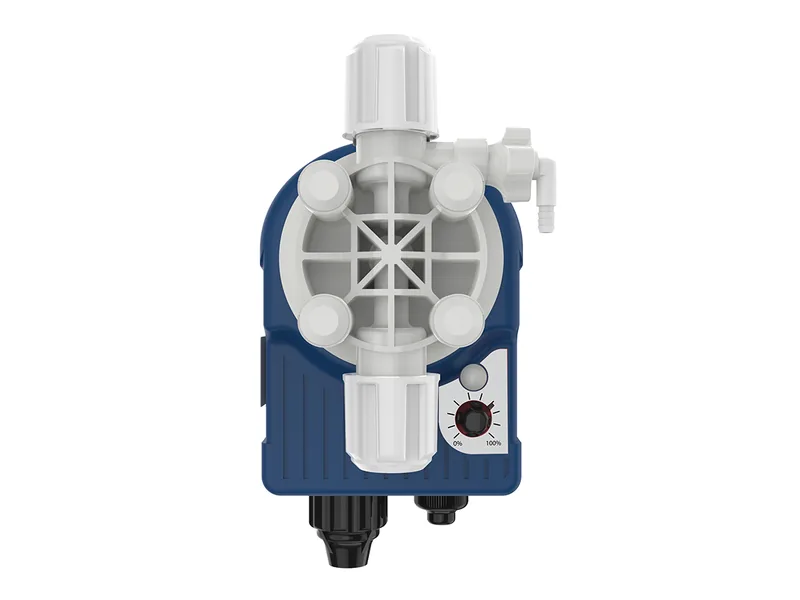
Buying a genuine SEKO dosing pump usually comes down to two checks: verify the supply channel before you place the order, and verify the hardware when the box arrives. Most problems buyers run into are not outright counterfeits. They are refurbished units sold as new, a smaller model shipped against a larger order, wrong wetted materials, or grey-market stock with no local warranty. This guide uses the entry-level Invikta solenoid pump as the example and walks through what a procurement or maintenance engineer can check without special tools.
Start With the Channel: Where a Genuine SEKO Dosing Pump Comes From
SEKO runs direct sales teams in more than 20 countries and supports a network of SEKO-certified distributors that serves customers in over 120 countries. The official site, seko.com, has a region selector and a Contact SEKO page. If you are not sure who covers your area, ask SEKO directly rather than relying on a marketplace listing.
When a supplier claims to be an authorized distributor, ask for the authorization letter and check three things:
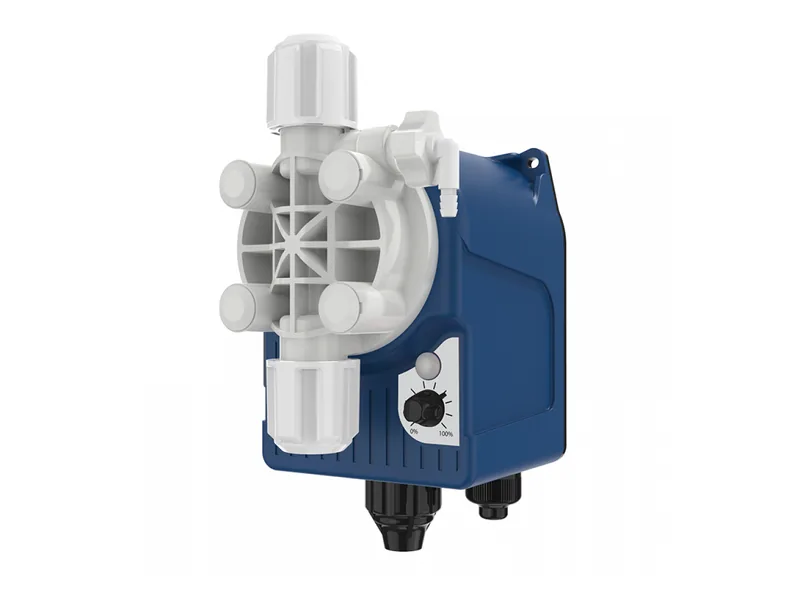
Figure 1: SEKO Invikta dosing pump side view. Image source: SEKO official website
- The company name on the letter matches the company on the quote, contract and invoice.
- The letter is still valid and covers the product series you are buying.
- If anything looks off, send the details to SEKO through the official contact page and ask them to confirm.
One detail worth knowing: SEKO's own catalogue states that the Tekba and Komba series are sold only through specially authorized distributors. A seller offering large stocks of those series with no clear source deserves a few extra questions before you commit to a genuine SEKO dosing pump order.
Read the Genuine SEKO Dosing Pump Nameplate
The nameplate on a genuine SEKO dosing pump carries a full model code that can be decoded segment by segment. Each position tells you the series, size, power supply, wetted-end materials, mounting kit and seal material. Take the Tekna example AKL 603 N H P 0 800: N means a 100–240 V supply, H means a PVDF head with ceramic balls and a PTFE diaphragm, and 0 means FPM seals.
At delivery, compare the nameplate code with the code on your purchase order position by position. If the codes do not match, do not sign for the goods yet. A mismatch in the materials segment is the one that hurts most, because a PP head on an oxidizing chemical will wear out much faster than the PVDF head you specified.
Verify the SEKO Serial Number
The serial number on the pump should match the label on the outer carton. Take a clear photo of the nameplate and send it to your authorized distributor; they can typically check the production record with the factory. End users generally cannot look up a SEKO serial number online themselves, so this is one more reason to buy through a channel that has a direct line to the manufacturer.
Watch for nameplates that look scratched, re-stuck, or printed in a slightly different font. These are common signs that a unit has been refurbished. A genuine SEKO dosing pump that is truly new should show no chemical residue or crystal deposits around the head or valves.
Check Packaging, Accessories and Documents
New pumps normally arrive in the original SEKO carton with a model label on the outside. For Invikta, the official product page lists a PVDF-T pump body and fittings, PTFE diaphragm, ceramic ball valves, a wall-mounting bracket and a bleed tap for priming, with FKM-B or EPDM seals as standard.
Tekna and Kompact pumps usually ship with a foot filter, injection valve, 4 m PVC suction hose, 2 m PE discharge hose and a mounting bracket. Missing accessories, mismatched materials or an instruction manual for a different model are all signals to follow up. SEKO states that every product is 100% tested before leaving the factory, so a proper channel can usually provide the matching documents for a genuine SEKO dosing pump.
Common Risk Scenarios When You Buy a Genuine SEKO Dosing Pump
In practice, these are the cases that come up most often:
- Refurbished sold as new. Housing replaced, nameplate re-applied, and the pump fails after a short run.
- Downsized model. The order was for a higher-flow size, but a smaller one arrived. They look almost the same; only the model code reveals it.
- Wrong wetted materials. PP instead of PVDF, or EPDM instead of FPM, which matters a lot with aggressive chemicals.
- Stripped accessories. Foot valve, injection valve or hoses removed and sold separately.
A nameplate check and an accessory count catch nearly all of these. Print a short checklist for whoever receives the goods on site, since that person is often not the buyer, and ask them to photograph each item.
What to Put in the Contract
Price comparison is only part of buying a genuine SEKO dosing pump. Write these points into the contract:
- The full model code, not just "SEKO solenoid pump".
- Brand-new, original factory packaging.
- Warranty period and scope, including how wear parts such as diaphragms and valve balls are treated. Invikta's PTFE diaphragm, for example, is guaranteed for five years according to SEKO.
- After-sales response and whether spare parts come through the same channel.
If a quote sits far below the usual market level, ask where the stock comes from. Parallel imports are not necessarily fake, but they may fall outside local warranty and technical support.
Quick Test After Delivery
Power up the genuine SEKO dosing pump and confirm the panel responds. On Invikta's simple interface with a potentiometer and LED, turning the knob from 0% to 100% should give a clear change in stroke rate. Prime the pump as the manual describes, then measure output with a graduated cylinder and record it as the baseline for that unit. A new genuine SEKO dosing pump that leaks, runs noisily or delivers far below rating should be raised with the supplier within the acceptance period.
Conclusion
To secure a genuine SEKO dosing pump, verify the authorized distributor first, then decode the nameplate, match the serial number, check accessories and documents, and write the model code and warranty into the contract. Spare parts and repair support usually run through the same channel you bought from. For an overview of the series, see our SEKO brand guide. General supplier selection tips are in how to choose a metering pump manufacturer, and warranty limits are covered in diaphragm warranty. Browse the SEKO range or compare solenoid metering pumps, and contact us if you need help checking a model code.
FAQ
How do I verify a SEKO serial number?
Usually you send a nameplate photo to an authorized distributor, who checks it with the factory. Online self-lookup is generally not available.
Is a parallel-import SEKO pump fake?
Not necessarily, but it may not be covered by local warranty or support, so confirm who handles after-sales first.
What if I cannot read the model code?
Use the coding table in the instruction manual, or ask an authorized distributor to decode it for you.
Can I buy a used or refurbished SEKO pump?
You can, as long as it is clearly declared as used and you check the diaphragm and valves. Warranty terms typically differ from a new pump.
Does every genuine SEKO dosing pump come with accessories?
Most solenoid models ship with a standard installation kit, but contents vary by series, so check the list in the manual.