
Dosing Pump Diaphragm Failure: Is It Covered by Warranty?
A dosing pump diaphragm failure is the service call most likely to turn into an argument. The plant says the pump is only a few months old, so the part must be faulty. The supplier opens the manual, points at the words "wear part" and says the diaphragm is not covered.
Both sides have a point. Diaphragms are consumables, but they wear at a predictable rate. This article does not quote warranty periods, because contracts vary too much. It explains how to judge who is responsible for a ruptured diaphragm and how to build a fair claim.
Why Diaphragms Are Treated as Wear Parts
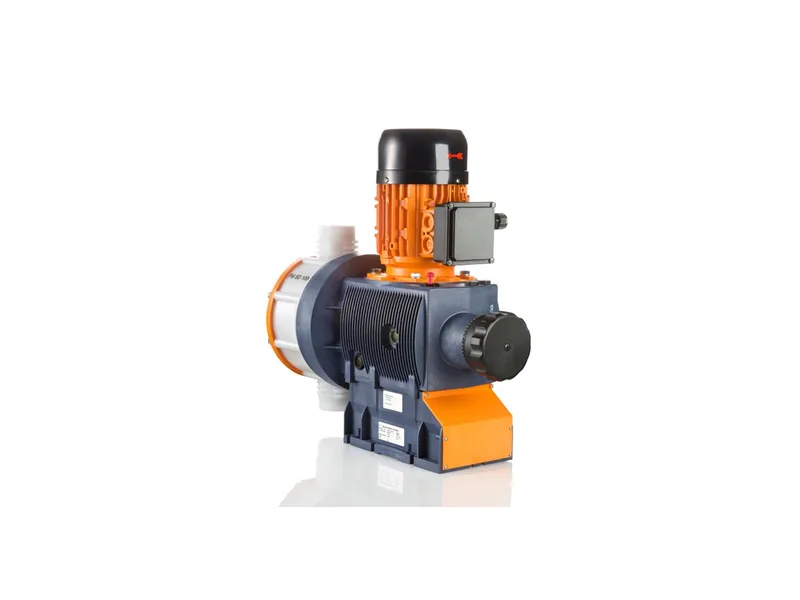
Take the operating instructions for the ProMinent Sigma motor-driven pumps. The diaphragm sits in the wear parts list next to valve balls, seats and seals. The manual says plainly that its service life depends on system back pressure, operating temperature and the chemical, and that abrasive media shorten it.
So the same diaphragm can last several times longer on a clean disinfection line than on a lime slurry line. The manufacturer cannot promise a fixed life, which is why a dosing pump diaphragm failure is usually handled under spare parts rather than the main equipment warranty.
For typical material lifetimes, see PTFE diaphragm material and lifespan. For service intervals, read our diaphragm replacement interval guide.
Reading the Cause of a Dosing Pump Diaphragm Failure
"Wear parts are excluded" is a blunt rule. A fairer approach looks at how the diaphragm broke and when.
Causes that usually point to operating conditions:
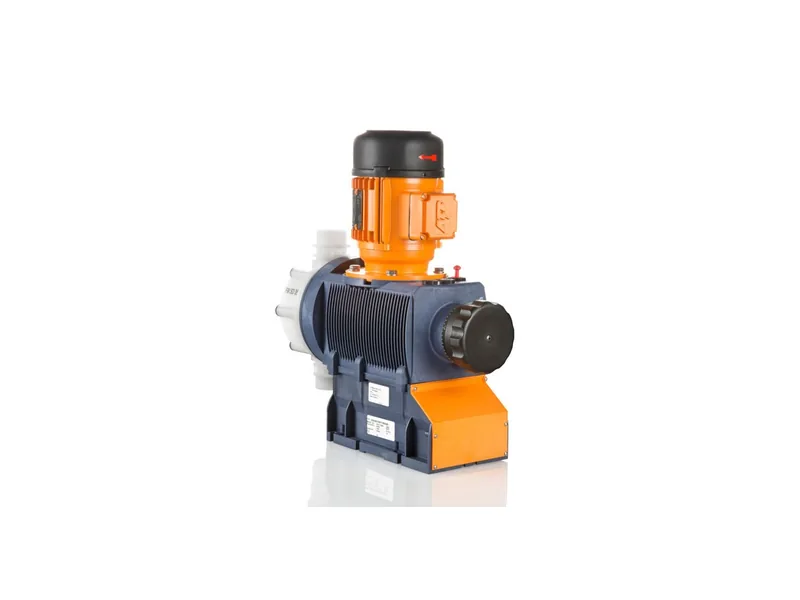
Figure 1: ProMinent Sigma/3 Basic motor-driven metering pump. Image source: ProMinent official website
- Starting the pump against a closed discharge valve, or a badly constricted discharge line. The Sigma manual lists a severely constricted discharge line as the cause of a very hot motor.
- Particles or crystals in the chemical, leaving scratches or dents on the diaphragm face.
- Chemical incompatibility, where the diaphragm swells, hardens or delaminates.
- Dosing head screws not torqued to specification after a diaphragm change, or used PTFE seals refitted.
- Third-party diaphragms of unknown origin. ProMinent warns that third-party spare parts can cause pumping problems.
Signs that point toward the product itself:
- A dosing pump diaphragm failure during commissioning, with conditions inside the nameplate limits.
- A clean, regular tear in the same place with no particle damage.
- Several pumps from the same batch failing the same way.
These are judgment aids, not rules. The final decision depends on the purchase contract and the manufacturer's inspection.
How Multi-Layer Diaphragms Help the Claim
Sigma pumps use a multi-layer safety diaphragm with an operating layer, a safety layer and a rupture indicator. On the optical version a small red cylinder springs forward under a transparent cover when the operating layer breaks. The electrical version switches a contact that can trigger an alarm or stop the pump.
That signal is useful evidence. It records roughly when the dosing pump diaphragm failure happened, and it shows that chemical stayed inside the liquid end. The manual also notes that once the operating diaphragm has ruptured, metering accuracy can no longer be relied on, so critical processes should stop and replace it soon.
If your process needs accurate dosing, a head with rupture monitoring is worth the extra budget. See the Sigma/2 product page for details.
Evidence to Keep Before You Call the Supplier
Most disputes about a dosing pump diaphragm failure are not about who is right. They are about who has proof. The usual reaction is to fit a spare and throw the old diaphragm away, and then nobody can show anything.
Keep these items:
- The removed diaphragm, rinsed and bagged flat.
- Photos of the tear and the inside of the dosing head, ideally with a ruler.
- A photo of the nameplate, since the identity code shows head size and material.
- Run data: start date, operating hours, discharge pressure, chemical name and concentration.
- Settings of the back pressure valve and relief valve. Our back pressure valve guide explains why they matter.
Run data carries the most weight in any dosing pump diaphragm failure review. The quarterly checks in the Sigma manual assume about 30% continuous operation, so a pump running 24 hours a day typically wears its diaphragm much faster.
First Steps After a Dosing Pump Diaphragm Failure
Before anyone argues about cost, make the pump safe. The Sigma manual asks for three steps before work on the liquid end: switch off the power, release the pressure and flush the head with a medium chosen from the safety data sheet. Skip them and a fitting can spray chemical at the person holding the spanner.
Then note the time, the pressure gauge reading and what the alarm showed. Those few lines, written within an hour of the dosing pump diaphragm failure, are worth more than a long email a week later. If the same line has seen a dosing pump diaphragm failure before, add the dates of earlier changes too.
Ordering the Right Replacement Kit
Even when a dosing pump diaphragm failure claim is refused, order the correct part. Quote the identity code rather than "a diaphragm for brand X", because head sizes within one series take different diaphragms.
Original spare part kits generally include the diaphragm, valve balls and seals. Replacing the seals at the same time avoids a second job. Dry running is another common cause of early wear; see can a metering pump run dry.
Conclusion
Is a dosing pump diaphragm failure covered? In most cases the diaphragm is treated as a wear part, but early failures under correct conditions, or failures with an unusual tear pattern, are worth raising with the supplier. Keep the old diaphragm, photos, nameplate and run data, then check them against the contract. Good control of back pressure, chemical compatibility and screw torque will stretch diaphragm life. To confirm head materials or order kits, contact our team.
FAQ
What if the contract says nothing about dosing pump diaphragm failure?
The wear parts list in the manual and your purchase terms usually decide it. Ask the supplier for a written inspection result.
How long should a diaphragm last before failure counts as early?
There is no single figure, because life depends on pressure, temperature, chemical and daily run hours. Compare against your own past replacement intervals.
Can I keep running after the rupture indicator trips?
Non-critical processes can run briefly in an emergency. The manual warns that metering accuracy is no longer reliable, so plan the replacement quickly.
Will a non-original diaphragm affect after-sales support?
It can. Manufacturers warn that third-party parts may cause problems, which makes it hard to assign responsibility for a later fault.
Should the seals be replaced with the diaphragm?
Yes. Compressed PTFE seals cannot reliably seal again, and refitting them often causes seepage at the dosing head.