
FKM vs EPDM Seals: How to Match the Rubber to the Chemical
A dosing pump that starts to weep at a valve cover or a fitting is often leaking at the O-ring, not at the diaphragm. The everyday choice on those rings is FKM vs EPDM. In day-to-day FKM vs EPDM calls, both rubbers survive many water-treatment chemicals, but they fail in almost opposite ways: one dislikes hot water and strong alkali, the other dislikes oil and most solvents. This article is for engineers and maintenance crews who need to pick a compound, not for the step-by-step change-out, which is covered in dosing pump seal replacement.
What each rubber actually fears
FKM (often ordered under that code, and sometimes still called Viton in the field) handles oils, many hydrocarbons, a wide range of strong acids and quite a few oxidizing solutions, and it keeps useful elasticity at higher temperatures than ordinary nitrile. What it does not like is a long soak in hot water, steam or strong caustic. The rubber hardens, loses bounce, and splits the moment you stretch it off the groove. Sodium hypochlorite is usually a better fit for FKM than for EPDM, which is why bleach and disinfection skids often land on the FKM side of a FKM vs EPDM decision.
EPDM is the mirror image. It is at home in hot water, steam and alkali, and it is widely used on dilute acids and many inorganic dosing chemicals. Oils, greases and most aromatics or chlorinated solvents swell it. The ring grows too fat for the groove, or the surface turns tacky. When the duty is hot, alkaline and free of oil, EPDM usually beats FKM. That is the core of FKM vs EPDM in utility water service.
Do not identify the compound by color. A black ring is not automatically FKM, and a green ring is not automatically EPDM. Read the material code on the bag, or the mark on a spare ring. Grabbing "the one that looks right" from a mixed bin is how the wrong rubber gets installed.
Choose by chemical, not by habit
A practical FKM vs EPDM first cut looks like this:
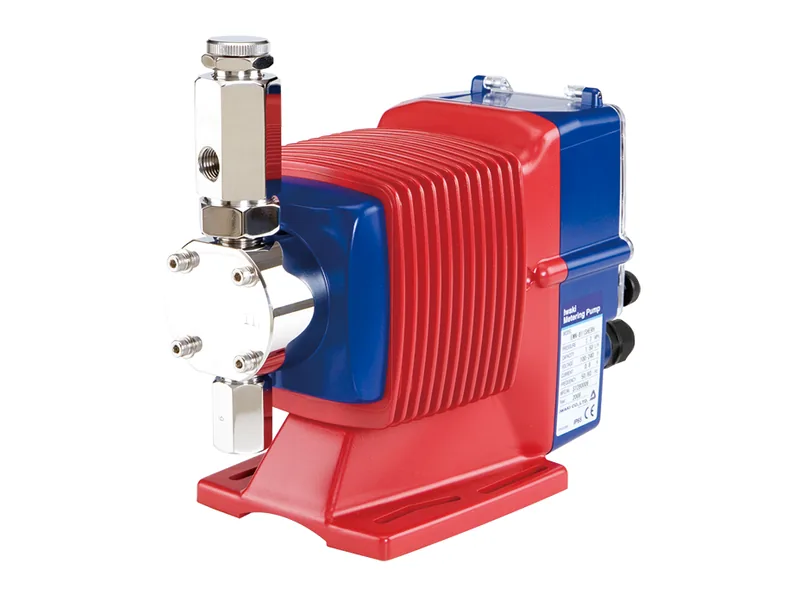
Figure 1: IWAKI EWN-R stainless liquid end. Image source: IWAKI official website
- Sodium hypochlorite and many oxidizing disinfectants: start with FKM, then confirm concentration and temperature.
- Sodium hydroxide, soda ash, boiler dosing and joints near steam tracing: look at EPDM first.
- Oily or solvent-bearing chemicals, or fittings that can be splashed with lubricating oil: avoid EPDM and use FKM or another grade the maker names.
- Strong acids depend on which acid, how concentrated and how hot. Both rubbers have a window and a no-go zone, so do not memorize a single slogan such as "acids take FKM".
The plastic or metal of the liquid end is a separate decision from the ring. The head has to carry pressure and the connection; the ring only seals one face. Head materials are compared in chemical resistant dosing pump selection. Tubing follows a similar chemical logic, see dosing hose material, but tube compound and O-ring compound are not the same recipe, so do not copy one choice onto the other.
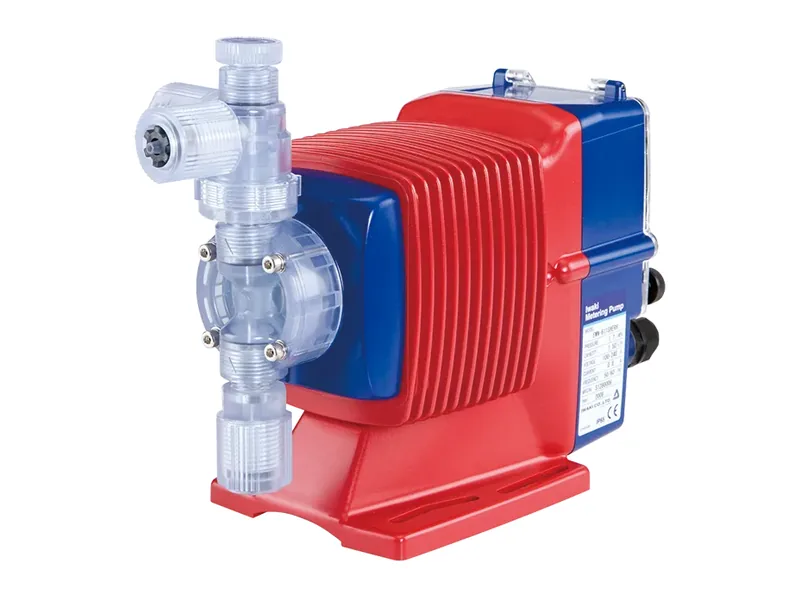
IWAKI EWN-R series solenoid metering pumps can be specified with FKM or EPDM in the liquid end. Put the chemical name on the order so the pump does not arrive with the default ring, which may swell within a week.
Field mistakes when changing rings
Do not mix the two compounds on one pump. A FKM vs EPDM mismatch, with FKM on the suction valve and EPDM on the discharge valve, will still assemble, but the first ring that is attacked starts an internal leak that is hard to blame on the rubber. Keep the storeroom sorted by compound, with FKM and EPDM in separate bags labeled with the chemical they are approved for.
A few installation rules save a return visit. Do not twist the ring into the groove. Do not lubricate it with grease, especially EPDM; that smear of oil is enough to start a swell. If a lubricant is needed, use clean water or a compatible fluid the maker allows, and only a thin film. Pick residual rubber and crystals out of the groove, or a new FKM ring will sit high and leave a leak path.
Do not judge an old ring by how soft or hard it feels. A ring that has been in service is already changed. Hardness may mean FKM spent too long in hot water or caustic; swell may mean EPDM met oil. Store the old ring with the chemical record and order from that record next time, instead of guessing again at the bench.
Seals and valve kits are listed under dosing accessories. Liquid-end options are also summarized on the IWAKI brand page.
Conclusion
FKM vs EPDM is not a contest for the "better" rubber. FKM usually takes oil and many oxidizers; EPDM usually takes hot water and alkali. Pick by chemical, temperature and whether oil can reach the joint, use one compound on a given pump, and keep grease off EPDM when you install a new ring. If the FKM vs EPDM choice is still unclear, send the chemical, the temperature and the mark on the ring you have now, and contact our engineers to confirm which compound belongs in the groove.
FAQ
Does hypochlorite dosing always require FKM?
Most hypochlorite posts choose FKM, but concentration and temperature still matter. Some formulations or hotter duties need a different grade named by the maker. The FKM vs EPDM default is a starting point, not a blanket rule.
Can EPDM be used on a fitting that might see drip oil?
No. Oil swells EPDM. Use FKM there, and move or shield the oil point so the joint is not regularly contaminated.
Can I tell FKM vs EPDM by the color of the ring?
No. Makers use different colors for both compounds. Trust the material code on the packaging or a permanent mark on the ring.
The two rings are the same size. Can I mix them for a few days?
Same size only means they fit the groove. It does not mean both survive the chemical. Mixing FKM vs EPDM on one pump produces a leak on the first ring that fails, and the diagnosis takes longer. Use one compound per pump.
A new ring grew fat the next day. Was it the wrong part?
A common cause is grease used during installation, or an oily or solvent-bearing chemical, while the ring was EPDM. Confirm the FKM vs EPDM match to the fluid, then check whether oil was used as a lubricant.