
Dosing System Automation: Manual, Semi-Auto or Fully Automatic
Dosing system automation is more than wiring a pump to a PLC. The first job is to split manual, semi-automatic and fully automatic work: who makes up the solution, who starts and stops the pump, and who changes the stroke when flow or water quality moves. Pick the wrong level and operators still stand by the tank, or a "fully automatic" skid sits idle because the signals and interlocks were never used. This article is for project owners and shift teams who need to choose a level. How a fully automatic unit handles level interlocks is covered in how an automatic chemical dosing system works. Plant-wide retrofit work is in automating chemical dosing in wastewater plants.
What each level actually covers
Manual dosing usually means a person makes up the batch, starts the pump, sets the stroke and stops it. It fits small doses, one or two additions a day, and chemicals that are not especially hazardous. You save the control system and pay for it with a crew that has to watch the job and write down how much was added.
Semi-automatic generally sequences make-up, level and mixing, while the dose is still a manual stroke setting or a timer. The crew does not have to stand at the tank with a paddle, but someone still changes the set-point when the flow changes. Many cooling-water and boiler make-up posts stop at this level.
Fully automatic takes both make-up and dosing into the controller: low level starts a refill, and the metering pump follows a flow proportion or a pH, ORP or chlorine signal. Dosing system automation only reaches "fewer people on watch" at this point, and only if the instruments and their upkeep are real.
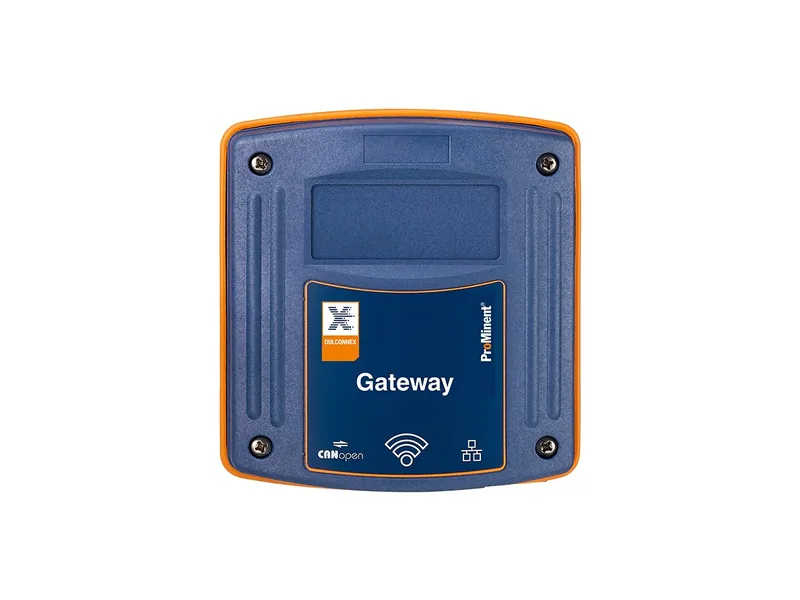
A ProMinent Sigma X S3Cb motor-driven metering pump can take a 4-20mA or pulse signal to change flow. It is the actuator for the dosing step. It will not, by itself, turn a manual day tank into a fully automatic package. Make-up, level and the water-quality instruments still have to be specified. If pump and analyzer status must reach a control room, a DULCONNEX Gateway from the same maker can collect and display that data. It is a communications link, not a substitute for level interlocks in the field.
Choose dosing system automation by duty, not by the name on the list
When you set the dosing system automation level, a short list usually helps:
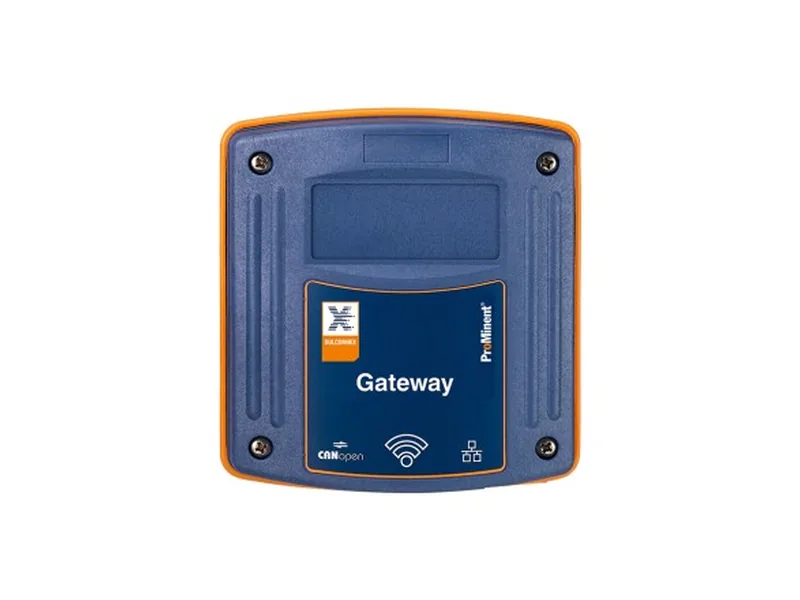
Figure 1: ProMinent DULCONNEX Gateway. Image source: ProMinent official website
- How hazardous is the chemical, and how bad is a wrong batch or an overflow? Acids, caustic, hypochlorite and methanol typically need level interlocks and spill protection, so they lean to semi-automatic or fully automatic.
- How often do you pour chemical or change the stroke? Several changes a day, or a raw-water flow that swings, will outrun a manual post.
- Is there a trustworthy flow or water-quality signal? Without a stable instrument, "fully automatic" is just a number written into the PLC, still running open loop.
- Can the crew maintain the instruments? Fully automatic depends on calibration, filtering and signal checks. If those slip, the plant typically falls back to hand and the system sits unused.
How the signal reaches the pump, and how 4-20mA, pulse and serial communications differ, is in 4-20mA controlled metering pump PLC integration. A dosing system automation scheme should put "what the pump can accept" and "what the site actually has" on one sheet, so the mismatch is not discovered at unpacking.
Misplaced dosing system automation upgrades
A common move is to swap the pump for a model that accepts a remote signal and call dosing system automation finished. The pump can be trimmed from a panel, but the tank is still filled by hand and there is no level interlock, so the hazard and the record-keeping problems remain. The opposite also happens: a fully automatic package arrives, the pH electrode is mounted in a dead leg, the signal lags, and the pump hunts.
Another mistake is to give every chemical the same level. PAC, PAM and hypochlorite do not share the same risk or the same control method. They should usually be graded separately, rather than written as fully automatic on a single bill. Depending on the chemical and the staffing, two levels can sit in the same room.
Controllers and signal modules are listed under controllers. Pump and control options are also outlined on the ProMinent brand page.
On the install, cable routing and grounding matter more than they first appear. A 4-20mA cable is generally run on its own or as a shielded pair, not bundled with motor leads, or the stroke will jump with the drive. In a dosing system automation project this is not the "automation" people talk about, and it is often what burns the most time during commissioning.
Conclusion
The dosing system automation choice depends on chemical hazard, how often you dose, whether a usable flow or water-quality signal exists, and whether the crew can keep the instruments working. Manual saves the control system, semi-automatic takes over make-up and interlocks, and fully automatic closes the dosing loop. Stepped upgrades are usually more reliable than renaming the skid "fully automatic" in one purchase. If the dosing system automation level is still open, send the chemicals, the dosing frequency, the instruments you have and how the crew is staffed, and contact our engineers to judge which level you should stop at now.
FAQ
If the pump accepts 4-20mA, is the system already fully automatic?
No. That only means the dosing step can follow a signal. Fully automatic dosing system automation also covers make-up, level interlocks and a measurement signal that is actually good.
We dose once a day at a low rate. Do we need fully automatic control?
Generally no. When additions are rare and the chemical risk is modest, a well-recorded manual or semi-automatic post is enough. Spend the budget on the more hazardous or more frequent chemicals.
Can we run a time program without online instruments and call it fully automatic?
You can run a timer. It is still open loop, and a change in inlet quality will over- or under-dose. It is typically a temporary step, until the instruments are stable and the loop can be closed.
Can a semi-automatic skid be upgraded later?
Yes, if the pump, pipe and spare signal cables were chosen with expansion in mind. The expensive part of a later dosing system automation upgrade is usually the missing interfaces from the first install.
Does fully automatic mean the room can be left unattended?
Not in that sense. You can run with fewer people on watch. Calibration, level checks and fault response still need a person. The system only moves everyday adjustment from a handwheel to a signal.