
Dosing System Training: What a New Operator Must Be Able to Do
Dosing system training should answer a simple question: can a new operator isolate power, start and stop the skid safely, change stroke within the allowed range, notice a leak in time, and respond to an interlock without defeating it? It is not a retrofit course, and it is not a remote-monitoring course. House rules already written for a hypochlorite room are in hypochlorite dosing room operating rules and hypochlorite dosing room safety. Training should include those site rules, not invent a conflicting set of spoken commands.
Dosing system training starts with isolation, start and stop
The first skill is to switch power on and off under a permit: find the isolator, the emergency stop, and the local/remote selector. Before you energise, confirm the pump and mixer are stopped, guards are in place, and nobody is still working on the machine. The usual start order is to confirm tank level and valve direction, start the mixer or any needed circulation, then start the pump. Stopping runs the other way: stop the pump, close the valves that should be closed, and depressurise if the job requires it. The wrong order can run the pump dry or push chemical into a section that is open for work.
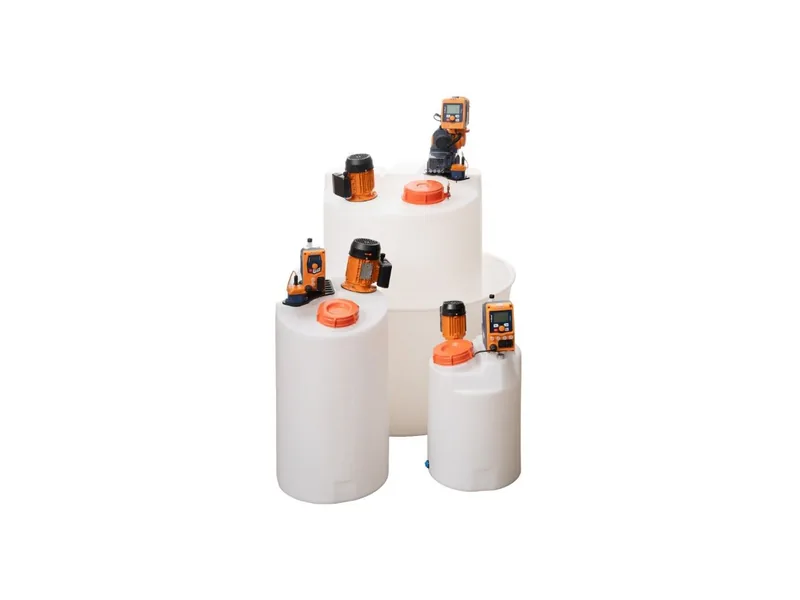
A ProMinent DULCODOS skid puts the pump, pipework and accessories on one panel, so the buttons and lamps are in one place and it can serve as a teaching unit. Wiring and legends on each project still follow that project's drawings. Dosing system training should leave a person able to point, on this machine, to the supply, the emergency stop and the fault lamp.
Stroke changes, leak response and interlocks
Practice the allowed adjustments as a short list:
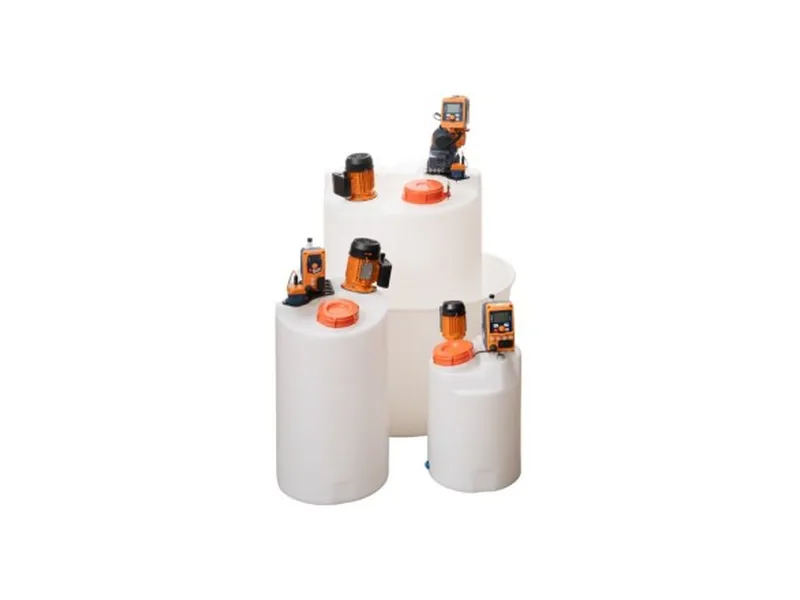
Figure 1: ProMinent DULCODOS eco chemical dosing skid. Image source: ProMinent official website
- Write down the old stroke or frequency before you change it, then watch discharge pressure and the dose, and use a column if needed;
- On a walk-round, look at the head, joints, overflow and floor for a new wet mark; on a leak, stop the pump and follow the procedure, and do not touch the chemical with bare hands;
- After a low-level, mixer-not-running or remote emergency-stop interlock, find the cause first. Do not jumper or force the interlock and restart.
Flow checks are in metering pump calibration. Who may change cabinet parameters, and how that is recorded, is in dosing control parameter setup. Dosing system training should state which knobs an operator may touch, and which settings stay with process or instrument staff.
PPE follows the chemical: goggles, gloves, an apron or a face shield. The rinse and first-aid points should be walked on the first day, not only described in a classroom. Good dosing system training treats that walk as part of the test.
How to accept the training
After the talk, the person should walk the job with a supervisor: lock out, restore power, start and stop, change a stroke and put it back, say which pump to stop on a leak, and say how to report an interlock trip. Independent repeat of those steps comes before a sign-off. A lecture without a hands-on check usually fails on the first night shift.
Keep a record of the date, the people, the skid number and the items tested. If the chemical or the control mode changes, run a short refresher. The first solo shift should still have someone to call. If you want a checklist for one skid, send the flow diagram and the procedure, and contact us to review missing items. Skid types are listed under dosing skids and ProMinent, but dosing system training still follows the machine in front of you.
The shift log is part of the skill as well: start and stop times, stroke, level, faults and handover notes. If the skid has local and remote modes, practise the changeover and say when the unit must return to local. Night and holiday shifts usually have fewer people on site, so dosing system training should also say what must stop the pump at once, and what can wait for the day crew. Where one room holds several skids, test each one; practice on a single panel does not prove the others.
A short return visit about a month later often catches what faded after the first week. Dosing system training is not finished at the sign-off meeting. A short note in the file about what the person found difficult on the first solo shift usually makes the return visit more useful, and it keeps dosing system training tied to the real machine rather than to a generic script.
Conclusion
Dosing system training should leave a person able to isolate power, start and stop in the right order, change stroke within limits, spot a leak, and leave interlocks in place. PPE and rinse points should be shown on the real floor. The course is not a pipe redesign and not a telemetry project. Practise the actions, keep a record, and a solo shift has a basis. If the skid or the chemical changes, dosing system training has to be updated rather than treated as a one-time talk.
FAQ
How long should dosing system training last?
It depends on how complex the skid is. The test that matters is whether the person can start, stop, adjust and report a fault alone. A single lecture with no practical check is usually not enough.
May a new operator change control parameters?
In principle, only the stroke or frequency allowed for the post. Set points, interlocks and remote references should be changed by named staff and recorded.
What is the first action on a leak?
Protect yourself, then stop the pump, limit the spread and report, as the procedure says. Do not rush to tighten a joint that is still under pressure. Rinse and first-aid points should already have been walked in dosing system training.
If an interlock keeps tripping, may I force the pump to run?
No. Find the level, valve or signal cause. Forcing a run can empty the pump or send chemical to the wrong place.
If I move to another dosing skid, do I need another course?
Yes. Pump type, chemical and interlock logic may differ. Dosing system training is for this skid, not for every panel in the plant.