
Chemical Pipe Labeling for Dosing Lines: Colors, Arrows and Tags
Chemical pipe labeling answers three questions for anyone in the dosing room: what is in this pipe, which way is it flowing, and how dangerous is it. A proper marker therefore shows the chemical name and concentration, a flow direction arrow, and a color that separates acids, alkalis and oxidizers. It sounds minor. Yet acid unloaded into a hypochlorite tank, or a pressurized chemical line opened by mistake during maintenance, very often starts with poor labeling. This guide is for dosing room designers, installers and operations teams.
Why chemical pipe labeling matters
Dosing rooms are full of small pipes running side by side, often in similar colors and materials. Without labels, three kinds of incident keep happening:
- Wrong unloading connection: a tanker driver guesses at the fill point, and acid mixed with hypochlorite releases chlorine gas.
- Wrong line opened: a fitter thinks it is flushing water and breaks into a pressurized chemical line.
- Slow emergency response: during a leak, nobody can say at once which chemical it is, so protection and neutralization are delayed.
Good chemical pipe labeling lets someone who has just entered the room read every line within seconds. That is why many owners inspect it specifically at handover.
What a complete label shows
Chemical name and concentration
Write the full name, such as "Sodium hypochlorite 10%" or "Hydrochloric acid 31%", using the concentration actually in service. Avoid shorthand like "NaOCl" or just "Acid". Not every operator reads chemical formulas, and labels need updating each time the supplied strength changes.
Flow direction arrows
Arrows point the way the liquid actually flows. Use double-headed arrows on sections that flow both ways, such as lines that can be backflushed. Mark return and overflow lines separately so nobody mistakes them for discharge lines. For day-to-day room procedures, see hypochlorite dosing room operating rules.
Color coding and hazard symbols in chemical pipe labeling
Color coding dosing lines is usually done with painted bands or colored tape, with the color showing the chemical group and a hazard pictogram for corrosive or oxidizing contents. National and industry standards define pipe identification colors, and the project should follow whichever standard the owner has adopted. Our advice is simple: use one color convention across the whole site and post the legend at the dosing room door. Sites that grew over several projects often end up with two or three conventions side by side, and that confusion defeats the purpose of chemical pipe labeling. When a plant is extended, bring the old area into line with the new one rather than the other way round.
Separating acids, alkalis and oxidizers
In chemical pipe labeling for a dosing room, these three groups matter most:
- Acids such as hydrochloric, sulfuric and nitric acid must stay away from oxidizers and alkalis.
- Alkalis such as caustic soda generate strong heat on contact with acid.
- Oxidizers such as sodium hypochlorite and hydrogen peroxide can release toxic gas when mixed with acid.
Beyond color, give each chemical a different coupling type or size at the unloading point, so a wrong connection is physically impossible. That is more dependable than any label.
Where to place chemical pipe labeling
Typical locations include the start and end of each line, both sides of wall and floor penetrations, next to every valve and tee, at pump suction and discharge, at fill points and at tank inlets. On long straight runs, repeat the marker at intervals so the nearest one is visible from anywhere. Lines in trenches and pipe racks are easy to forget; the section a fitter sees after lifting a cover plate needs a label too, because that is usually where work starts.
Field labels should match the line numbers on the P&ID. If a number on the drawing cannot be found on site, maintenance turns into guesswork. See how to read a dosing system P&ID.
Labeling clear tubing and small-bore lines
Solenoid metering pumps often discharge through PE or PVC tubing. ProMinent, for example, supplies soft PVC suction line and soft PVC hose with a woven fabric core on reels. Tubing like this cannot be painted, so chemical pipe labeling relies on other methods:
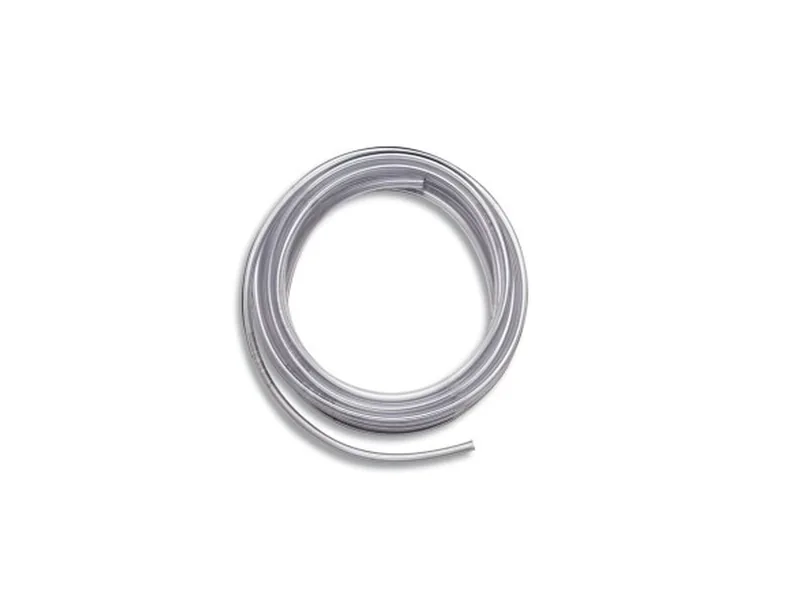
Figure 1: ProMinent metering pump hoses and tubing. Image source: ProMinent official website
- Wrap-around or sleeve labels at both ends and along the run.
- Colored cable ties with tags, with the tie color matching the chemical group.
- Routing tubing through a color-marked cable tray or bracket that carries the label.
Choosing the right tubing material matters as much as chemical pipe labeling; see dosing pump tubing materials.
Label materials that survive chemicals and sunlight
Paper and ordinary adhesive labels do not last in a dosing room. Acid fumes, hypochlorite vapor and sunlight fade them quickly. Laminated PVC or PET labels and weather-resistant tape are common choices, and engraved stainless steel tags suit outdoor or highly corrosive areas. Check chemical pipe labeling during routine inspections, at least once a year, and replace anything faded or loose.
Update labels every time a line changes chemical or route. This step is the one most often forgotten, and outdated chemical pipe labeling can be more dangerous than none, because people trust it. For fittings and accessories, see our dosing accessories and the ProMinent range.
Conclusion
Effective chemical pipe labeling is readable, easy to find and durable. Include the full chemical name and concentration, flow arrows, identification color and hazard symbols. Place labels at every key point and match them to drawing line numbers. Use materials that resist chemicals and UV, and relabel at every chemical change. Send us your chemical list and piping layout, and contact our engineers to review the lines and accessories together.
FAQ
Is there a standard for pipe identification colors?
Yes, national and industry standards cover it. Follow the one your project has adopted and keep a single convention site-wide.
How often should labels be inspected?
Check them during routine rounds and do a full review at least once a year, more often outdoors or in corrosive areas.
Can colored tubing replace labels?
It helps, but add text labels anyway. Color only shows the chemical group, not the exact chemical or strength.
What happens to labels when a line changes chemical?
Flush the line first, then remove every old label and fit new ones. Do not hand-correct old labels.
Does the unloading point need its own label?
Yes. It is the most common place for a wrong connection, so add distinct couplings and a lock as well as a label.