
Dosing System Maintenance: Tank, Mixer, Piping, Instruments, Panel
Good dosing system maintenance treats the skid as one system, not as a pump with some pipes attached. The tank, mixer, suction and discharge piping, valves, instruments and control panel all fail in their own ways, and every one of those failures ends the same way: chemical stops reaching the injection point, or too much of it does. This dosing system maintenance guide is written for operators and maintenance crews running water treatment, boiler and process dosing skids. It walks through each component, what to look at, and how to build a realistic schedule.
Why dosing system maintenance starts with a component list
A typical packaged unit has five blocks: the solution tank (with dissolving basket, level gauge, overflow and drain), the mixer, the metering pumps with their suction and discharge lines, line accessories such as relief and back pressure valves, and the control panel with its analyzers. If you need a refresher on how these fit together, see our guide to chemical dosing system components. Doing dosing system maintenance in that order, from tank to injection point, catches far more than checking whatever looks wrong today.
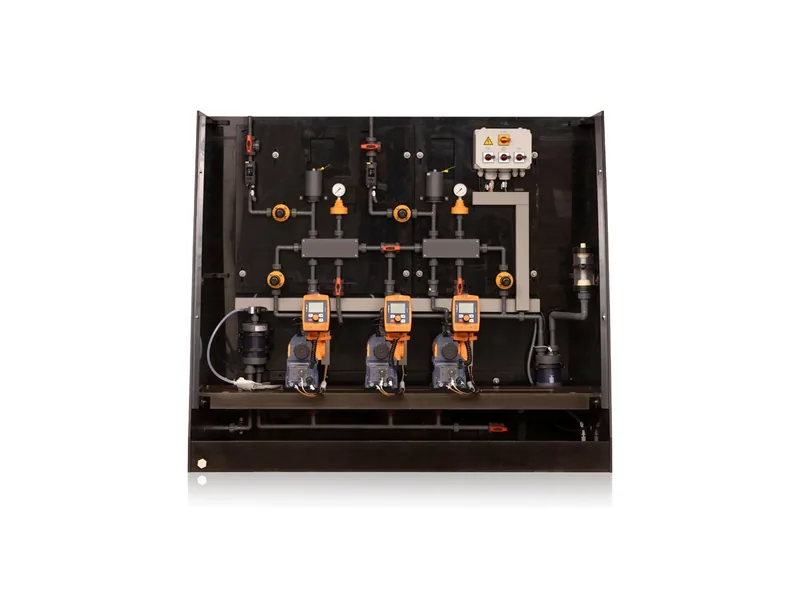
Take the ProMinent DULCODOS panel metering system as an example. It mounts up to three low-pressure metering pumps on one frame, together with suction and discharge piping, pressure gauges, a pulsation damper, 3-way flushing valves and a terminal box, and ProMinent points out that the dosing heads are easy to reach for service. Compact panels like this are convenient, but a single leaking fitting drips straight onto the pumps and cables below, so leak checks matter even more in dosing system maintenance on panels.
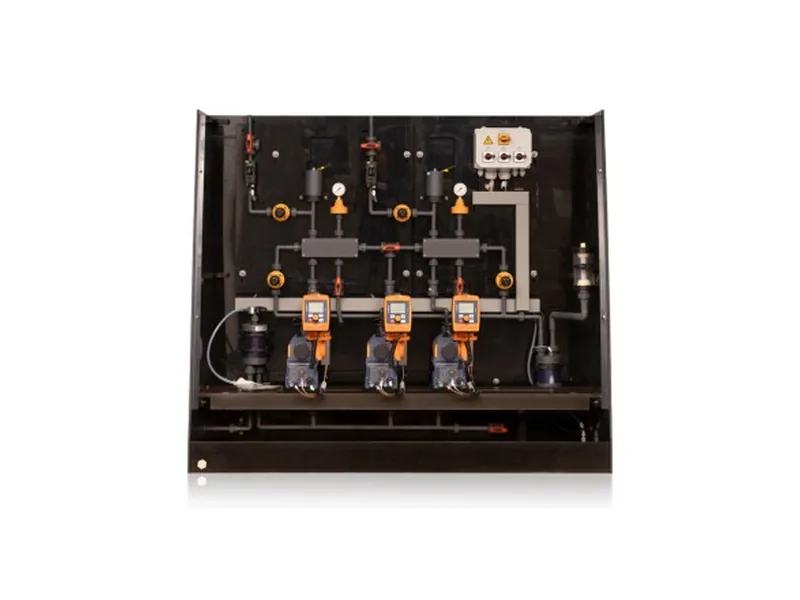
Figure 1: ProMinent DULCODOS panel dosing station. Image source: ProMinent official website
Tank and dissolving basket: sludge and overflow
The most common tank problem is sediment. Coagulants, lime and other powders never dissolve completely. Insoluble material settles, builds up, and eventually gets pulled into the suction line, where it blocks the foot valve and holds check valve balls off their seats.
On each round, check three things: the level is in the normal band, the tank walls and welds are dry, and the overflow line is clear. Drain and flush the tank whenever you change chemicals or notice flocs near the suction. Close the suction valve, open the drain, rinse with clean water, and pull the basket screen to brush it separately. Never let the overflow get blocked or piped into a dead end. If the fill valve fails to close, solution will come out through the manway instead.
Mixer: gearbox and shaft seal come first
In dosing system maintenance, mixer care is mostly about the gearbox and the shaft seal, not the impeller. A gearbox that runs low on oil gets hot and noisy, and eventually strips gears. Change the oil once after the initial run-in, then follow the gearbox manufacturer's interval.
Feel the motor housing on every round and listen for a rhythmic knock. Chemical scale on the blades throws the shaft off balance and wears the bearings, so knock it off whenever the tank is down for cleaning and check the fasteners at the same time. One trap we see often: a mixer running with the blades above the liquid surface splashes chemical everywhere. Test the low-level mixer trip as part of routine dosing system maintenance.
Piping, valves and accessories
On the piping side, dosing system maintenance means looking for weeps, crystal build-up and valves that have stiffened. Joints and flanges are where PVC and PVDF lines usually leak first. Sodium hypochlorite and caustic leave white crystals at the joint long before a drip is visible.
Relief and back pressure valves
Springs and diaphragms in these valves fatigue over time, so verify the set pressure at least once a year. A failed back pressure valve allows siphoning: when discharge pressure falls below suction pressure, chemical keeps flowing after the pump stops. Our article on relief valve setting for dosing pumps explains how to choose the set point.
Strainers and pulsation dampers
Clean suction strainers based on how fouled they look, and shorten the interval for dirty solutions. Check the pre-charge on bladder-type dampers; a punctured bladder shows up as a discharge gauge needle swinging wildly.
Instruments and the control panel
Level gauges, pressure gauges, flow meters and pH, ORP or conductivity analyzers are the eyes of automatic control. Coated floats cause false low-level alarms and nuisance pump trips, so clean magnetic and float gauges regularly, and keep ultrasonic sensor faces free of condensation and crystals. Probe cleaning and calibration are covered in our analyzer electrode maintenance guide.
Inspect the panel with power isolated: look for loose or discolored terminals, signs of chemical fume corrosion, and dusty fans and filters. Always isolate power and relieve line pressure before opening anything, and wear goggles and gloves. Dosing rooms are humid and full of fumes, so replace door gaskets as soon as they harden.
Building a dosing system maintenance schedule
Turning dosing system maintenance into a schedule works best with simple tiers. Every shift: level, pressure, leaks and noise. Weekly: clean strainers, check the mixer and operate valves. Monthly: clean level instruments and verify pump output against a calibration column. Quarterly or at every chemical change: drain and clean the tank. Yearly: test relief valves, replace wear parts and inspect the panel thoroughly. Pump-specific tasks are listed in our dosing pump maintenance schedule.
Treat those dosing system maintenance intervals as a starting point. Dirtier chemicals, higher temperatures and frequent starts all shorten them. If strainers clog every few days, adding filtration at the make-up stage usually beats cleaning more often.
Conclusion
Dosing system maintenance comes down to three habits: walk the skid from tank to injection point, do the cleaning, testing and parts replacement on schedule, and record every job. A perfectly serviced pump will still stop dosing if the tank is full of sludge, a float is coated or a back pressure valve has failed. If your skid keeps tripping, or you want a new chemical dosing skid that is easier to service, send us the chemical, flow, pressure and site conditions and contact our engineers to review the configuration.
FAQ
How often should a chemical dosing tank be cleaned?
At every chemical change, or whenever sediment is visible. Clean solutions can go a quarter between cleanings; coagulants and lime slurries usually need monthly cleaning.
What oil goes in the mixer gearbox?
Use the grade listed on the gearbox nameplate and in its manual. Gearbox makers specify different oils, so do not mix brands, and expect the first oil change to come earlier than later ones.
What should I check before restarting a skid that has been idle?
Look for settled or crystallized chemical in the tank, flush any solution left in the lines, confirm the suction line is free of air, and start the pump at low output first.
Why does my level gauge keep giving false low alarms?
Usually the float or sensor face is coated, and cleaning fixes it. If it keeps happening, check whether the gauge sits too close to the fill inlet or the mixer, where surface turbulence confuses it.
Can dosing system maintenance be outsourced?
Yes for specialist jobs such as relief valve testing and annual panel inspections. Daily rounds and routine dosing system maintenance are better handled by your own crew, because they see problems first.