
Chemical Dissolving Basket: What It Does in a Dosing Tank
A chemical dissolving basket is a perforated basket that hangs from the top of a solution tank and sits below the liquid surface. Flakes, granules or lumpy solid chemicals go into the basket first, and the incoming water and the mixer slowly dissolve them. The solution passes out through the holes, while undissolved lumps and debris stay inside. It solves two everyday problems: chemicals poured straight in that cake on the tank floor, and dirt that travels with the solution into the pump and jams the valves. This article is for people who build dosing packages or run them on site, and it covers when to fit a basket, how to choose one and how to use it.
What a Chemical Dissolving Basket Actually Does
Faster and more even dissolving
Dump a bag of chemical straight into a tank and it sinks into a pile. The outer layer dissolves, the core stays dry, and the mixer cannot break it up. In a chemical dissolving basket the product is suspended in the middle of the liquid, water reaches it from every side, and it dissolves much faster.
Stopping debris and undissolved lumps
Technical grade chemicals often carry insoluble matter and scraps of packaging. Without a basket, that material settles near the suction point, the pump pulls it in, a check valve gets stuck, and the pump stops delivering. The basket works as a coarse strainer inside the tank, before anything reaches the suction line.
Protecting the mixer and level instruments
A large chunk hitting the impeller, or wedging next to a level float, causes trouble you will spend an afternoon chasing. A chemical dissolving basket keeps the charging point in one corner, so those parts are left alone.
Which Chemicals Suit a Basket
The best fit is water soluble solid chemicals in granule or flake form. Trisodium phosphate for boiler treatment, some tablet disinfectants and granular salts are typical examples. They are not hard to dissolve, but they cake if you pour them straight in, so a chemical dissolving basket is the right tool.
Two groups do not suit it. The first is high molecular weight flocculants such as polyacrylamide. The powder forms gel lumps the moment it touches water, the basket turns into a sticky mass and the holes block. Polymer needs a proper powder feeder and wetting system instead. The second group is chemicals that release a lot of heat as they dissolve, such as caustic soda flakes. Concentrating them in one basket creates hot spots that are hard on plastic baskets and tanks, so follow the chemical safety data and handle them separately.
How to Choose a Chemical Dissolving Basket
Material
The basket lives in the solution, so its material only has to match the tank and the chemical. PP, PE, PVC and stainless steel are the usual options. For corrosive products choose plastic. For chlorine based chemicals avoid ordinary stainless steel, because long immersion leads to pitting.
Hole size and open area
Holes that are too large let debris through. Holes that are too small slow dissolving and clog easily. Size them to the particle size of the product: big enough for liquid to move freely, small enough to hold back undissolved lumps. A higher open area dissolves faster.
Size and depth
The chemical dissolving basket must hold one full charge, and the charge must sit below the liquid surface. When the level drops, the bottom of a shallow basket comes out of the liquid and the chemical stops dissolving. Set the basket depth together with the normal working level of the tank.
Where to Mount It
Mount the basket near the water inlet and on the opposite side from the pump suction. Inlet water flowing straight at the basket speeds up dissolving, and the suction draws solution that is already mixed.
Fix the basket firmly, either on a bracket at the tank opening or bolted to the lid. Once the mixer runs, the surface moves, and a loose basket swings and can hit the shaft. Do not place it directly in front of the impeller, or the flow pattern will be lopsided and mixing will suffer.
For inlet and outlet piping layout, see dosing tank pipe connection. For the full list of parts in a package, see dosing system components.
Daily Use and Cleaning
Charge the tank in this order:
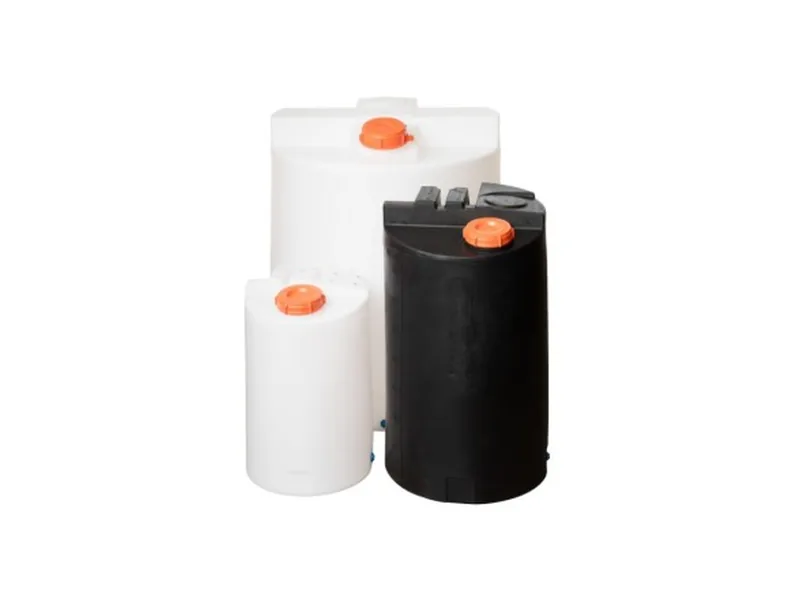
Figure 1: ProMinent PE dosing tanks. Image source: ProMinent official website
- Put on gloves and goggles, and confirm the liquid level already covers the bottom of the basket.
- Pour the chemical in slowly and do not overfill the chemical dissolving basket so product spills over the rim.
- Start the mixer after charging and wait until the charge has fully dissolved before running the pump; the time depends on the chemical, so follow its data sheet.
Lift the chemical dissolving basket out on a regular schedule, dump the insoluble residue and flush the holes clear. Once the holes start to block, dissolving slows down noticeably and solution strength drifts. Always stop the mixer before cleaning so nobody gets a hand caught.
Example: ProMinent PE Dosing Tanks
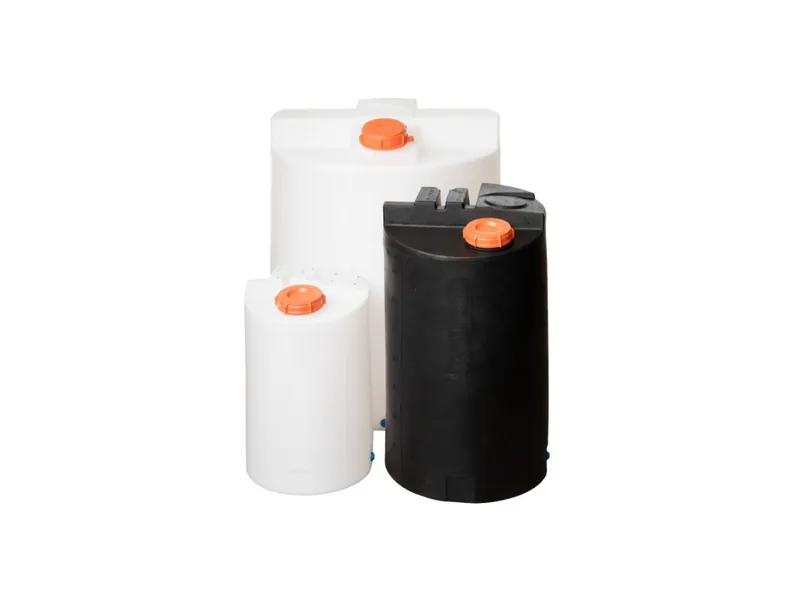
On plastic tanks such as ProMinent PE dosing tanks, the tank openings and matching accessories are fairly standard, so sizing a chemical dissolving basket is mostly a matter of the opening size and the level range. Keep the basket material consistent with the corrosion resistance of the tank and the chemical. For applications that dissolve solid product, such as boiler phosphate treatment, see the boiler phosphate dosing unit. Accessories are listed on the dosing accessory products page and the ProMinent brand page.
Conclusion
A chemical dissolving basket keeps solid product suspended in the liquid while it dissolves, and it holds back debris and lumps so the pump, mixer and level instruments stay protected. It suits soluble granules and flakes. Do not use it for polymer powder or for chemicals that release a lot of heat. Choose it by material, hole size and depth, mount it near the inlet and away from the suction, fix it firmly, and clean the holes regularly. Send us your chemical, charge size and tank dimensions, and contact us to match the right chemical dissolving basket to your package.
FAQ
Can I pour chemical straight into the tank without a basket?
You can, but it tends to cake, dissolve unevenly and send debris into the pump. If you charge solids often, a chemical dissolving basket saves a lot of trouble.
How often should the basket be cleaned?
It depends on product purity and charging frequency. With dirty product, check it after every charge and clean it as soon as the holes look restricted.
Why not use a basket for polyacrylamide?
The powder turns into gel lumps on contact with water and blocks the holes quickly. It needs a powder feeder and wetting system before it goes into the ageing tank.
Plastic or stainless steel?
Plastic is the safer default for most chemicals, and plain stainless steel should be avoided with chlorine products. When in doubt, follow the chemical data sheet and the tank material.
Dissolving is still slow after fitting the basket. What should I check?
Check whether the basket is above the liquid level, whether the inlet flow reaches it, and whether the holes are blocked. Move the basket or increase its open area if needed.