
Dosing Pump Test Report: What to Check Before You Accept the Pump
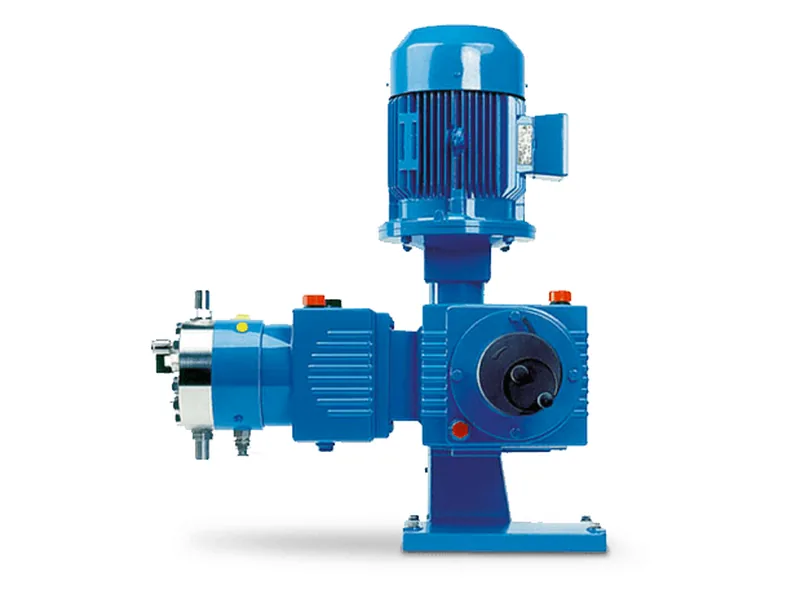
A dosing pump test report is only worth something if three things line up: the serial number on the paper matches the nameplate on the pump, the tests cover your real operating point, and the numbers are measured values rather than catalogue figures copied into a form. Get those three right and the report protects you. Miss them and you have a stamped sheet that proves nothing. This guide is written for buyers, inspectors and plant engineers who sign off pumps and dosing skids before installation.
Three kinds of documents people call a test report
Suppliers often send a stack of certificates and call all of it "the test report". In practice there are three different documents, and each one proves something different:
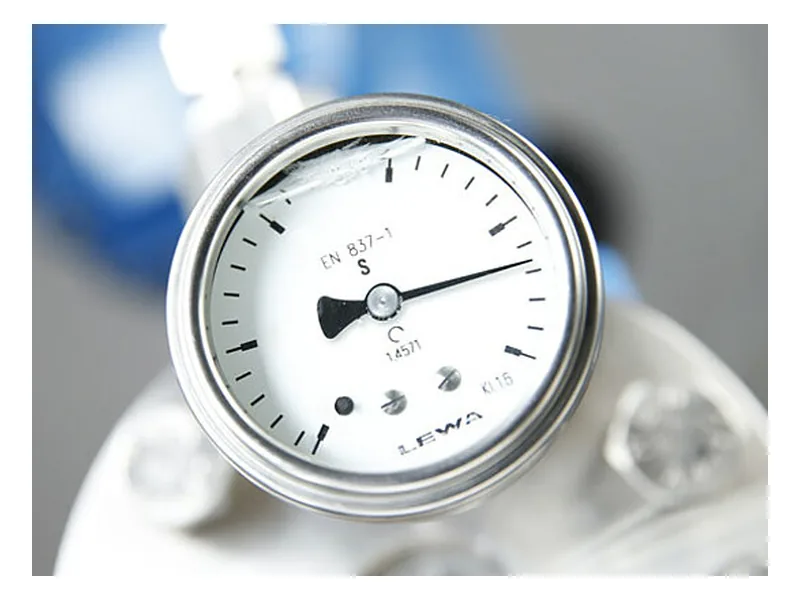
Figure 1: LEWA ecoflow liquid end safety pressure gauge. Image source: LEWA official website
- Factory acceptance test (FAT) record. The manufacturer tests each pump or skid and issues one dosing pump test report per serial number.
- Type test certificate. A one-time test of a pump series, usually done by an accredited lab. It proves the design, not your unit.
- Third-party inspection report. An inspector hired by the owner or EPC contractor witnesses or repeats tests on the delivered equipment.
Sort the paperwork into these three piles first. Only the first one is a true dosing pump test report for your unit; the other two support it.
What a good dosing pump test report contains
The FAT record is the one that matters most for your specific pump. On page one, check the model code, serial number and test date, then walk to the pump and compare them with the nameplate. If the serial number does not match, stop there.
On the data pages, a complete dosing pump test report usually shows:
- Measured flow at rated discharge pressure, ideally at several stroke settings such as 100% and 50%
- Steady-state accuracy and repeatability, with the number of runs and how they were calculated
- Hydrostatic test of the liquid end, with test pressure, hold time and leak result
- Insulation resistance and earth continuity for the motor or solenoid drive
Stroke length is the travel of the diaphragm or plunger on each cycle, and it sets the volume per stroke. A report with a single flow point at 100% stroke tells you nothing about how linear the pump is at low settings. For background on how accuracy figures are defined, see our article on metering pump steady-state accuracy and repeatability.
Type test certificates: check the scope
A type test certificate is not a dosing pump test report for your unit. It names a series and lists the sizes it covers. Two checks are enough. Is your exact size inside that list? And is the certificate recent enough that the design has not changed since?
Watch for a supplier using a certificate from a small model to cover a much larger one. Material matters too. A pressure test done on a PVC liquid end does not carry over to a PVDF head you ordered.
Third-party inspection of solenoid pumps
Third-party inspection of solenoid dosing pumps often goes wrong in one predictable way: flow is measured with clean water at near-zero pressure. Solenoid pumps lose output per stroke as back pressure rises, so insist that flow is tested against a back pressure close to your real line pressure. Otherwise the dosing pump test report will look better than the pump performs on site.
Other items inspectors skip unless the inspection plan names them: response to pulse and 4-20 mA input, low-level alarm function, enclosure rating and supply voltage. Write them into the inspection and test plan before the order ships.
Extra pages for a dosing skid
A packaged skid adds piping, valves, a tank and a control panel, so its dosing pump test report needs more sections:
- Piping hydrostatic test: test pressure, hold time, pressure drop and leak result
- Tank leak or fill test
- Control panel insulation, earthing and function test
- Set pressure and lift test for relief and back-pressure valves
A relief valve line that says only "OK" is not acceptable. It should state the actual set pressure. To judge whether the piping numbers make sense, compare them with our notes on dosing line pressure testing and flushing.
Material certificates
A material certificate belongs in the same package as the dosing pump test report and states what the wetted parts are made of. For stainless parts, the heat number should trace to markings on the part itself. For plastic liquid ends, the certificate should name PP, PVC or PVDF rather than "chemical-resistant plastic". Diaphragms should be identified, for example as PTFE-faced. If the pump will handle concentrated sulfuric acid or sodium hypochlorite, compare every wetted material line by line against your bid documents.
Red flags in a dosing pump test report
These are the problems we see most often when reviewing paperwork for buyers:
- One dosing pump test report covering several pumps with no per-unit data
- Flow figures identical to the datasheet, down to the decimal
- Hydrostatic test pressure lower than the design pressure
- Tester and approver are the same person
- An imported pump with a generic certificate and no serial number from this shipment
For process diaphragm pumps such as the LEWA ecoflow, the easy fix is contractual. Put the required tests and witness points into the purchase specification, so the factory acceptance test is planned rather than requested after delivery.
Conclusion
Read every dosing pump test report on three levels: is it this unit, are the tests relevant to your duty, and are the values measured. The FAT record covers the individual pump, the type test covers the design, and third-party inspection covers what actually arrived on site. One cannot replace another. Lay the reports, nameplates and purchase specification side by side and most problems show up before installation. For the full receiving procedure, read our dosing skid factory and site acceptance checklist, browse packaged dosing skids or the LEWA brand page. If you want a second pair of eyes on a report, send us the equipment list and duty data and contact our engineers.
FAQ
Can I accept a pump without a third-party stamp?
Yes, if the contract does not require one. A complete FAT record with matching serial numbers is a valid basis for acceptance.
Does a type test certificate replace the factory test?
No. The type test proves the design can meet its rating. The factory test proves this specific pump was built correctly.
How long does third-party inspection take?
It depends on scope. Flow and insulation checks are quick. Adding back-pressure curves, control signal tests and alarm checks takes longer, so agree the list with the inspector in advance.
What if the measured flow is out of tolerance?
First confirm the test conditions match your site, especially back pressure and viscosity. If they match and the pump is still out, ask the supplier to adjust and retest before shipment.
Should I ask for the test report before or after delivery?
Before. Request a sample dosing pump test report at the order stage, so you know exactly which tests and values you will receive.