
Dosing Skid Bill of Materials: How to Read It Line by Line
A dosing skid bill of materials is the equipment list a supplier attaches to a quotation. It shows which parts make up the package, the model of each one, the quantity and the material. Many buyers look only at the pump brand and the total price, skim past the other forty lines, and find out at delivery that the relief valve or back pressure valve is missing, or that the tank is PE when the chemical needs PVDF. This article walks through the list section by section and explains what to check on each line.
What a Dosing Skid Bill of Materials Usually Contains
A complete dosing skid bill of materials normally falls into seven blocks: metering pumps, solution tank, mixer, piping and valves, instruments, control panel, and the base frame with a material summary. Some suppliers list them in that order, others mix them together. Sort the lines into these blocks yourself before you read, and any missing block stands out immediately. For the full set of parts in a package, see dosing system components.
The Metering Pump Lines
The pump is the most expensive and most important item on the list, so check at least five things: brand and model, flow, pressure, liquid end material and quantity.
Flow and pressure should leave margin, and the duty point is safest around the middle of the pump rating. The liquid end must suit the chemical. One pump model may be offered with PVDF, PP or stainless steel heads, so if the dosing skid bill of materials does not say which, ask. For quantity, check whether the design is duty and standby, and whether the standby pump has its own line. For pump selection on a skid, see dosing skid pump configuration.
Solution Tank and Mixer
Solution tank
Check volume, material, wall thickness and connections. Volume should cover a shift or a day of consumption. Material must resist the chemical. Connections should include inlet, outlet, overflow, drain and a level instrument port. A line in the dosing skid bill of materials reading "PE tank, 1 cubic metre" is not enough; ask for a drawing that shows where each nozzle sits.
Mixer
Check motor power, speed, shaft and impeller material, and whether a mounting bracket is included. Dissolving solids or preparing polymer needs a mixer, while simple liquid dilution sometimes does not. The shaft and impeller sit in the solution, so their material has to match the chemical too.
Piping and Valves: Where Items Go Missing
This section has many lines with low unit prices, which makes it the easiest place to cut. Go through the dosing skid bill of materials item by item:
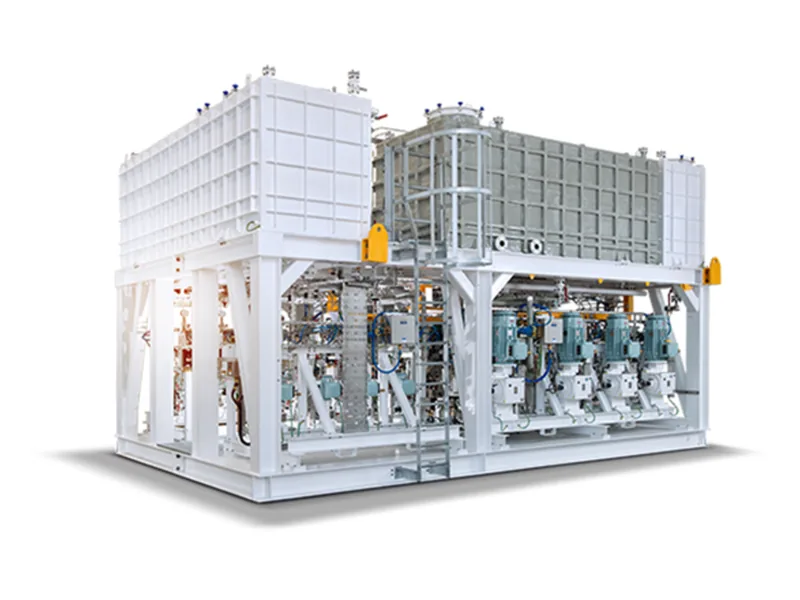
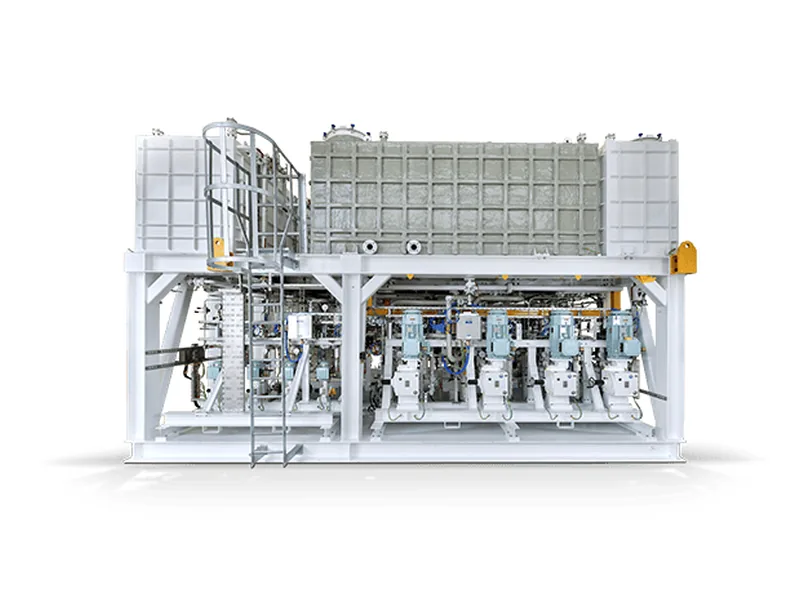
Figure 1: LEWA chemical injection skid. Image source: LEWA official website
- Foot valve or strainer and isolation ball valve on the suction line.
- Pressure relief valve on the discharge to protect the pump and piping from overpressure.
- Back pressure valve, essential when discharge pressure is low or the line runs downhill.
- Pulsation damper for long lines or when steady flow matters.
- Check valves, calibration column and drain valves.
- Pipe and valve material, whether UPVC, PPH or stainless steel, and the pipe size.
Remove a relief valve or back pressure valve and the quote looks cheaper, but the site ends up paying for rework.
Instruments and Control Panel
Common instruments are level gauges, pressure gauges and flow meters, and some packages include online pH, chlorine or conductivity analysers. Check whether each one is local display only or has a remote signal, and whether that signal is 4 to 20 mA or a switch contact.
For the control panel, check the control philosophy: manual start and stop, level interlocks, flow adjustment from an external signal, and communication with the plant DCS. Each function should be written into the dosing skid bill of materials as its own line. The enclosure rating and any hazardous area requirement must match the site.
Base Frame and Material Summary
A skid mounted package sits on a frame, and powder coated carbon steel, stainless steel and PP plate each have their place. On a corrosive site a carbon steel frame will rust quickly. Ideally the last section of the dosing skid bill of materials is a material summary that lists every wetted part in one place, so you can check them all at once.
Spare Parts and Documentation
The final lines usually cover spares and documents, and they are often treated as optional. Spares should include at least one set of diaphragms, check valve balls and seals, and more for remote sites. Documents should include operating manuals, wiring diagrams, piping drawings and material certificates. Without them, maintenance and acceptance both get harder. A clear spares section in the dosing skid bill of materials avoids arguments later.
Comparing Two Dosing Skid Bills of Materials
Line up the two quotes by the seven blocks above and compare them row by row. Typical differences are PVDF heads from one supplier and PP from the other, a pulsation damper and calibration column in one offer but not the other, or remote flow adjustment in one panel and manual only in the other. The price gap usually sits in those rows. For comparing pump quotes in detail, see mechanical diaphragm pump quote comparison.
Example: LEWA Chemical Injection Packages
For packaged systems such as LEWA chemical injection packages, the documentation typically separates pumps, piping, instruments and controls clearly. Use that level of detail as a benchmark when you read the dosing skid bill of materials in front of you. Models and configurations should always be taken from LEWA official documents. Brand details are on the LEWA brand page, and packaged systems are on the dosing skid products page.
Conclusion
Read a dosing skid bill of materials block by block: pumps, tank, mixer, piping and valves, instruments, control panel, and frame and materials. Focus on flow and pressure margin, the material of every wetted part, and the small items that tend to disappear, such as relief valves, back pressure valves and dampers. When comparing two offers, align the blocks and compare row by row, and the reason for the price gap becomes clear. If you are unsure about a list, send it to us and contact us for a line by line review.
FAQ
What if the dosing skid bill of materials does not state materials?
Ask the supplier to add them. Pump heads, tank, piping, valves and mixer shaft all need a stated material.
Is it acceptable to have no relief valve?
It is not recommended. If the discharge blocks or a valve is closed by mistake, the pump head and piping can be damaged.
Should the standby pump appear as a separate line?
Yes. State a quantity of two and say whether the standby pump is piped in and ready to switch over.
How detailed should the control functions be?
At minimum, state the start and stop method, interlock conditions, external signal type and communication protocol, so nothing clashes with the DCS at commissioning.
How is this different from an RFQ document?
The RFQ is your requirement sent to suppliers, and the dosing skid bill of materials is the supplier's answer. Check every line of the list against your RFQ.