
Dosing System Commissioning: Water Test, Interlocks, Chemical Run
Dosing system commissioning works best in three stages: test each item on clean water, prove the interlocks and signals as a whole system, then switch to the real chemical and recalibrate. Each stage gets signed off before the next one starts. This guide is written for contractors, plant operators and OEM service engineers who are bringing a chemical dosing skid into service at a water, boiler or process plant.
Why dosing system commissioning is split into stages
If you fill the tank with chemical and press start, any fault becomes a guessing game. A pump that will not deliver could have a check valve fitted upside down, a level switch holding it off, or a controller still on factory defaults. Splitting dosing system commissioning into stages means each stage only tests one kind of thing, so a problem has nowhere to hide.
Dosing system commissioning has a safety side too. A leaking union on water is a wet floor. The same union on sodium hypochlorite or sulfuric acid is an injury risk.
Before you start: pre-commissioning checks
Confirm these items before any motor turns:
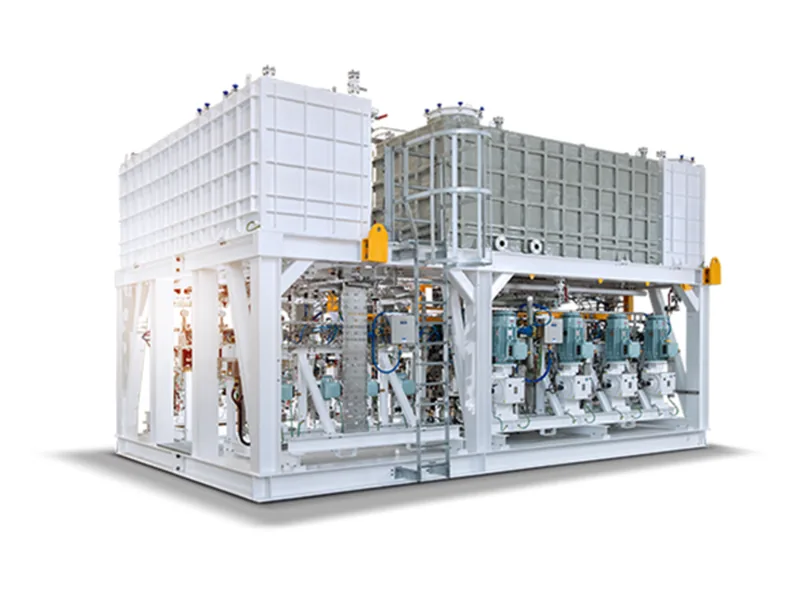
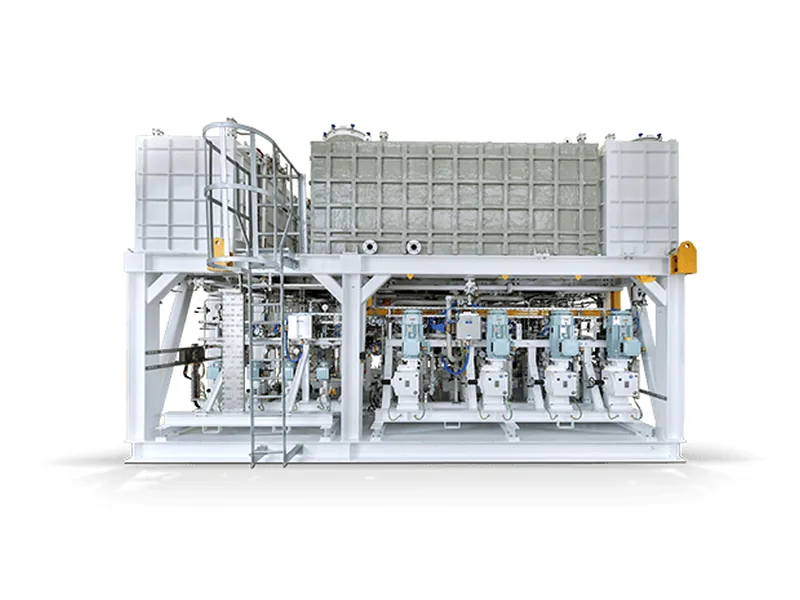
Figure 1: LEWA multi-pump chemical injection skid. Image source: LEWA official website
- Piping has been pressure tested and flushed. Our guide to dosing line pressure testing covers the method.
- The control panel has passed insulation testing, and supply voltage and phase rotation are verified.
- Tanks are free of weld slag, bolts and packing material.
- Relief and back pressure valve set points are documented, and pressure gauges are fitted.
- Wiring diagrams and blank test sheets are on site.
- Drain points have somewhere safe to go, because flush water carries rust and debris.
Stage 1: wet test of each pump, mixer and valve
Metering pump water test
Pump work is where dosing system commissioning really begins. Fill the pump with clean water and start at low stroke length. Watch rotation, listen to the drive and read the discharge gauge. On motor-driven diaphragm pumps, check the gearbox oil level first. Many pumps ship without oil, and this is the step people skip most often.
Prime the head properly. Our article on priming a diaphragm metering pump explains how. Then step the stroke through 25%, 50%, 75% and 100%, recording flow with a calibration column at each setting. A run of about two hours per pump is typical before moving on.
Mixer, valves and level devices
Bump the mixer to confirm rotation, then run it in water and listen for bearing noise. Cycle each solenoid or actuated valve and confirm the position feedback matches reality. Test level switches by actually draining the tank. Flicking a float by hand can hide a float that is snagging on its bracket.
Stage 2: interlock test and signal check
This stage of dosing system commissioning tests logic, not machines. The usual list covers low level stopping the pump, high level closing the fill valve, mixer and batching valve sequence, duty and standby changeover, and high discharge pressure alarms.
Create each condition for real. Drain to low level and confirm the pump stops after its delay and the alarm reaches the PLC or DCS. Throttle the discharge valve and check that the pressure switch trips. For 4–20 mA loops, inject 12 mA at the field end and confirm the control room reads close to 50%.
Multi-pump packages take the longest here. On a LEWA chemical injection package, for example, several pumps share one baseframe, and each pump's start, stop, standby logic and alarm points need their own test.
Stage 3: chemical run and recalibration
Drain the test water, then charge the tank with chemical. Start the pump at low stroke and open the injection point. The discharge gauge should settle near the process back pressure.
The final step of dosing system commissioning is recalibrating flow on the real chemical. Viscosity and density differ from water, so water-test figures are only a starting point. Our guide on adjusting dosing pump dose rate walks through the calculation and calibration steps.
Most sites watch the system for around 72 hours. Track three trends: discharge pressure creep, tank drawdown against set flow, and the downstream process value.
Safety note: wear a face shield and chemical gloves when introducing acids, caustic or hypochlorite. Stop the pump and relieve line pressure before opening any fitting.
What a dosing skid commissioning checklist should record
Records from dosing system commissioning settle arguments at handover. Keep measured flow at each stroke setting, actual relief valve lift pressure, level switch trip heights and delay times, each interlock test with a tick and signature, and daily pressure and consumption during the chemical run. Both parties should sign at the end of every stage.
Common problems found during dosing system commissioning
- No back pressure set, so the pump siphons and overdoses.
- Normally open and normally closed level contacts swapped, so the pump runs at low level.
- Two pumps sharing one header and fighting each other's pressure.
- Water left in pump heads after a winter wet test, cracking them.
All of these show up on water, which is why the first two stages matter. For complete packages, see our dosing skid range and the LEWA brand page.
Conclusion
Good dosing system commissioning follows a clear order: wet test each component, prove interlocks and signals, then run on chemical and recalibrate. Sign off each stage and keep the records, and later faults become much easier to trace. If you are planning dosing system commissioning or want a second opinion on interlock settings, send us the chemical, flow, pressure and control method and contact our engineers.
FAQ
How long does dosing system commissioning usually take?
A small single-pump skid is usually wet tested in one or two days, plus about three days of chemical run. Larger skids with DCS integration spend most of their time on interlock and signal checks.
Can water-test flow figures be used as final values?
No. Chemical viscosity and density change actual pump output, so recalibrate on the real chemical and use those figures.
Can interlocks be tested before the DCS is connected?
Yes. Prove the logic at the local panel first, then repeat remote start, stop and signal checks once the DCS link is live.
Is rising discharge pressure during the chemical run normal?
It is a warning sign. Check for crystallization at the injection point or check valves and confirm the discharge valve is fully open. Relieve pressure before opening anything.
What documents should be handed over after commissioning?
Typically the test sheets, relief valve settings, interlock checklist and pump calibration data. Operators need these as a baseline when troubleshooting later.