
Diaphragm Metering Pump Operation: Start, Run and Stop Checks
Diaphragm metering pump operation is easier to remember as three blocks: checks before start, inspections while the pump is running, and flushing after a stop. Those items belong to the pump itself, not to the make-down sequence of a complete skid. This page is for chemical-room operators. Skid-level start and stop steps are in PAC dosing unit operating procedure, and first-time starts in metering pump startup procedure.
Diaphragm metering pump operation before you start
Go through these items before you start:

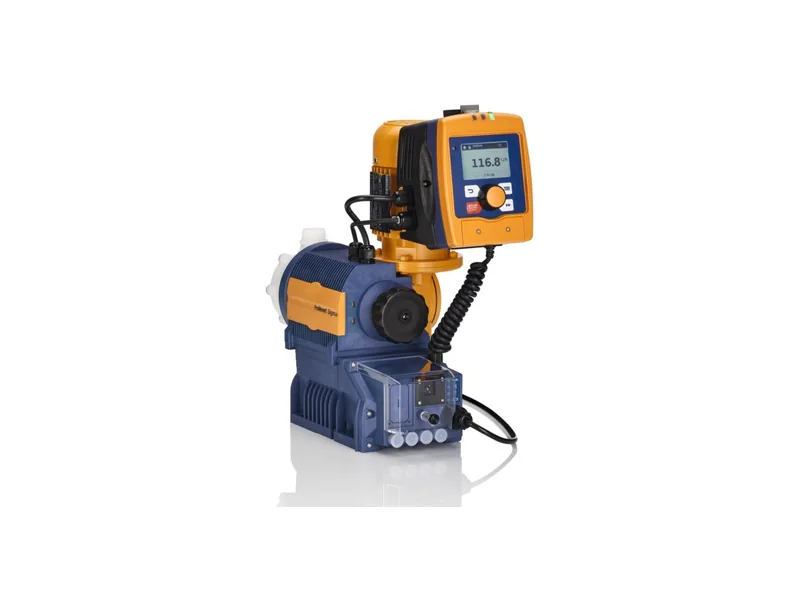
Figure 1: ProMinent Sigma X S1Cb control-type motor-driven diaphragm metering pump. Image source: ProMinent official website
- The tank has chemical, the suction line is submerged, and the strainer is not blinded.
- Suction and discharge valves are in a position that lets liquid move, and the relief path is not isolated by mistake.
- On an oil-lubricated mechanical diaphragm pump, the gearbox oil is in range. Do not start a dry gearbox.
- The head is primed and most of the air is out of the discharge line.
- Electrical interlocks are in a known state, with no unexpected remote start.
A flooded suction, with the head below the liquid level, is the easiest setup. A pump high above the tank with a long suction lift is the classic way to start and immediately run dry. Installation notes are in metering pump installation and piping. Fine stroke adjustment is better after the pump is moving and the line is open; see how to adjust diaphragm metering pump flow.
ProMinent Sigma X control-type motor-driven diaphragm metering pumps put status and stroke control in the unit on the pump. That does not replace the mechanical and piping checks above. A capable controller will not fix a leaking suction line or a low oil level. Good diaphragm metering pump operation still starts with those basics.
What to watch while the pump is running
Once the pump is online, diaphragm metering pump operation becomes a walk-around: discharge pressure in the normal band, no new leaks at the head, valves or joints, no sudden change in sound or vibration, oil still visible, and enough chemical in the tank. If pressure jumps, look at the discharge and injection valves first. Do not start by raising the relief set point.
Locate a leak before you guess. A drip at the head or valves often means a seal or valve seat; a flange leak may be a loose joint or an aged gasket; oil on the gearbox is a different path from a chemical leak. A dull or rhythmic noise often means a seated particle, air in the head, or a tired diaphragm.
Keep the tank from running empty, and confirm that the low-level switch actually stops the pump. A brief dry run may not tear the diaphragm at once, but a long one wears the diaphragm and valves and leaves the head full of air, so you will have to re-prime. Avoid leaving stroke and frequency at either extreme for long periods; the mid range is where most pumps meter more steadily.
After a stop, and before a long idle
Stop the pump before you close valves. Crystallizing or unstable chemicals should be flushed from the head and the nearby pipe, then isolated. For a stable solution, at least leave the chamber flooded so the next start is not dry.
Diaphragm metering pump operation for a long idle period adds a few more items: drain and flush the chemical, keep the oil at the right level, protect the motor and box from moisture, and turn or bump the pump now and then so the bearing and diaphragm do not sit still for months. Before you return it to service, repeat the pre-start list and check flow with a calibration column.
If you will open the head on acid, hypochlorite or a pressurized line, isolate power, close valves, depressurize and confirm a zero gauge before you undo bolts.
Handover is part of diaphragm metering pump operation
A shift change should not be a shrug and "it's running." Pass on the stroke or frequency in use, the usual discharge pressure, any new drip, the oil and tank marks, and whether the pump tripped. The incoming operator should walk those same points rather than starting from zero.
If a diaphragm or valve kit was changed on the previous shift, say whether flow was checked with a calibration column. A valve that was not seated can stroke and still deliver short. Write it in the log. That record is part of diaphragm metering pump operation, not leftover paperwork.
In plants with several identical pumps, label the unit you inspected. It is easy to complete a careful round on the wrong skid and leave a dry suction or a closed discharge on the one that is actually in service. Diaphragm metering pump operation only works if the checks land on the pump that is running.
Winter adds one more look: viscous chemical and a marginally primed suction. If the pump sounds different after a cold night, stop and re-prime before you raise the stroke. Forcing a tight suction is a common way to start a dry run without noticing.
Conclusion
Diaphragm metering pump operation comes down to three habits: confirm oil, valves and prime before start; watch pressure, leaks, sound, oil and level while running, and do not let the pump run dry; flush after a stop when the chemical needs it, and protect a pump that will sit idle. Those pump-level checks do more than repeated changes to skid set points. See the mechanical diaphragm pump category and the ProMinent page. Send us the model and duty, and contact our engineers to turn this diaphragm metering pump operation checklist into one that fits your pump.
FAQ
Can a diaphragm metering pump run dry?
A short dry run may not fail immediately, but it should not be normal practice. A long dry run wears the diaphragm and valves, and you will need to re-prime. Use a low-level stop on the tank.
Flow dropped while the pump was running. What first?
Check the tank, suction leaks and the strainer, then open the check valves for debris. Those points solve most cases. Look at the diaphragm last.
How often should gearbox oil be changed?
Follow the manual, and watch level and color on your rounds. Milky, dark or metallic oil means change it early and look for a leaking diaphragm or seal.
Do I have to flush after every stop?
Flush when the chemical crystallizes, decomposes or is very viscous. For a stable solution and a short stop, a flooded chamber and tight valves can be enough. That is still part of diaphragm metering pump operation.
How is this different from a skid operating procedure?
The skid procedure covers make-down, mixers and interlocks. This article is about the pump: oil, prime, leaks and start-stop. You need both; they do not replace each other. Keep a printed copy of the diaphragm metering pump operation checks at the pump.