
Chilled Water Treatment: Closed Loop Chemical Dosing in Practice
Chilled water piping in hospitals, malls and data centers often stays in service for decades. Nobody sees the inside of those pipes until fan coil units start blocking and valves seize, and that is usually when someone asks whether chilled water treatment was ever done properly. This article covers the practical side of chilled water treatment: how a closed loop behaves, which chemicals go in, how to dose them, and how to tell whether the program is working.
How a chilled water loop differs from a cooling tower
A chilled water system is a closed loop. Water circulates between the chiller, pumps, piping and terminal units with almost no evaporation and no routine blowdown, only small amounts of makeup. That is the opposite of an open cooling tower, where cycles of concentration drive scaling. In a chilled loop, hardness barely concentrates at all.
So chilled water treatment is not mainly about scale. It is about two things:
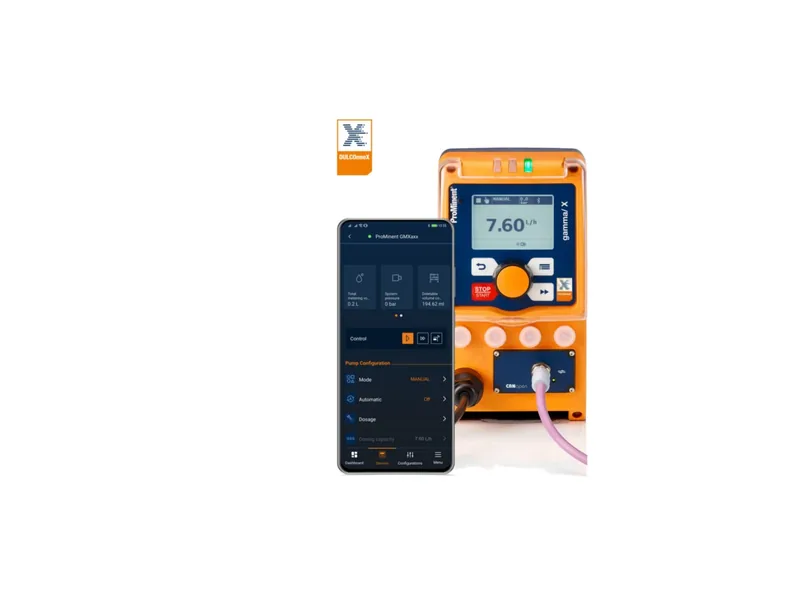
Figure 1: ProMinent ProMinent gamma/X metering pump. Image source: ProMinent official website
- Corrosion. Carbon steel pipe, copper heat exchanger tubes and galvanized parts share the same water, so oxygen and galvanic corrosion are the main threats.
- Microbiology. Cold, slow-moving branches and expansion tanks grow bacteria and biofilm, which also cause microbiologically influenced corrosion.
Chemicals used in chilled water treatment
Because a closed loop holds its chemistry, you can use formulations that would be too expensive in an open system:
- Corrosion inhibitors such as nitrite-based, molybdate-based or blended products that film steel surfaces.
- Copper inhibitors, usually azoles, to protect chiller and terminal unit tubes.
- pH control to keep the water mildly alkaline so the inhibitors work.
- Non-oxidizing biocides, shock dosed at intervals to control bacteria and slime.
The product and dose should come from your water treatment supplier, based on loop metallurgy and makeup water quality. Some nitrite programs are consumed by bacteria, so corrosion control and biocide control in chilled water treatment have to be planned together.
Two ways to dose a closed loop
Bypass pot feeder. A pressure-rated pot is piped across the circulating pump. You isolate it, relieve pressure, pour in chemical, reopen the valves, and the differential pressure carries the chemical into the loop. It is simple and suits systems with very little makeup and periodic shot dosing.
Metering pump on the makeup line. Here the closed loop chemical dosing package is a tank plus a metering pump, injecting into the makeup line or the pressurization unit. A pulse output from the makeup water meter paces the pump, so every liter of makeup gets its share of inhibitor. For loops with significant makeup, frequent leaks, or limited site staff, this is the steadier option. See our chemical dosing skids for packaged systems; small solenoid pumps such as the ProMinent gamma/X are a common fit.
Many sites use both: the pot feeder for the initial charge and biocide shocks, the metering pump for ongoing makeup.
Clean and passivate new systems first
New chilled water piping is full of welding slag, oil, mill scale and construction debris. Inhibitor added to a dirty loop does very little. The correct sequence is high-velocity flushing, chemical cleaning to remove oil and rust, passivation, and only then the routine chilled water treatment program. Projects that skip this step to save a week often pay for it for years.
What to monitor in chilled water treatment
Adding chemical is not the same as getting results. Check these regularly:
- Makeup volume. A sudden rise in makeup on a closed loop means a leak. It dilutes your inhibitor and should be the first thing you look at.
- Inhibitor residual. Test with the supplier's method on a fixed schedule and top up when it drops.
- Conductivity and pH. Unexpected changes in either need explaining. Our article on cooling water conductivity explains what the readings tell you.
- Corrosion coupons. Coupons in a bypass rack, pulled and weighed at intervals, are the most direct proof that chilled water treatment is working. See cooling water corrosion coupons.
- Bacteria counts and appearance. Black water, odor or slime mean the biocide program has fallen behind.
Open tower programs work very differently. If you want to compare, read how cooling water dosing works.
Common problems on site
- Facility management changes hands, dosing logs stop, and nobody adds chemical for months.
- The metering pump is installed on the makeup line, but the water meter signal was never wired, so the pump runs on manual at a low rate forever.
- Loops drained for winter rust faster than loops in service. Wet layup with treated water is the better choice for chilled water treatment during shutdown.
Conclusion
Good chilled water treatment is about corrosion and microbiology, not scale. A closed loop keeps its chemistry, so steel inhibitor, copper inhibitor and biocide can work together. You can dose with a bypass pot feeder or with a metering pump paced by makeup flow, and loops with real makeup are better served by the pump. Clean and passivate new systems first, then track makeup volume, inhibitor residual, conductivity and coupons. If you need a dosing package or metering pump for a chilled loop, send us the system volume and makeup data and contact us for selection.
FAQ
Does a chilled water loop need scale inhibitor?
Usually it is not the priority. A closed loop barely concentrates, so hardness does not climb. If makeup is very hard or makeup volume is high, soften the makeup instead.
How often should chemical be added in chilled water treatment?
With a pot feeder, add chemical when tests show low residual. With a metering pump, dosing follows makeup continuously. Let the inhibitor residual set the schedule, not habit.
Why is my chilled water black?
Usually iron corrosion products and bacterial slime. Check inhibitor residual and bacteria counts together, and if needed shock with biocide before restoring inhibitor levels.
Can chilled water and cooling tower water use the same chemicals?
It is not recommended. Tower water is an open system focused on scale and biocide control. A chilled loop is closed and focused on corrosion inhibition, so the formulations differ.
Can a closed loop chemical dosing skid be installed outdoors?
Yes, with shading, frost protection and rain cover. Keep the chemical tank out of direct sun, and insulate or heat trace the pump and lines for winter.