
Boiler Chemical Feed Control Valve: Role Versus Pump Control
A boiler chemical feed control valve in a boiler dosing system usually does one or two of three jobs: send surplus chemical back to the tank, split one pump discharge among two or more boilers, or steady the pressure just ahead of the injection point. It is not a substitute for the metering pump. The pump sets the dose with stroke or speed; the valve handles distribution and pressure. This article is for boiler-house and water-treatment technicians. Principles and injection-point design are covered elsewhere; this page stays with the valve's role, and with when you can leave it out.
Where a boiler chemical feed control valve sits, and what it does
The usual locations are:
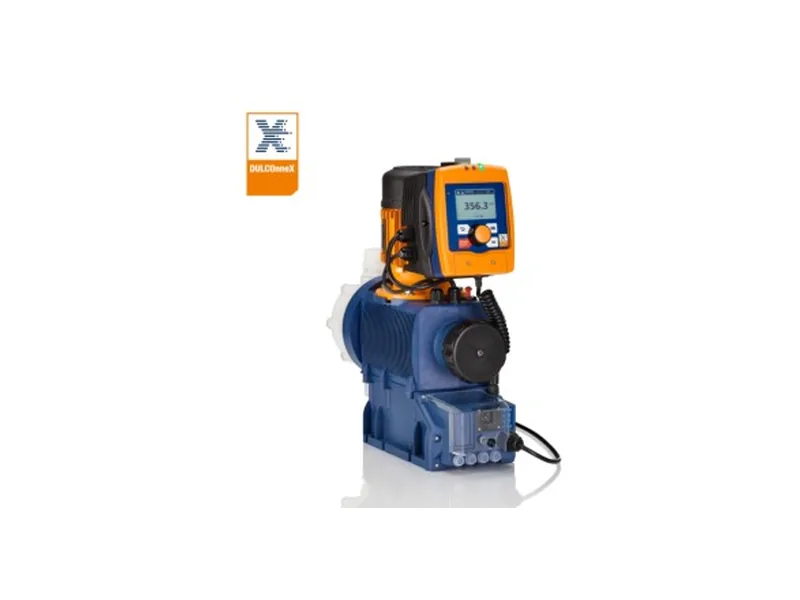
Figure 1: ProMinent Sigma X S2Cb control-type motor-driven diaphragm metering pump. Image source: ProMinent official website
- On a return line from the pump discharge back to the tank, to absorb the difference between what the pump delivers and what the boiler needs.
- On the branches to each boiler, when one pump feeds two or more units, so all of the flow does not take the lower-pressure path.
- Near the injection point, to hold a steadier back pressure when drum or feedwater pressure swings.
Unlike a block valve, a boiler chemical feed control valve must sit at a mid position for long periods. Using a gate or globe as a throttle, barely cracked open, wears the trim and makes the setting coarse. A relief valve is still required; the control valve is not over-pressure protection. Return and bypass roles are described in metering pump return and bypass valves. Check valves and high-pressure injection points are in boiler dosing system installation.
How the valve works with stroke and VFD control
Many metering pumps already adjust the dose: a manual or electric stroke, or a VFD on the motor. A control-type pump can also take a 4-20 mA or fieldbus signal and follow feedwater flow or a water-quality loop. ProMinent's Sigma X S2Cb is that kind of control-type motor-driven diaphragm metering pump, with the adjustment on the pump. In that layout a boiler chemical feed control valve is no longer the device that "changes the dose." It appears only if you still need recirculation, splitting or pressure steadying.
If both are in service, decide which one is the primary adjuster. If the pump is already following a signal, a wide-open recirculation split means the set point and the chemical that actually reaches the boiler no longer match. A practical split is: the pump sets the dose, and the valve only divides flow or holds a modest recirculation so the pump is not dead-headed.
If the pump will not follow its signal, see boiler dosing pump control faults. Clear the pump's hand/auto state and the signal before anyone strokes a boiler chemical feed control valve, or both ends move and nobody can say how much was fed.
When you can do without a boiler chemical feed control valve
One boiler, one metering pump, a fairly steady injection pressure, and enough turndown on the pump: you can often omit the valve. Fit a back-pressure valve, a check valve and a relief valve, and stop there. An extra valve is another leak path and another chance to set it wrong.
Add a boiler chemical feed control valve when one of these is true:
- One pump feeds two or more boilers with different branch pressures.
- The pump's lowest stable flow is still higher than the boiler needs at low load, so surplus must return to the tank.
- Injection pressure swings so much that the pump alone cannot hold a steady dose, and a short, steadier pressure section would help.
Do not treat the valve as a universal knob for a pump that cannot reach the point. It can split flow. It cannot raise the pump's rated pressure, and it cannot hide cavitation or leaking valves.
On a high-pressure feedwater or drum connection, isolate and depressurize, and follow the boiler-house lockout rule, before you open or change a valve. Hot water and chemical will spray if you do not.
During commissioning, set the pump stroke or speed for the expected load, measure what actually reaches the boiler, and only then trim a boiler chemical feed control valve for split or recirculation. Do not start the pump against a nearly closed valve, which is just another form of dead-heading. Write down the valve position and the pump set point so the next shift can see whether anyone moved them.
Conclusion
A boiler chemical feed control valve is for recirculation, distribution and pressure, not for replacing the metering pump as the dose setter. If stroke or speed can cover the range and the duty is one pump to one boiler, you may not need the valve. Use it when you split feed, recycle at low load, or must quiet a swinging injection pressure. See the dosing skid page and the ProMinent page. Send us the number of boilers, the injection points and how the pump is controlled, and contact our engineers to judge whether a valve is needed and where it should sit.
FAQ
Can a boiler chemical feed control valve replace the metering pump?
No. The valve does not create the displaced volume that metering needs. It can only split or throttle what the pump has already delivered.
We already have a back-pressure valve. Do we still need a boiler chemical feed control valve?
Not always. The back-pressure valve gives the pump a steady discharge pressure. The control valve is for recirculation, splitting or further steadying. On a one-to-one, stable-pressure duty, the back-pressure valve is often enough.
One pump serves two boilers. How should the valves be set?
Put a control valve and a check on each branch. Split toward the higher-pressure boiler first, then trim. A single valve on the header will not split the flow evenly.
Operators keep having to stroke the valve by hand. What does that mean?
The dose is probably changing, but the adjustment was left on the valve. Move flow control back to the pump stroke or VFD, and leave the valve on distribution or recirculation. The cranking will drop.
What does internal leakage look like?
A leaking recirculation valve means less chemical reaches the boiler than the pump set point suggests. A leaking branch valve lets chemical wander to the lower-pressure boiler. Check with a calibration column or with water analyses, not with valve position alone. That check belongs with any boiler chemical feed control valve in service.