
Aqueous Ammonia SNCR Injection: Metering, Dilution and Lances
An aqueous ammonia SNCR system has one job: deliver the right amount of reagent, at the right strength, into the part of the furnace where the flue gas temperature suits the reaction with nitrogen oxides. On paper it is a tank, some pumps, piping and lances. In practice performance depends on two things, how accurately the reagent is metered and how sensibly it is distributed. This article focuses on SNCR and covers the components, metering options, dilution and lance arrangement for aqueous ammonia.
Components of an aqueous ammonia system
A typical SNCR installation includes:
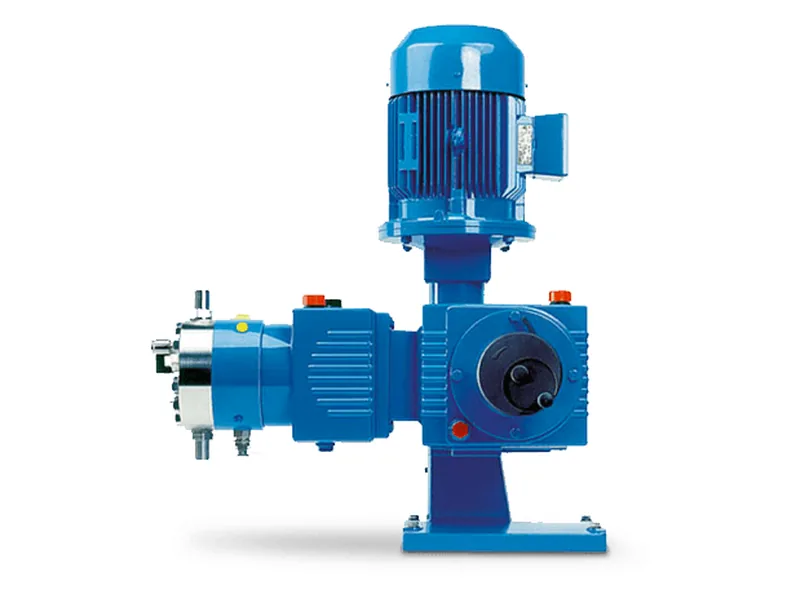
Figure 1: LEWA ecoflow hydraulic diaphragm metering pump. Image source: LEWA official website
- Storage tank: receives delivered aqueous ammonia, with level measurement, a breather valve and a vapor scrubber.
- Forwarding pumps: duty and standby, sending reagent from storage to the metering module.
- Metering module: measures and controls reagent flow in response to the control signal, and meters dilution water.
- Distribution module: splits the diluted reagent between injection levels and individual lances, with a flowmeter and valve on each branch.
- Injection lances: atomize the solution with compressed air into the right temperature zone.
Compared with urea SNCR, aqueous ammonia needs no dissolving or heating, so the system is simpler. Ammonia is volatile and irritating, however, so safety requirements are stricter. The urea equivalent is described in urea metering pumps for denitrification.
Metering: pump or flowmeter and valve
Two metering approaches are common:
- Direct metering pump: a metering pump delivers the reagent flow requested by the control system. Accuracy is good and control is direct, which suits small and medium boilers and incinerators.
- Forwarding pump with flowmeter and control valve: a forwarding pump supplies pressure, a magnetic flowmeter measures and a control valve adjusts, which suits larger systems with many lances.
Either way, the controller takes a nitrogen oxide, flue gas flow or boiler load signal and calculates the reagent demand from a set molar ratio. The calculation follows the same logic as in urea SNCR dosing rate, with a different reagent.
Response speed is what matters most in an ammonia metering module. When load ramps quickly, a sluggish loop lets outlet nitrogen oxides overshoot or ammonia slip climb.
Dilution water and mixing
Delivered aqueous ammonia is fairly concentrated, and spraying it neat gives a small liquid volume that atomizes and spreads poorly. Most systems add dilution water after the metering module to reach a working strength before distribution. Use demineralized or softened water; hard water scales the lances.
Dilution water flow is usually held fairly constant while the reagent flow follows load. That keeps total lance flow and atomization steady. A static mixer ensures the two streams blend fully before they split.
Unloading and storage
Many leaks start at delivery. Use a dedicated unloading connection with a vapor return line to the tanker or scrubber, and keep the tank's breather and scrubber in good order. Tanks in hot climates may need shading. Warm aqueous ammonia releases more vapor, raises tank pressure and makes forwarding pumps more prone to cavitation. Size the suction line generously.
Lance layout and distribution
Lances sit where flue gas temperature falls in the effective window, such as the upper furnace or a cyclone outlet. Too hot and the ammonia oxidizes and can actually form nitrogen oxides; too cool and the reaction slows and ammonia slip rises. Large boilers have several lance levels and switch between them as load changes so the reagent always lands in the right window.
Each distribution branch should be individually adjustable and measured. During commissioning, branch flows are trimmed against the outlet nitrogen oxide profile. Keep compressed air pressure stable, because droplet size and removal efficiency change with it.
Pumps and materials
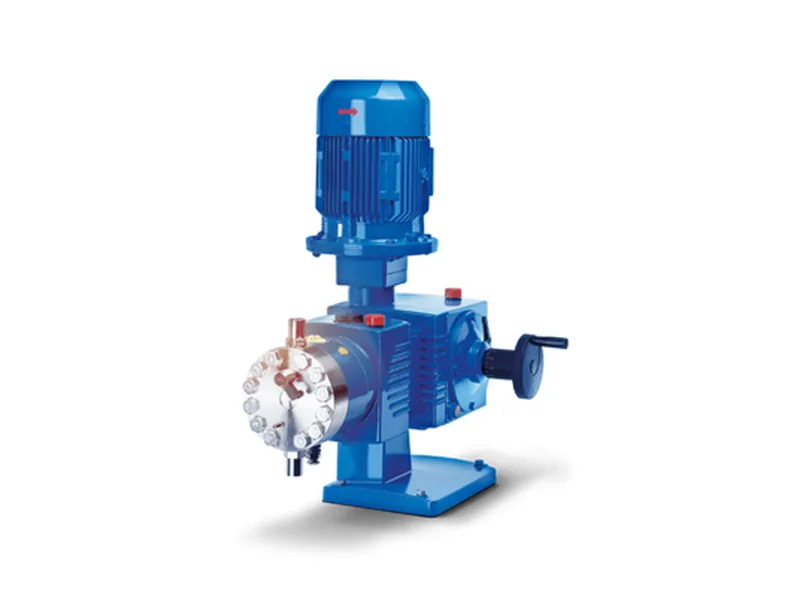
Ammonia attacks copper and copper alloys, so no wetted part should contain them; stainless steel is the norm. Where a metering pump meters aqueous ammonia directly, hydraulic diaphragm or mechanical diaphragm pumps are preferred because the diaphragm keeps the reagent sealed in. The LEWA ecoflow hydraulic diaphragm metering pump is one process-duty example; see our LEWA ecoflow page and the hydraulic diaphragm pump category.
Power plants also dose ammonia into condensate and feedwater for pH control, but that is a low-concentration, low-flow duty with different selection rules, covered in condensate ammonia dosing.
Common problems with aqueous ammonia SNCR
What operators see most often:
- High ammonia slip: too much reagent, lances in a cool zone or poor atomization. Downstream air heaters foul as a result.
- Low removal efficiency: lance levels not switched with load, or uneven distribution.
- Blocked lances: scale from hard dilution water, or no purge after shutdown.
- Ammonia odor at the tank farm: leaks at the breather, flanges or pump seals.
Ammonia vapor is toxic and irritating. Install leak detection and water sprays around storage and the metering module, and isolate, drain and purge before maintenance, wearing appropriate respiratory protection.
Conclusion
An aqueous ammonia SNCR system needs both metering and distribution done well. Meter quickly in response to nitrogen oxide and load signals, using a metering pump on smaller systems and a flowmeter with control valve on larger ones. Dilute with demineralized water at a steady rate, place lances in the right temperature window across several levels, and make every branch measurable and adjustable. Avoid copper, and plan properly for ammonia leaks. Send your boiler or furnace type, flue gas flow and emission targets through the contact page and we will review metering and distribution for your aqueous ammonia system.
FAQ
How does aqueous ammonia compare with urea for SNCR?
Aqueous ammonia needs no dissolving or decomposition, so the system is simpler and responds faster; urea is safer and easier to store but needs dissolving and heating.
Why dilute before injection?
A larger liquid volume atomizes and spreads more evenly, so lances are less likely to overdose one area.
Can tap water be used for dilution?
It is not recommended. Hard water scales lances and piping; demineralized or softened water is the norm.
What should I do about high ammonia slip?
Check reagent flow and molar ratio, then lance temperature and atomization, and adjust which levels are in service.
Can an ammonia metering pump have copper parts?
No. Ammonia corrodes copper and its alloys, so wetted parts are normally stainless steel.