
Wellhead Chemical Injection Pump: High Pressure, Low Flow, No Power
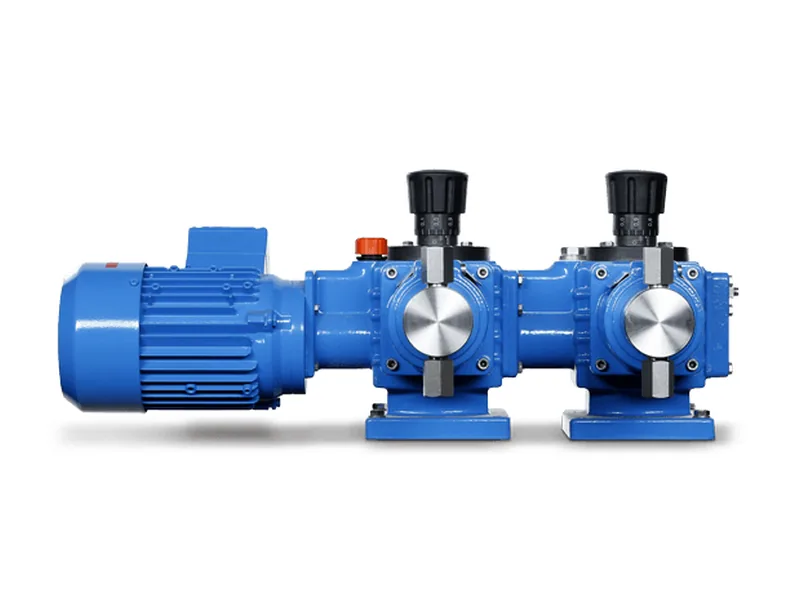
A wellhead chemical injection pump has two jobs that pull in opposite directions: it must overcome tubing or casing pressure at the wellhead, and it must deliver a very small, steady flow for weeks between visits. Methanol for hydrate control, corrosion inhibitor and paraffin inhibitor are all dosed this way, high pressure, low flow and continuous. On remote pads with no reliable power, the drive becomes half of the selection.
This guide is for production and facilities engineers at oil and gas operators, and for integrators who build wellsite injection skids. It does not cover large refinery or plant injection systems; the focus here is the single well.
Single-well injection vs a central chemical station
A central station has larger flows, grid power and operators nearby, with a row of pumps serving many wells. Wellhead injection is different: one pump or one small skid per well, tiny volumes, pressure that changes with well conditions, and inspections that may be days apart.
So before selecting a wellhead chemical injection pump, get three answers. Where is the injection point: production tubing, the casing annulus or the flowline? What is the maximum pressure at that point? Is there power on site? Those three answers largely decide the pump type and drive.
Chemicals commonly injected at the wellhead
Methanol for hydrate prevention with a wellhead chemical injection pump
Gas wells and gassy oil wells can form hydrates at the choke or in cold weather, plugging chokes and lines. Methanol is usually injected upstream of the choke. The rate depends on gas volume, water content and temperature, and it rises sharply in winter. Methanol is flammable and has low viscosity, so the pump and piping must suit the hazardous area and the seals must be methanol-compatible.
Corrosion inhibitor
Wells producing CO₂, H₂S or high-salinity water often get continuous corrosion inhibitor down the annulus, or periodic batch treatments. For continuous injection the flow from the wellhead chemical injection pump is tiny, so stable low-end performance matters more than maximum capacity.
Paraffin inhibitor and others
Waxy crude cools in the upper wellbore and drops paraffin; paraffin inhibitor typically goes in through the annulus. Some wells also need scale inhibitor or demulsifier. Viscosity varies widely between products, and some paraffin inhibitors thicken badly in winter, which is easy to overlook.
Which wellhead chemical injection pump type fits
For high pressure low flow injection, the usual choices are a plunger metering pump, or a high-pressure mechanical or hydraulic diaphragm pump. Plunger pumps are simple and reach high pressure, but packing allows slight leakage, which is acceptable for methanol or inhibitors when leakage is collected. Diaphragm pumps are leak-free and give more peace of mind for toxic or sour service. The rated pressure must exceed the maximum injection point pressure with margin, and the discharge needs a relief valve and a check valve. See our high pressure metering pump selection guide.
The injection point matters just as much. When the pump stops, well pressure will push fluid back up the chemical line, so fit a proper injection valve with double check protection, as explained in what a dosing pump injection valve does.
Driving a wellhead chemical injection pump without power
This is where wellsite work differs most from plant work. The common options:
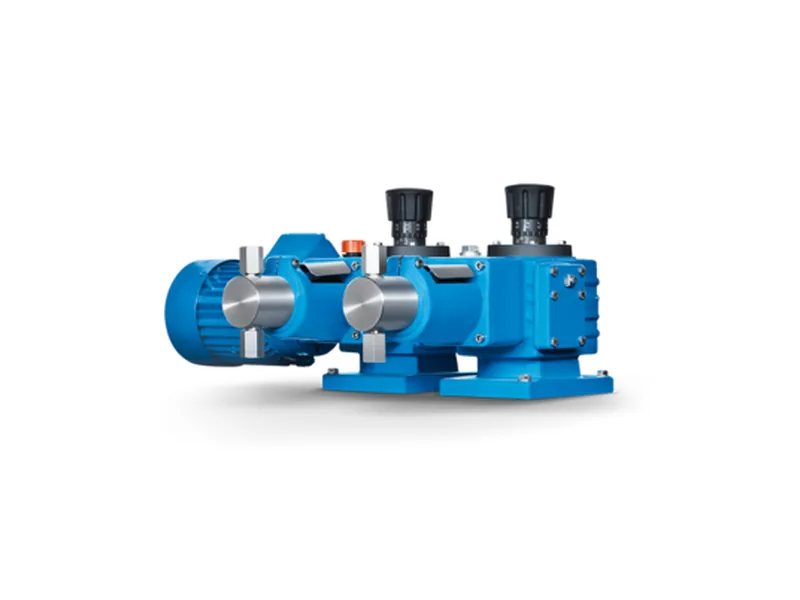
Figure 1: LEWA ecoflow packed plunger metering pump. Image source: LEWA official website
- Pneumatic pumps. Driven by instrument air or wellhead gas. Simple and inherently suited to hazardous areas. Using produced gas means venting or consuming gas, supply pressure swings affect flow, and gas lines can freeze in winter.
- Solar electric pumps. Solar panels and batteries power a DC motor. Flow is steady and can be adjusted remotely. Size the battery bank for local winter sunlight and the longest run of cloudy days, and check battery performance in cold climates.
- Grid power or engines. Grid power is easiest where it exists. Gas or diesel engine drives are mostly used on larger packages.
LEWA builds Chemical Injection Packages with pumps driven by electric motors (including solar power), compressed air, gas or diesel engines, and offers wetted materials such as Incoloy, Monel, titanium and Hastelloy for offshore platforms and very hot or very cold sites. For a single pump, the LEWA ecoflow plunger metering pump is one option. Read where LEWA metering pumps fit, browse plunger metering pumps, or visit the LEWA brand page.
Wellhead chemical injection pump details that get missed on site
- Winter protection. Heat trace or insulate chemical lines, injection points and pneumatic supply lines, especially for water-based chemicals.
- Tank venting. Methanol tanks need a breather valve and flame arrestor so gas cannot back up into the tank.
- Flow verification. Give every wellhead chemical injection pump a calibration column and measure actual output during rounds instead of trusting the stroke dial.
- Materials. On sour wells, wellhead chemical injection pump wetted metals must meet sour-service requirements, and elastomers must resist methanol and aromatics.
Safety note: before opening an injection point or pump head, close the wellhead root valve, bleed off line pressure and confirm no gas remains. Methanol and wellhead gas are both flammable, so no open flames.
Conclusion
Pick a wellhead chemical injection pump by first fixing the injection point pressure and the chemical, then the drive. High pressure low flow duty usually means a plunger pump or a high-pressure diaphragm pump. Use power where it exists; on unpowered pads, choose between pneumatic and solar based on gas supply, sunlight and how often the site is visited. Get the check valves, winter protection and flow verification right and the pump will run reliably. Send us wellhead pressure, chemical name, daily volume and the site power situation, and contact our engineers for a pump and drive proposal.
FAQ
How low can the flow of a wellhead chemical injection pump go?
It depends on pump type and size. Small plunger pumps can run at very low rates; give us the daily injection volume and we will check it against the curves.
Can a pneumatic injection pump run on wellhead gas?
Yes, many sites do this. Check venting and safety rules, filter and regulate the gas, and protect the supply line from freezing.
Does a methanol injection pump need to be explosion-proof?
Yes. Methanol is flammable, and the area around a wellhead chemical injection pump is usually a classified zone, so motors and instruments need a matching rating.
How many cloudy days can a solar injection pump handle?
That depends on the battery bank. Size it from local cloudy-day records and the pump's power draw, with extra margin for cold climates.
Can one pump serve several wells?
A wellhead chemical injection pump can serve several wells through multiple heads or a flow divider, but different well pressures interfere with each other. One pump head per well is the safer layout.