
Dosing Pump for Water Treatment: Solenoid Pumps in Purification
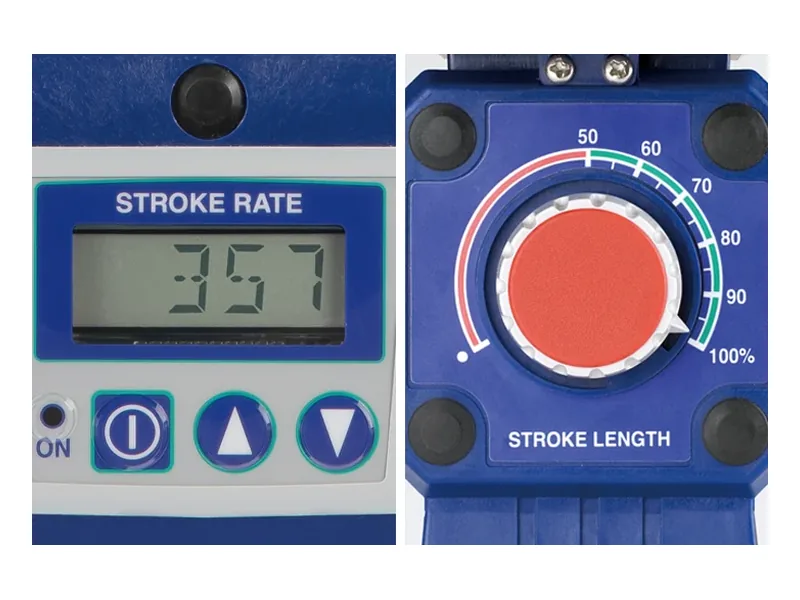
A dosing pump for water treatment does one simple job: it adds the right chemical, at the right point, in proportion to the water flowing through the plant. On compact purification systems the dose is usually only a few liters per hour, which is why the small solenoid metering pump has become the default dosing pump for water treatment on package plants, RO skids and village water systems. This guide walks through where each pump sits, how to pace it and what goes wrong in the field.
Where the dosing points usually are
Every process is a little different, but on a typical purification line the chemical injection points run roughly in this order:
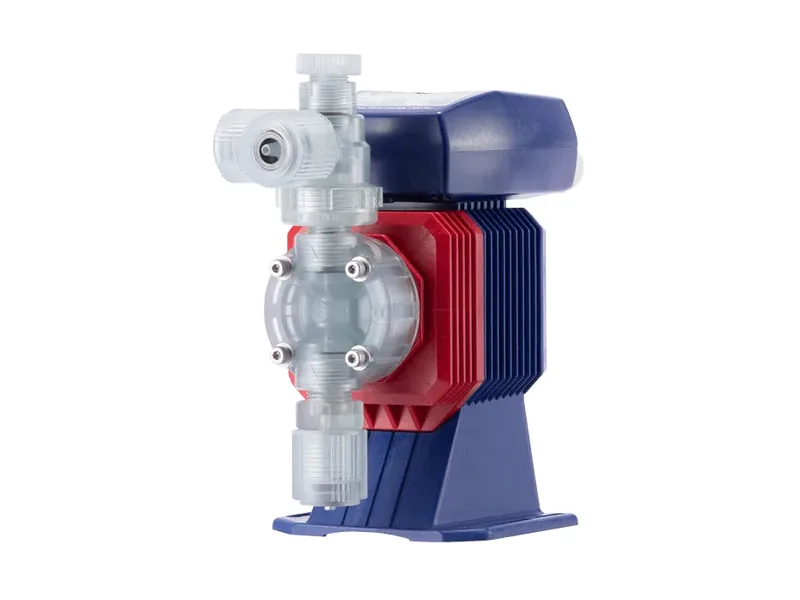
Figure 1: Iwaki EHN electromagnetic metering unit. Image source: Iwaki official website
- Coagulant such as PAC or alum, injected before a static mixer so fine particles form floc that the filter can catch.
- Pre-oxidation with a small amount of sodium hypochlorite when the raw water carries iron, manganese or organics.
- Sodium bisulfite (SBS) ahead of the RO membranes to remove free chlorine.
- Antiscalant ahead of the RO to keep the concentrate side from scaling.
- Final disinfection with hypochlorite into the clear well or the outlet main, so the network keeps a chlorine residual.
- pH correction with caustic or acid when the raw or product water needs it.
A small filter unit may only have two of these. A full RO plant can have five or six, and each one needs its own dosing pump for water treatment, since chemicals cannot share a pump head.
Why a solenoid dosing pump for water treatment
A solenoid pump drives the diaphragm with an electromagnet instead of a motor and gearbox. On purification skids that brings some very practical benefits:
- Wide turndown, because both stroke length and stroke frequency are adjustable, so a dose of a few liters per hour is easy to hold.
- Direct input from a pulse water meter or a 4–20 mA signal, so the dose follows the flow.
- A compact body that mounts on a wall bracket or a tank lid, which suits containerized and skid-mounted plants.
- Head materials such as PVDF or PVC that handle hypochlorite, acids and caustic.
There are limits. A large municipal plant dosing a lot of PAC will typically choose a motor-driven diaphragm unit, because the flow and duty are beyond what a solenoid pump handles comfortably. For small and mid-size systems, though, the solenoid dosing pump for water treatment is hard to beat on cost and simplicity.
Pacing a dosing pump for water treatment to the flow
The two classic failures are dosing when there is no water, and under-dosing when the flow doubles. There are three common control approaches.
Fixed dose with interlock
If the raw water pump runs at a fixed speed, set stroke and frequency for the design dose and start and stop the dosing pump with the raw water pump. It is simple, cheap and reliable.
Flow-paced dosing
Fit a pulse output water meter on the inlet and wire it to the external input of the pump. Each pulse triggers one or more strokes, so the chemical concentration stays roughly constant as the flow swings. This is the usual setup for a dosing pump for water treatment in drinking water service.
Residual feedback
For final chlorination, a residual chlorine analyzer can trim the pump through a 4–20 mA signal. Keep the sample point far enough downstream for proper mixing, or the loop will hunt. Our guide on chlorine residual monitoring in hypochlorite dosing rooms covers analyzer placement.
Common problems in the field
Gas lock on hypochlorite is the number one complaint. Sodium hypochlorite slowly breaks down and releases gas. Bubbles collect in the pump head, the pump keeps clicking, yet almost nothing is delivered, and the residual drops. A chlorine dosing pump for water treatment should ideally have a self-degassing head, or at least be bled on a schedule. The IWAKI EHN series offers an auto-degassing head option; see IWAKI EHN auto-degassing vs high-pressure heads and the IWAKI brand page.
Siphoning is the second. When the injection point is at low pressure, or the tank sits above it, chemical keeps flowing after the pump stops. A back-pressure valve on the discharge stops this.
Missing interlocks come third. If the dosing pump for water treatment keeps running after the raw water pump stops, chemical builds up in the pipe and the first water after restart tastes strongly of it. Take the run signal from the raw water pump or the meter.
Scaling at the injection quill is fourth. Hypochlorite meeting hard water forms deposits at the tip, so pull and clean the injection valve regularly.
Extra points for drinking water projects
For rural supply, building booster systems and other potable water work, the chemicals and wetted materials usually need to meet local drinking water approval rules, and the dose should be set from water quality tests rather than guesswork. Our article on rural drinking water disinfection dosing shows a typical small hypochlorite setup. You can browse models on the solenoid metering pumps page.
Wear goggles and gloves when mixing or changing drums, and never store hypochlorite next to acid.
Conclusion
A dosing pump for water treatment puts coagulant, disinfectant, antiscalant and SBS into the process in proportion to the flow. For small and mid-size purification plants a solenoid pump is usually the right choice, provided you deal with gas lock on hypochlorite, fit a back-pressure valve at low-pressure injection points and interlock the pump with the raw water supply. Send us your flow rate, injection points and chemicals and we will help you size each dosing pump for water treatment. Contact us for a recommendation.
FAQ
How many pumps does a purification skid need?
Usually one pump per injection point, because different chemicals cannot share a head. A critical disinfection point may have a duty and standby dosing pump for water treatment.
Can I dose undiluted chemical?
Yes, depending on concentration and dose. If the stroke length ends up very short, diluting the chemical typically gives better accuracy.
Can a solenoid pump take a water meter signal directly?
Most pumps with an external input accept a pulse meter. Check whether the meter output is a dry contact or a powered signal before wiring it.
Why does the chlorine residual swing up and down?
Check the head for gas lock first, then check for flow swings. A fixed-dose dosing pump for water treatment cannot follow changes in flow.
Should the dosing pump stop when the plant stops?
Yes. Dosing with no flow lets chemical collect in the pipe, so the first water after restart is overdosed.