
Sodium Hypochlorite Dosing Pipe Return Line: Why Two Pipes?
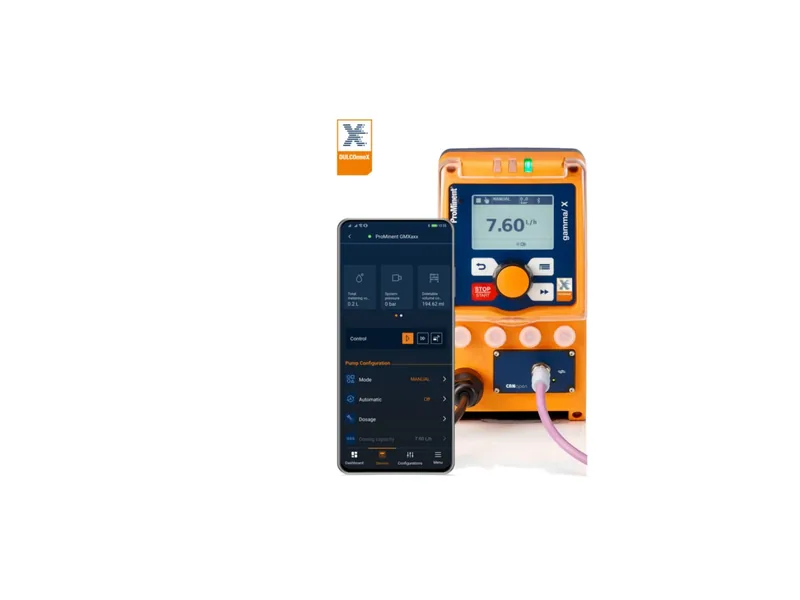
Two pipes on a bleach pump are normal. One is the discharge line running to the injection point. The other is the sodium hypochlorite dosing pipe return line, running from the pump head bleed port, a multifunction valve or a relief valve back to the tank. The first one doses; the second one sends gas and excess chemical home. On hypochlorite service that second pipe often matters more than on any other chemical.
Where Does the Sodium Hypochlorite Dosing Pipe Return Line Come From?
On site, the second pipe usually has one of three sources:
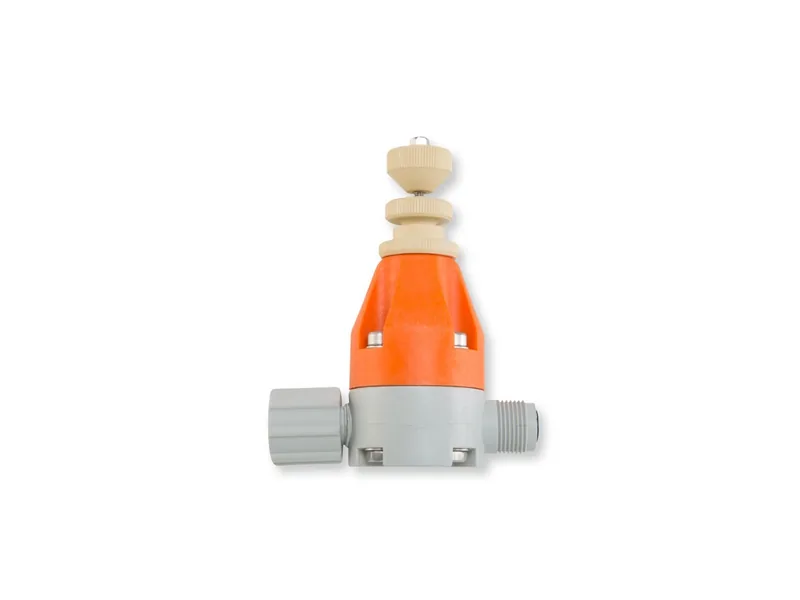
Figure 1: ProMinent back pressure and multifunction valve. Image source: ProMinent official website
- Degassing return from the pump head. Solenoid pumps with a self-degassing or self-bleeding head have an extra port; gas bubbles and a little liquid leave through it and go back to the tank.
- Bypass from a multifunction valve. A valve mounted on the pump outlet combines back pressure, pressure relief and priming aid, and its bypass port returns liquid to the tank when it relieves.
- Relief valve discharge. A separate relief valve on the discharge line sends chemical back to the tank when it lifts.
All three get called the return line, but they do different jobs. Follow the tube back to the component it leaves from and you will know which one you are looking at.
Why Bleach Needs a Sodium Hypochlorite Dosing Pipe Return Line
Sodium hypochlorite is unstable. It decomposes slowly in storage, faster with heat, light or metal contamination, and it gives off gas as it does. When those bubbles reach the pump head, the diaphragm compresses gas instead of pushing liquid. That is gas lock.
With most chemicals an occasional bubble is cleared by opening the bleed valve once. Hypochlorite gasses continuously, and manual bleeding cannot keep up. The sodium hypochlorite dosing pipe return line gives that gas a permanent exit, carrying it back to the tank with a small amount of liquid so the head stays full.
Can the Multifunction Valve Bypass Be Left Open?
No. Take ProMinent as an example. For the multifunction valve used on gamma/X and Beta solenoid pumps, ProMinent's documentation states that the bypass line has to stay connected. The valve acts as a back pressure valve and a relief valve; if the outlet blocks or someone shuts a valve, the pump delivers back into the storage tank. It also works as a priming aid without loosening the discharge line.
Leave that port unpiped and the first relief event sprays hypochlorite around the pump, onto equipment and possibly onto people.
How to Route the Sodium Hypochlorite Dosing Pipe Return Line
It looks simple, yet routing mistakes are common:
- Return to the top of the tank, outlet above the liquid or only just submerged. Do not tie it into the pump suction, or the gas simply goes back into the head.
- Keep a continuous fall toward the tank, with no high loops or U-shaped low points.
- No valve on the return line, and nothing anyone can casually close.
- Use a hypochlorite-resistant material, the same class as the discharge line. Translucent tubing lets you see that it is flowing.
- Keep it out of sunlight; UV makes tubing brittle.
Common Problems With a Sodium Hypochlorite Dosing Pipe Return Line
Someone closes it. An operator sees chemical dripping back, assumes it is a leak and fits a valve or clamps it shut. Degassing stops and the pump gas-locks within hours.
Crystals block it. Where hypochlorite meets air at the tube outlet, water evaporates and salts crystallize. A small-bore sodium hypochlorite dosing pipe return line is the first place to block. Check the outlet on routine rounds and clean off any white deposits.
Too much returns. A badly set bleed or multifunction valve can recirculate a large share of the pump output, so the real dose falls. After commissioning, confirm the delivered dose with a calibration column or tank level.
The relief outlet is hidden. If the relief discharge cannot be seen, a passing relief valve goes unnoticed and the dose quietly drops.
Is One Pipe Ever Enough?
On a small system with the tank right next to the pump, short pipework, stable back pressure and no auto-degassing head, a single discharge line plus a manual bleed valve can work. For continuous hypochlorite dosing, a pump mounted above the tank, or warm summer conditions, we recommend a degassing head or a multifunction valve with a sodium hypochlorite dosing pipe return line fitted.
Conclusion
The two pipes split the work: the discharge line delivers bleach, and the sodium hypochlorite dosing pipe return line handles gas and relief flow. It may come from the head bleed port, a multifunction valve bypass or a relief valve, and in every case it goes back to the top of the tank, not into the suction and not valved off. For the difference between return and bypass valves see metering pump bypass valve and return line; for gas lock see sodium hypochlorite dosing gas lock; for pump choice see sodium hypochlorite dosing pump selection. Browse dosing accessories and the ProMinent brand page, or send us your tank position, line length and dose rate and contact our engineers to check your sodium hypochlorite dosing pipe return line layout.
FAQ
Is it normal for the return line to drip constantly?
Yes, on an auto-degassing head a small return flow is how gas is carried away. If the flow is large and the dose is clearly low, check the bleed or multifunction valve setting.
Can I connect the return line to the suction pipe to save a tank port?
No. Gas returned to the suction is drawn straight back into the head. Every sodium hypochlorite dosing pipe return line should end at the top of the tank.
What tubing should I use?
The same hypochlorite-resistant class as the discharge line, typically translucent PE or PVC so you can see the flow, shielded from sunlight outdoors.
Do the two pipes need the same diameter?
No. The return flow is small, so size it to the bleed port or valve connection. Size the discharge line for flow and pressure.
Can a manual bleed valve replace the sodium hypochlorite dosing pipe return line?
Not really. A manual bleed valve handles occasional air, but hypochlorite gasses continuously, so a permanent return path is needed.