
Pulsafeeder Pump Maintenance for Diaphragm, Valves and Hydraulic Ends
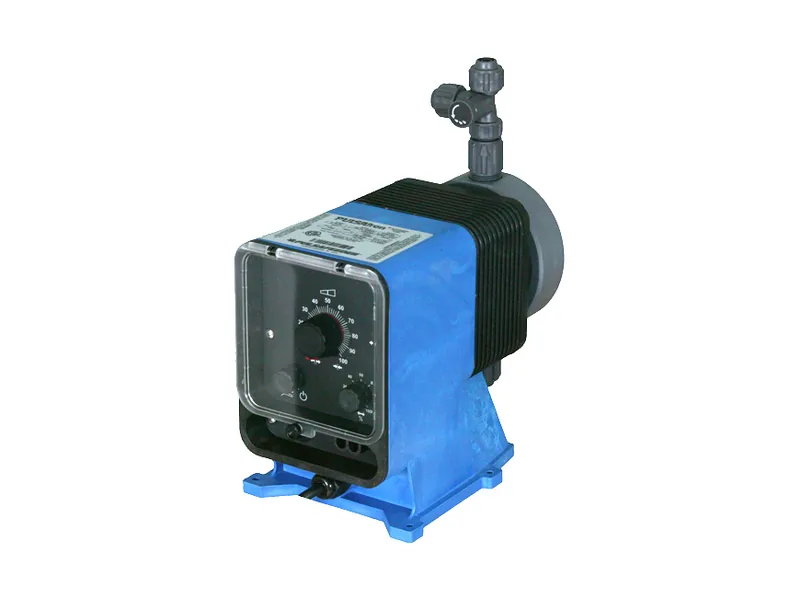
Pulsafeeder pump maintenance is the routine check and planned replacement work on installed Pulsatron solenoid diaphragm pumps and on Pulsa hydraulic diaphragm series, not a new selection exercise. How to choose a model is covered in Pulsafeeder metering pump selection. This page is for the people who look after the unit already on the skid. It lists leaks, valve kits, diaphragms and the hydraulic end, so a pump that still strokes is not left quietly under-dosing.
Daily checks in Pulsafeeder pump maintenance
Each shift, walk a short list like this:
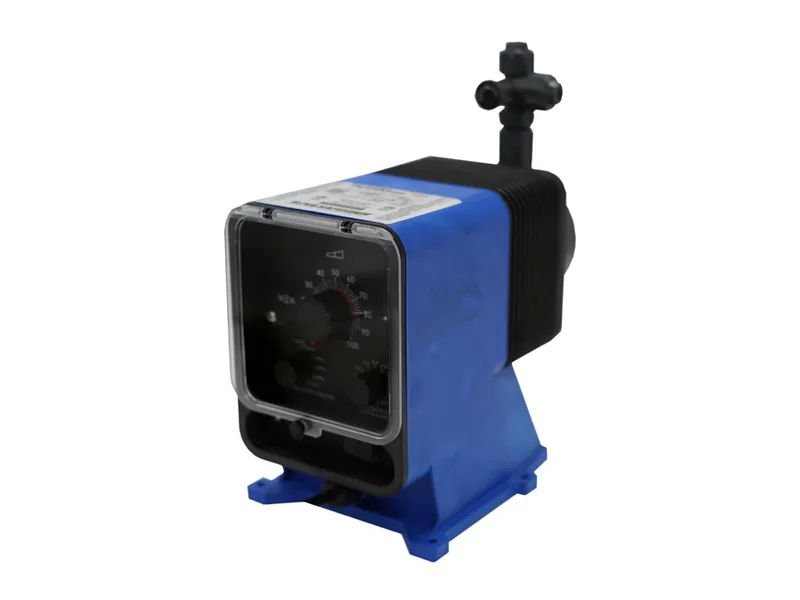
Figure 1: Pulsafeeder Pulsatron E Plus solenoid diaphragm metering pump. Image source: Pulsafeeder official website
- Look at the head and the pipe joints for seepage, and check that the leak-off or vent is dry;
- Listen for a change in the usual sound, and on a solenoid pump also check that stroke frequency or percentage has not been changed by someone else;
- On a hydraulic series, check oil level and whether make-up looks normal. A low tank level or a dirty strainer can look like a weak pump, so clear those first.
If the dose has changed, check it with a column or a scale, as in metering pump calibration. A sudden calibration miss is often a sticky valve ball, a diaphragm starting to seep, or a change in discharge resistance, not a reason to twist the knob first. Pulsafeeder pump maintenance should make "measure the flow, then decide what to open" a habit, so the pump is not stripped without cause.
Pulsatron units are common on cooling water and general treatment skids, and the valve kit and diaphragm are the wearing parts. A Pulsatron E Plus still has to be serviced from its own manual; do not mix strip-down steps from another series. Good Pulsafeeder pump maintenance starts by matching the series on the nameplate.
When to inspect or replace the diaphragm and the valve kit
Do not wait for a complete rupture. Plan a change when chemical appears at the leak-off, when flow keeps falling at a fixed setting, or when the maker's interval is reached. Fit the new diaphragm in the right orientation and to the stated tightening, because a twist or a trapped speck will usually make a new film seep soon. On the valve kit, look at balls, seats and springs: scale, grooved seats or a tired spring will leave the pump short or allow backflow after a stop.
Clean the kit with a compatible fluid and refit the flow direction correctly. Whether the wetted materials still suit the current chemical can be checked against head and valve-ball materials. If the fluid has changed, Pulsafeeder pump maintenance cannot simply follow the factory build. The valve kit and the diaphragm are the two parts you will replace most often, so spares should match the series and the head, not a look-alike film.
Do not skip the hydraulic end or the electrical side
Hydraulic diaphragm series also need a look at the hydraulic end: oil level, milky or discoloured oil, and whether the make-up and relief valves still act. Water or chemical in the oil should be handled as the manual says; do not only top the oil up. Unusual noise or a clear temperature rise is a reason to stop, not to add load.
On a solenoid pump, check supply, earthing and loose terminals, and whether covers and gaskets are still in place. In a damp or outdoor room, a wet terminal box will typically cause false trips or corrosion. If an external signal sets the pump, do not change the local set point during Pulsafeeder pump maintenance and fight the cabinet.
If the plan or the spare list is unclear, send the series nameplate, the fluid and the running hours, and contact us to list the checks. Series pages are under Pulsafeeder and Pulsatron E Plus. Match the model before you order a diaphragm or a valve kit. For a more aggressive fluid, shorten the interval, and change a seeping diaphragm promptly. After a long standstill, inspect the valves and the hydraulic end before you return to the usual stroke. Align Pulsafeeder pump maintenance with a process shutdown window so the interval is actually kept.
Keep a short record of date, running hours or stroke, leaks, parts replaced and the calibration result. Those notes are how you later judge diaphragm life and spare quantities. Pulsafeeder pump maintenance that leaves no record will usually drift back to "change it when it leaks".
Conclusion
Pulsafeeder pump maintenance should watch leaks, whether the flow is still true, and whether the diaphragm and valve kit are due, with oil level and oil condition added on a hydraulic series. Calibrate first, then decide what to open; that is steadier than changing stroke at once. Selection belongs on the existing selection page. This page only covers how to look after a pump already in service. Match wearing parts to the series, and Pulsafeeder pump maintenance is much less likely to fit the wrong spare.
FAQ
How often should Pulsafeeder pump maintenance replace a diaphragm?
Follow the series manual and the real fluid. A strongly corrosive duty, or 24-hour running, usually needs a closer watch. Seepage at the leak-off should not be left.
How does solenoid service differ from a hydraulic diaphragm unit?
A solenoid pump centres on the diaphragm, valve kit and wiring. A hydraulic series also needs oil and hydraulic-end valves. Do not use one list for both designs.
Can I clean the valve kit and leave the diaphragm in place?
A dirty kit is a common cause, and a clean often restores flow. If there is already seepage, or the diaphragm is due, change both, or you will typically stop the pump again soon.
After a diaphragm change, flow is still off. What should I check first?
Confirm the film is seated and the valve direction is correct, then calibrate with a column. If it is still off, look for a line leak, back pressure and the injection valve. Do not keep stripping a new diaphragm.
What should a maintenance record include?
At least the date, running hours or stroke setting, leak status, the part specification you fitted, and the calibration result. You will need that later when you plan Pulsafeeder pump maintenance intervals and spares.