
Plunger Pump Bearing Failure: Lubrication, Alignment and Load
Plunger pump bearing failure on a metering pump almost always has one of three causes: poor or wrong lubrication, misalignment between the motor and the pump, or discharge pressure that sits too close to the rated limit for too long. Rough installation and water in the gearbox oil account for most of the rest. Bearings are wear parts, but under normal duty they last for years. If they keep failing, something in the installation or operation is wrong.
This guide is written for maintenance technicians and plant engineers who run packed plunger metering pumps in water treatment, chemical and oil and gas service. It covers what to look for before a bearing gives up, how to find the root cause, and what to do when you replace it.
Where the Bearings Sit and What Loads Them
Inside the drive housing, the worm shaft and the eccentric or crank shaft each run on rolling bearings. Every stroke the plunger pushes back against the discharge pressure, so the bearings see a load that rises and falls dozens of times a minute. A larger plunger diameter or a higher discharge pressure means a larger plunger force. That is why plunger pump bearing failure shows up first on high-pressure pumps, even when the maintenance routine is identical to the low-pressure units next to them.
Warning Signs Before Plunger Pump Bearing Failure
A plunger pump bearing failure rarely happens without notice. Watch for these signals:
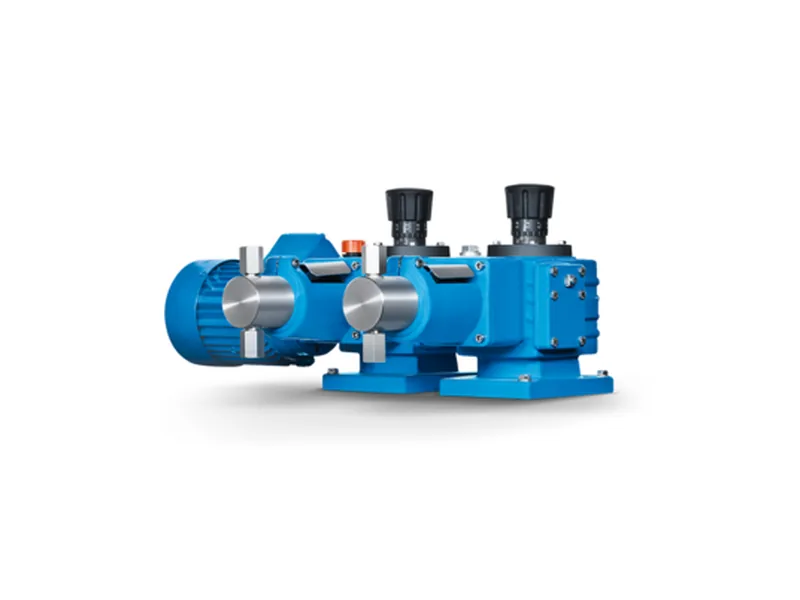
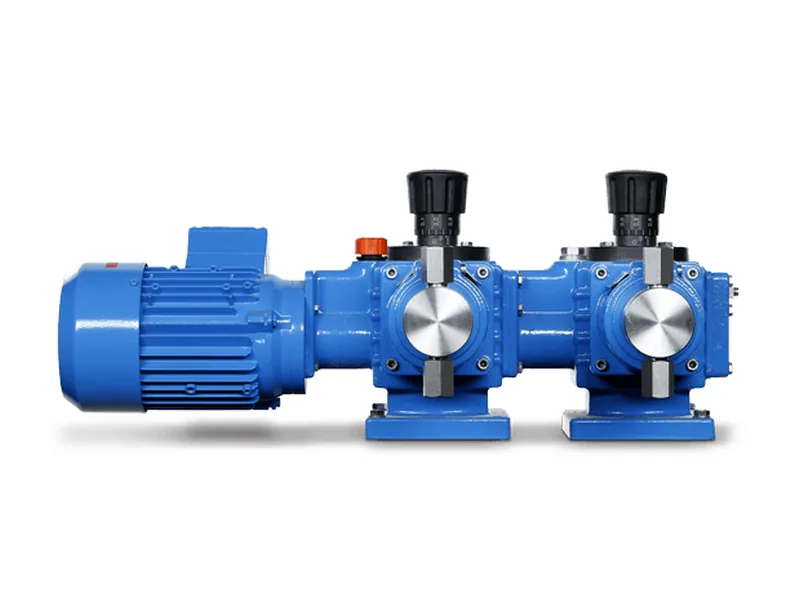
Figure 1: LEWA 力华 ecoflow packed plunger metering pump. Image source: LEWA 力华 official website
- The gearbox runs noticeably hotter than usual to the touch.
- A steady hum or grinding noise that grows with motor speed.
- More vibration at the coupling or the input shaft.
- Dark oil, or metal particles in the drain oil.
- Small swings in stroke and delivered flow.
Two or more of these together mean you should plan a shutdown. On a duplex or multiplex pump that shares one crankshaft, start with the bearing housing that is hotter or louder.
Root Causes of Plunger Pump Bearing Failure
Low, old or wrong gearbox oil
This is the number one cause of plunger pump bearing failure. If the level drops below the sight glass, the upper part of the bearing runs dry. Old oil oxidizes and thins out, and the film can no longer carry the load. Mixing two different oil grades is another common mistake. Use the oil grade and change interval in the manufacturer's manual. That single habit prevents more plunger pump bearing failure than any other.
Motor-to-pump misalignment
When the motor shaft and the gearbox input shaft are not concentric, the coupling pushes a radial load into the input bearing. The bearing nearest the coupling usually fails first. Worn or crumbling coupling elements are a good clue. Re-check alignment after installation, after the pump is moved, and if the base plate has settled.
Overpressure and dead heading
A back pressure valve set too high, a partly blocked discharge line, or a relief valve that does not open can push the plunger force well above design. Bearing fatigue life drops sharply under overload, and plunger pump bearing failure follows. Setting back pressure "a bit higher to be safe" quietly eats bearing life.
Bad fitting and water ingress
Hammering a new bearing onto the shaft through the outer ring dents the raceways, and the bearing starts to whine within weeks. A blocked breather or a pump installed in a damp trench lets condensation form inside the housing. Water mixed into the oil leads to rust and pitting on the rolling surfaces.
How to Confirm the Cause on Site
Work through these checks in order:
- Oil: level, color, milky emulsion or metal particles. Milky oil means water; particles mean wear has started.
- Alignment: remove the coupling guard and check both shafts with a straight edge or dial indicator.
- Pressure: compare the discharge gauge with the nameplate rating. Is the pump running at its limit all day?
- Failure pattern: heavy wear on one side of the raceway points to misalignment; blue discoloration all round points to lubrication; rust spots point to water.
Fix the cause of the plunger pump bearing failure before you fit a new bearing. Otherwise the replacement will fail just as fast. For the teardown sequence, see our guide to plunger metering pump disassembly steps.
Replacing the Bearing Correctly
- Pull the old bearing with a puller. Heat the new one or press it with a sleeve, and only apply force to the ring with the interference fit.
- Inspect the shaft journal and the housing bore. A loose fit must be repaired first.
- Refill with the specified oil to the middle of the sight glass.
- Run the pump unloaded first, listen and check temperature, then raise pressure in steps.
If the gearbox also leaks oil, replace the shaft seals at the same time. Our article on dosing pump oil leak causes explains where those leaks start.
Routine Care That Extends Bearing Life
A few habits prevent most plunger pump bearing failure: check the oil level on every round and change it on schedule; re-check alignment after every repair; set the back pressure valve to what the process actually needs; keep the breather clear and protect pumps in wet areas. Log gearbox temperature. A slow upward trend is one of the earliest warnings you can get.
Pumps such as the LEWA ecoflow packed plunger series use a heavy-duty drive unit, but no drive is immune to dirty oil or a misaligned motor. Treat the drive end with the same care as the liquid end.
Conclusion
Plunger pump bearing failure is mostly a lubrication, alignment or load problem, with poor fitting and water ingress close behind. Check the oil, verify alignment, compare actual pressure with the rating and read the failure pattern on the old bearing. Solve the cause first and the new bearing will last. You can compare drive designs on our plunger metering pump range and the LEWA metering pump page. If the case is unclear, contact our engineers with your operating data and photos of the failed bearing.
FAQ
How often should plunger pump bearings be replaced?
There is no fixed interval. With clean oil and normal load they last many years. Inspect them during the scheduled overhaul and watch temperature and noise trends in between.
Does a hot gearbox always mean a bad bearing?
No. Low oil, the wrong grade or constant overpressure also raise temperature. Rule those out before opening the gearbox.
Can I use a general gear oil instead of the specified grade?
It is not recommended. Viscosity and additives affect both the worm gear and the bearings, so stay with the grade the manufacturer lists.
Why did plunger pump bearing failure return after a few weeks?
Usually the root cause was not fixed. Misalignment, high pressure or a bearing damaged during fitting are the typical reasons.
Can the pump keep running after plunger pump bearing failure starts?
It should not. A seized bearing can damage the shaft and the worm gear, which turns a small repair into a major one.