
Plunger Metering Pump Noise: Gearbox, Plunger and Valve Checks
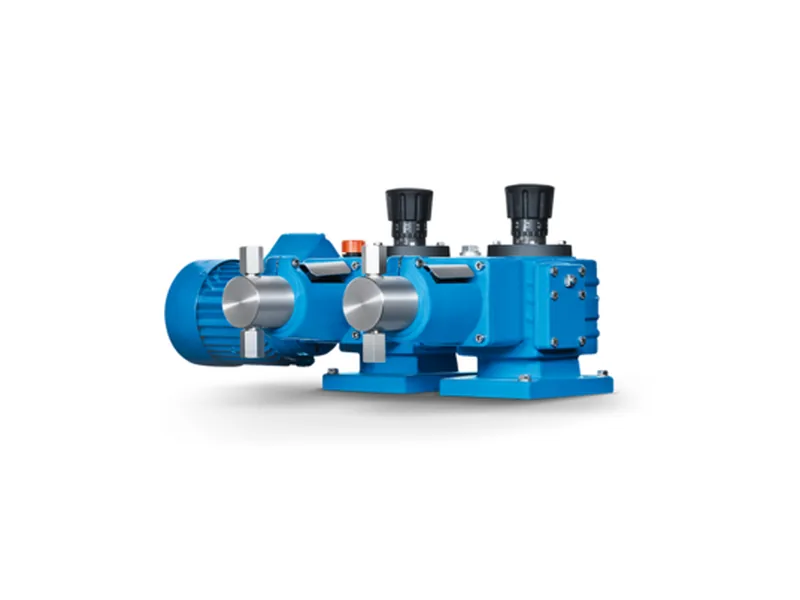
Plunger metering pump noise almost always comes from one of three places: the gearbox (bearings, worm gear, connecting rod and crosshead), the plunger and packing, or the check valves and piping on the liquid end. Find the source first, then read the pressure gauge and feel for vibration. In most plants that takes less than half an hour.
A packed plunger pump is never silent. A steady click on every stroke and the soft seating of the valve balls are normal. What deserves attention is change: louder than last week, an irregular rhythm, metal rubbing or knocking, or a gauge needle that starts to jump.
Record a short video with sound when the pump runs normally. When plunger metering pump noise changes later, you have a baseline to compare against, and your supplier can hear the difference too.
Locate the Source First
Use a mechanic's stethoscope or a long screwdriver held against each part, and listen in this order:
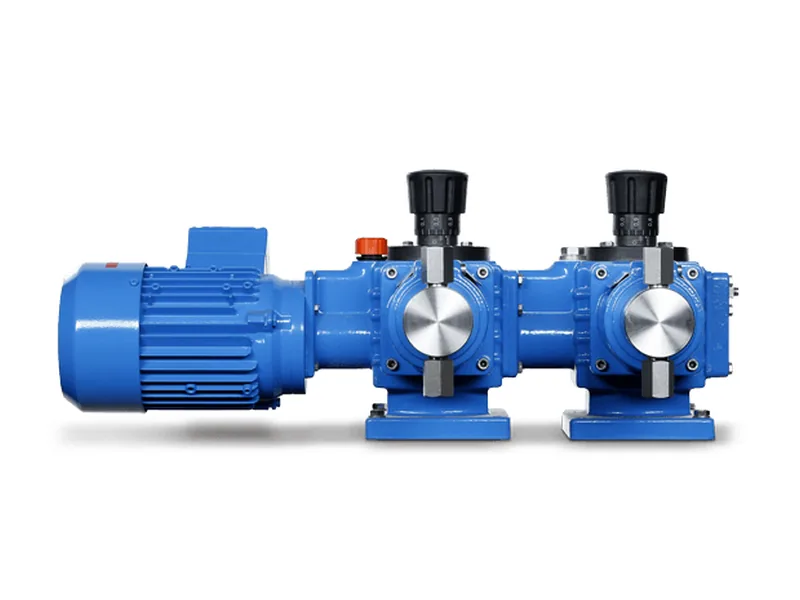
Figure 1: LEWA LEWA ecoflow packed plunger pump cutaway. Image source: LEWA official website
- Motor and coupling.
- Gearbox bearing housings and casing.
- Plunger and stuffing box.
- Suction and discharge valves on the pump head.
- Discharge piping and supports.
The loudest, sharpest point is usually where the plunger metering pump noise starts. Put a hand on the gearbox too. If it is much hotter than normal, check lubrication before anything else.
Gearbox Sources of Plunger Metering Pump Noise
Humming or grinding bearings
A continuous hum or gritty grinding that rises with speed points to worn or dry bearings. Low oil level, or oil that has turned dark and thin, lets bearings and gears run metal on metal. Stop the pump and check level and condition. If plunger metering pump noise drops after an oil change, you caught it in time. If not, plan a bearing replacement.
A knock on every stroke
A rhythmic knock that gets louder as discharge pressure rises usually means play in the connecting rod, crosshead or stroke adjustment mechanism. Do not leave it. Clearances only grow, and a loose crosshead can damage its guide.
Coupling and alignment vibration
If the motor and gearbox input shaft are out of line, or the coupling insert is worn to crumbs, you get a low, cyclic vibration you can feel at the back of the motor. With power isolated, rock the coupling by hand. Slack or debris means the insert needs replacing. Loose baseplate bolts give the same symptom, so retighten them after service.
Worm gear wear
The bronze worm wheel is softer than the steel worm. After long periods of poor lubrication or overload, the tooth faces develop steps and you hear an uneven clacking. Look for bronze-coloured particles when you drain the oil. If they are there, inspect the bearings at the same time.
Plunger and Packing
A scored plunger, packing that is too tight or dry packing produces a high-pitched rubbing sound and a hot stuffing box. Tighten the gland evenly and allow a small controlled leak. Overtightened packing makes plunger metering pump noise worse and wears the plunger quickly. See our guide on plunger metering pump packing repair for the adjustment method.
If the plunger and crosshead are not concentric, the plunger wears on one side and gives a periodic scraping sound. Check alignment before fitting new packing.
Valves and Piping
Crackling from poor suction
A suction line that is too small or too long, a blocked strainer, or a hot, volatile chemical can cause liquid to flash into vapour on the suction stroke. The bubbles collapse on the discharge stroke and the head crackles like gravel. That is cavitation. The gauge shakes and flow drops. Reduce suction lift, increase suction pipe size, clean the strainer, or move to flooded suction.
Valve ball clatter
Balls seating on every stroke make a light, regular tap. Worn balls, chipped seats or parts assembled in the wrong order turn that into a heavy, irregular clatter, and flow becomes unstable. Our valve ball and seat assembly order guide covers the correct stack.
Water hammer in the line
Unsupported discharge pipe, no pulsation damper or too little back pressure makes the pipe jump with every stroke, and it sounds as if the whole pump is noisy. This kind of plunger metering pump noise usually improves a lot once the line is clamped and a damper and back pressure valve are fitted.
Field Checklist
- Watch the gauge. Heavy needle flutter points to suction or piping, the most common source of plunger metering pump noise on site.
- Check gearbox oil level, condition and temperature.
- Inspect gland tightness and the plunger surface.
- Open the valves and check balls, seats and assembly order.
- If all of that is fine, open the gearbox and measure bearing, gear and rod clearances.
If plunger metering pump noise appears on a newly installed pump, start with motor alignment, baseplate fixing and suction line design. For a broader view of sounds across all pump types, read metering pump abnormal noise causes.
Conclusion
Plunger metering pump noise can be traced by listening, touching and reading the gauge across three zones: gearbox, plunger and packing, valves and piping. Lubrication and packing issues can be fixed on site. Rod or bearing play and damaged seats need a planned teardown. Do not run a pump with a growing knock. Compare replacement pumps and parts on our plunger metering pump and LEWA pages, or contact us with a sound recording and your operating data.
FAQ
Is some plunger metering pump noise normal?
Yes. A steady stroke click and soft valve seating are normal. Investigate when sound gets louder, irregular or metallic.
Should I stop the pump when it starts knocking?
If knocking or rubbing keeps getting worse, or the gearbox is clearly hot, stop it. Pipe vibration alone can be fixed with clamps first.
The noise stayed after an oil change. What now?
Bearings or the worm gear are already worn. Lubrication will not bring them back, so plan an inspection and replacement.
How do I tell cavitation from valve clatter?
Cavitation sounds like gravel rolling in the head with a shaking gauge. Valve clatter is more regular, one or two taps per stroke.
Does plunger metering pump noise affect accuracy?
Yes. Cavitation and valve faults change the volume delivered per stroke, so flow drifts and calibration no longer holds.