
Solenoid Dosing Pump Overheating: Normal Heat or a Real Fault?
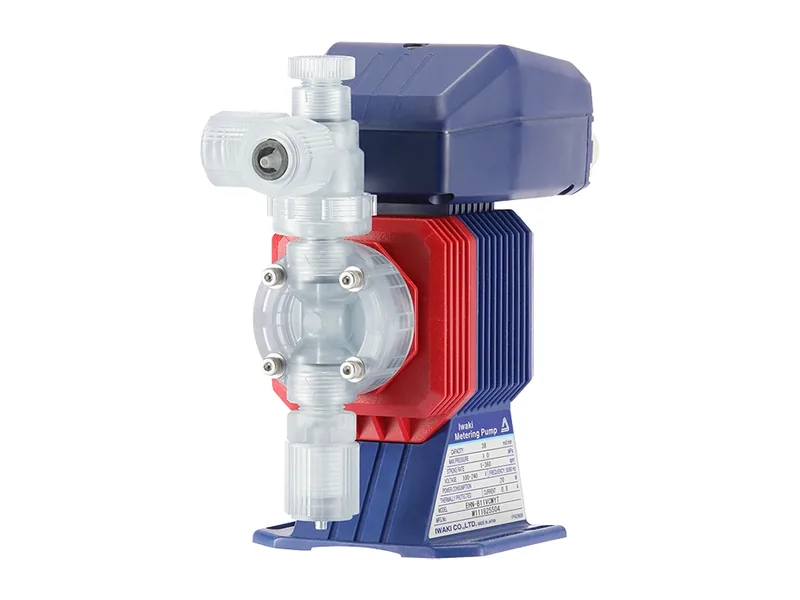
A newly installed solenoid pump has been running for half a day, the housing feels warm, and the customer calls to ask whether it is faulty. On another site the housing is too hot to touch, there is a burning smell, and a few days later the pump stops. Both are described as solenoid dosing pump overheating, but the first is usually normal and the second needs action now.
Why the solenoid gets warm
A solenoid metering pump works like this: the control board energises the coil, the magnetic force pulls the armature, and the armature pushes the diaphragm to discharge. When the coil switches off, a spring pulls the diaphragm back for suction. Every stroke is one on-off cycle of the coil.
The coil is wound copper with real resistance, so current produces heat. Higher stroke rates and higher loads mean more energised time and more heat. Some warmth is built into the design; a completely cold housing on a running pump would be odd.
Normal warmth or solenoid dosing pump overheating?
Check these points:
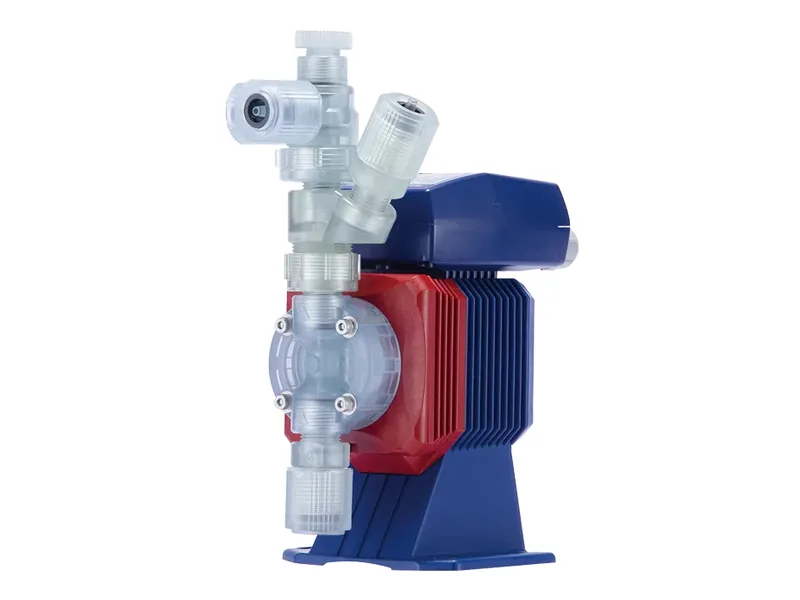
Figure 1: IWAKI EHN solenoid metering pump NAE type. Image source: IWAKI official website
- Temperature: warm to quite hot but you can keep a hand on it briefly is generally normal. Too hot to touch is a warning.
- Change: if the same duty used to run cooler, something has changed.
- Smell: a burnt or plastic smell suggests coil insulation or electronics are being damaged.
- Other signs: weaker strokes, quieter operation, frequent stops or alarms.
Allowed temperature rise and ambient limits differ between brands, so check the manual for your model.
Common causes of solenoid dosing pump overheating
Running at maximum stroke rate all the time
More strokes per minute mean more switching and more heat. Many sites set a very short stroke length and use high frequency to get flow, keeping the coil at high load. Use a longer stroke and a lower frequency instead; this single change cures a lot of solenoid dosing pump overheating.
Back pressure above rating
Higher discharge pressure means the coil must produce more force on each stroke, drawing more current. Near or above rated pressure, solenoid dosing pump overheating becomes obvious and strokes weaken.
Wrong or unstable supply voltage
High voltage raises coil current; low voltage stops the armature pulling fully, which also creates heat. Some pumps, such as the IWAKI EHN series, accept 100–240 VAC, but a badly unstable supply still causes trouble. See solenoid metering pump wiring for supply requirements.
Poor installation environment
Direct sunlight, closed cabinets or clutter around the pump trap heat. Hot, badly ventilated chemical rooms are a common source of solenoid dosing pump overheating.
Switching mains power to start and stop
Some control schemes start and stop the pump by switching its supply. Each power-up stresses the electronics and coil. Keep the pump powered and use the external stop or pulse input instead.
Ageing coil or electronics
After years of service, insulation and components degrade, and the same duty runs hotter, so solenoid dosing pump overheating can appear on an old pump with no process change. This usually develops gradually, which is easy to spot if you log housing temperature.
Troubleshooting steps
- Note stroke length and frequency. Is the pump at maximum rate all day?
- Measure discharge pressure and compare it with the rating.
- Measure supply voltage and check stability.
- Look at the installation: sun, enclosure, ventilation.
- Check whether the pump is started and stopped by switching power.
- Read any alarm codes; for IWAKI pumps see IWAKI pump error codes.
If the pump is still very hot after all this, the coil or control board is probably at fault and needs repair or replacement.
Fixes that work
- Stroke setting: keep stroke length above 50% and adjust flow with frequency, reducing coil load.
- Back pressure: check the back pressure valve setting and piping. If pressure is simply too high, select a different pump.
- Cooling: avoid direct sun, ventilate cabinets or add a fan, and leave space around the pump.
- Supply: fit a stabilised supply where voltage fluctuates.
- Control: start and stop using external signals rather than mains switching.
If the required flow is close to the pump's maximum, upsizing to the next model gives margin and prevents chronic solenoid dosing pump overheating.
When to stop the pump
Stop first and investigate later if you see any of these:
- Burning smell or smoke.
- Deformed or discoloured housing.
- Strokes clearly weakening or stopping, with an alarm.
- RCD tripping.
Left alone, solenoid dosing pump overheating ends with a burnt coil or control board, which is a bigger repair than fixing the cause early. For motor-driven pumps, see diaphragm metering pump overheating.
A simple temperature log
Many sites only notice solenoid dosing pump overheating when the pump fails. A weekly reading with an infrared thermometer, noted alongside stroke settings and discharge pressure, shows a slow upward trend long before damage. A sudden step after a process change points straight to the new condition, such as higher pressure or a moved pump.
Conclusion
Some heat is normal on a solenoid pump. Warm to quite hot, but touchable for a moment, is usually fine. Too hot to touch, a burning smell or weakening strokes indicate real solenoid dosing pump overheating. The usual causes are maximum stroke rate all day, high back pressure, poor supply voltage, bad ventilation and mains switching. Work through them in order, adjust stroke settings, reduce back pressure, improve cooling and change the control method. Most cases are solved without new parts.
For solenoid coils or control boards, contact our service team.
FAQ
How hot is acceptable for a solenoid pump housing?
If you can keep a hand on it briefly, it is generally fine. Check the manual for the exact limit.
Will maximum stroke rate burn out the pump?
Running at full rate against high back pressure for long periods shortens coil life considerably.
Can the pump be installed outdoors?
Yes, with a sun and rain cover. Direct sunlight is a common cause of solenoid dosing pump overheating.
Can a solenoid coil be replaced separately?
On some models yes; on others the whole drive unit is replaced. It depends on brand and model.
Why is switching mains power a bad idea?
Every power-up stresses electronics and coil. Use the external stop or pulse input instead.