
Metering Pump Stuck? Isolate Power First, Then Troubleshoot
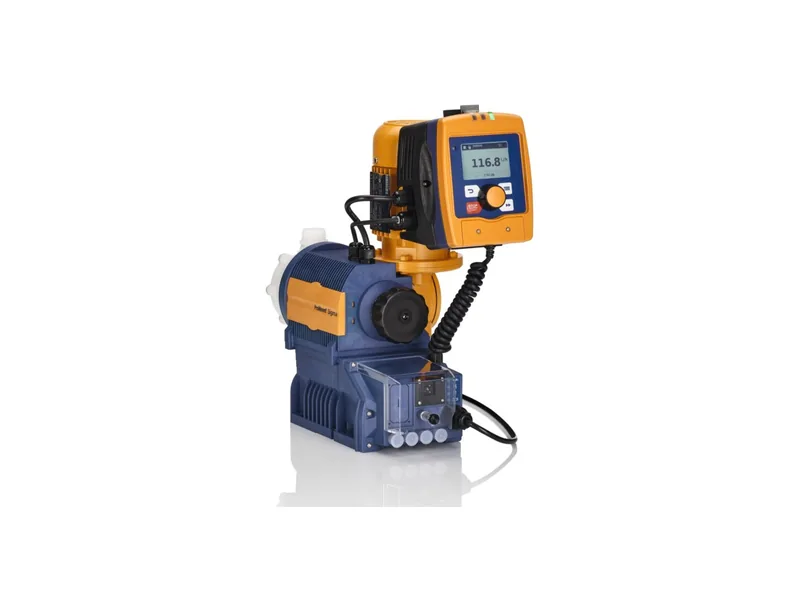
When a metering pump is stuck, the usual reaction on site is to press start again and again, tap the motor, or put a wrench on the shaft. That turns a small problem into a big one: a burnt motor, a ruptured diaphragm, or a burst discharge line. The right order with a pump stuck in place is isolate power, release pressure, then troubleshoot section by section.
This article starts with the three simplest steps, then covers the common causes and how to stop a pump getting stuck in the first place.
Three Simple First Steps for a Pump Stuck in Place
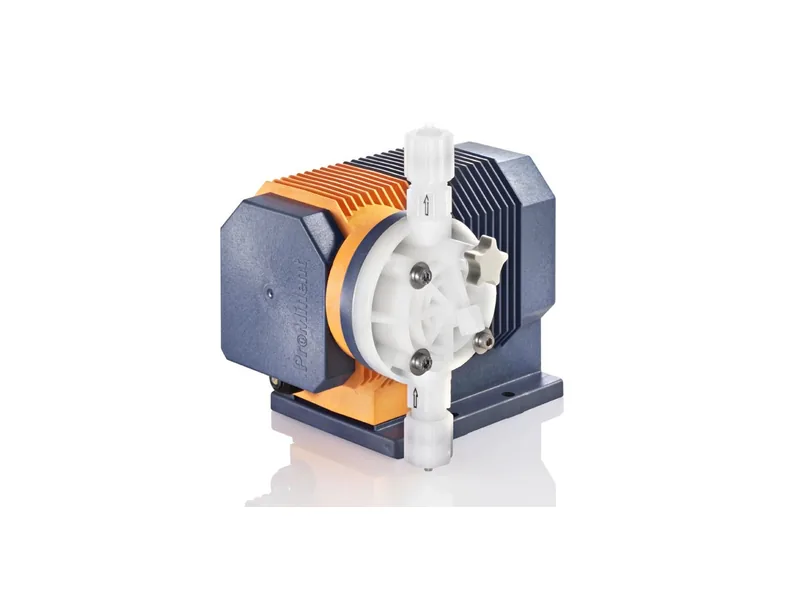
Figure 1: ProMinent 普罗名特 alpha motor-driven metering pump. Image source: ProMinent 普罗名特 official website
- Isolate and tag. Switch off the pump supply and hang a tag on the panel so nobody restarts it while you work. On a solenoid pump, unplug it; pressing stop is not enough.
- Close valves and relieve pressure. Close the suction and discharge isolation valves, then open the relief or bleed valve to release pressure from the head and discharge line. Chemical can spray out under pressure, so wear goggles and gloves.
- Locate the section. With power off and pressure released, try turning the motor fan by hand or moving the stroke adjuster. This tells you whether the drive end or the liquid end is holding the pump.
After these three steps, most stuck pump cases already point in a clear direction.
How a Motor or Solenoid Pump Stuck Behaves
A motor-driven metering pump stuck under load usually hums without turning, or starts and trips the thermal overload within seconds. A stalled motor overheats fast, so cut power as soon as you notice.
A solenoid metering pump has no rotating parts. When stuck, you either hear the magnet click with no stroke at the head, or you hear nothing at all. Silence usually means an electrical fault. Clicking without output usually means the liquid end or stroke mechanism is jammed.
Common Causes of a Metering Pump Stuck
Blocked Discharge
A closed discharge valve, a plugged line, or a scaled injection point means every stroke pushes against a dead end. Pressure rises quickly and the motor stalls on overload. This is the most common reason for a metering pump stuck in service. A relief valve on the discharge line prevents it; see relief valve vs backpressure valve for the difference.
Chemical Crystals
After a long stop, chemical left in the head and valves dries and crystallizes. Valve balls glue to their seats, or the diaphragm sticks to the head. Lime slurry, phosphate, sodium hypochlorite and caustic soda are frequent culprits.
Gearbox Oil and Wear
On mechanical diaphragm and plunger pumps, low or degraded gearbox oil and a worn worm gear raise drive resistance until the pump stuck condition appears. Heat usually shows up first; see metering pump overheating.
Seized Stroke Adjuster
A stroke knob that has not moved for years can corrode or gum up. When it will not turn, people often think the whole pump is stuck. The fix is covered in stroke knob stuck.
Section-by-Section Checks for a Pump Stuck Under Load
With power off and pressure released, disconnect the discharge line at the pump and try turning the drive again. If it now turns, the problem is in the discharge line or the injection point, so check each section for blockage. If it still will not turn, remove the pump head and check whether valve balls are stuck or the diaphragm is bonded to the head. If the drive still will not turn with the head off, the fault is in the gearbox or motor. Check oil level, oil condition and bearings.
On a solenoid pump, power it with the head removed and watch the pushrod. If the pushrod does not stroke, the solenoid drive is at fault and the pump usually needs factory repair.
Clearing a Pump Stuck by Crystals
Do not pry a crystallized head apart. Remove the head and valves and soak them in warm water or a suitable cleaning solution until the crystals dissolve. Acidic deposits usually clear with water. Alkaline deposits can be treated with dilute acid, provided the head material tolerates it. After cleaning, inspect the balls, seats and diaphragm, and replace anything damaged. Parts are listed under ProMinent spare parts.
Checks Before Restarting
Do not restart at full load once the fault is cleared. Confirm that the suction and discharge valves are open, the relief valve has reseated, and the head bolts are tightened to the specified torque. Start at a short stroke and watch motor current, noise and discharge pressure. After ten or fifteen minutes without trouble, return to the normal stroke setting. On motor pumps, feel the gearbox temperature; on solenoid pumps, listen for an even stroke.
If the pump stuck again right after restart, the root cause has not been found. Stop and repeat the section checks. Never keep a pump running by raising the overload setting.
How to Prevent a Pump Stuck Again
- Fit a relief valve on the discharge and test its set pressure regularly
- Flush the head and lines with water before long stops, especially with crystallizing chemicals
- Change gearbox oil on schedule and watch oil level and color
- Move the stroke adjuster through its range periodically
- Use correctly sized overload protection and do not raise the setting to mask a fault
Conclusion
When a metering pump is stuck, do not keep forcing it to start. Isolate power, release pressure and work through the drive end, liquid end and piping in turn. Blocked discharge and chemical crystals cause most cases, followed by gearbox problems and a seized stroke adjuster. A relief valve, flushing before shutdowns and regular oil changes prevent the majority of stuck pump events. For ProMinent motor and solenoid pumps see our diaphragm metering pumps, or contact us if the cause is unclear.
FAQ
Can I turn the shaft with a wrench when the pump is stuck?
Gently, after isolating power and releasing pressure, to find which section is holding it. Never force it.
Will a stuck pump damage the motor?
A long stall can burn the motor. Cut power as soon as you notice.
The overload keeps tripping. Is the setting too low?
Usually not. The pump really is overloaded, so check the discharge side first.
Can I repair a stuck solenoid pump myself?
You can clean the head and valves. Send the solenoid drive back for factory repair.
Why is the pump stuck after a winter shutdown?
The chemical may have crystallized or frozen. Use heat tracing or drain the pump before stopping.